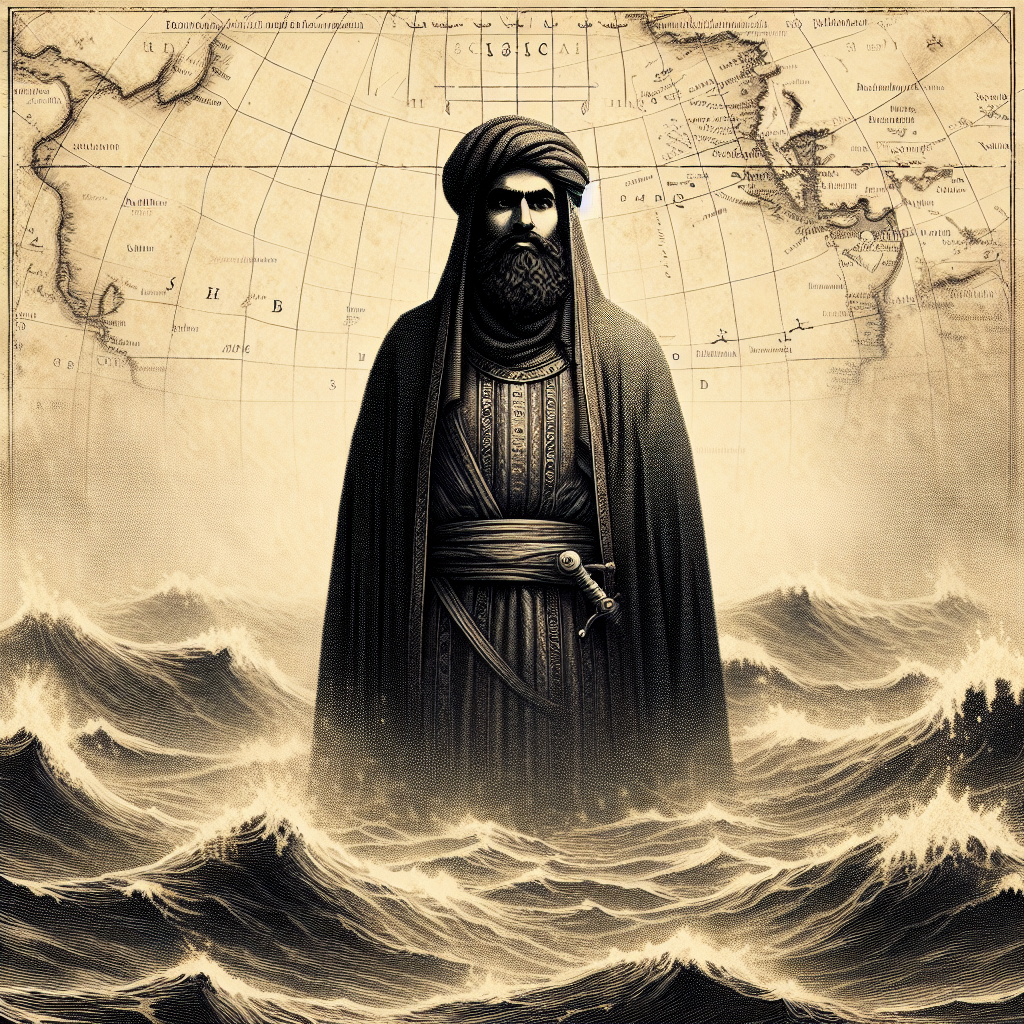

Al-Qa'im: The Caliph Who Stood Against the Tide
In the bustling heart of Baghdad during the 11th century, a time when the Abbasid Caliphate was a shadow of its former glory, Al-Qa'im rose to the caliphate in 1031. He was a man tasked with the impossible: to lead a fragmented empire that was more a collection of squabbling states than a unified force. The once-mighty Abbasid Caliphate was now under the thumb of the Buyid dynasty, a Persian Shia family that held the real power. Al-Qa'im's reign was marked by his struggle to assert Sunni authority and maintain the caliphate's relevance in a rapidly changing world.
Al-Qa'im's tenure was a masterclass in political survival. He was a caliph in name, but the Buyids were the puppet masters pulling the strings. Yet, Al-Qa'im was no mere figurehead. He was a shrewd operator who understood the delicate balance of power. He navigated the treacherous waters of court politics with a deft hand, maintaining the semblance of Abbasid authority while placating the Buyid overlords. His reign was a testament to the art of compromise, a skill that modern politicians could learn from.
Despite the constraints, Al-Qa'im managed to leave his mark. He was a patron of the arts and sciences, fostering a cultural renaissance in Baghdad. Under his watch, the city remained a beacon of learning and innovation, attracting scholars from across the Islamic world. Al-Qa'im understood that knowledge was power, and he wielded it like a sword, cutting through the darkness of ignorance that threatened to engulf his realm.
Al-Qa'im's reign was not without its challenges. The Seljuk Turks, a rising power in the east, were knocking at the gates of Baghdad. These formidable warriors were Sunni Muslims, and their arrival presented both a threat and an opportunity. Al-Qa'im, ever the pragmatist, saw the potential to use the Seljuks to his advantage. By aligning with them, he could counterbalance the influence of the Buyids and restore some measure of Sunni dominance. It was a risky gamble, but one that paid off. The Seljuks eventually overthrew the Buyids, and Al-Qa'im's position was strengthened, albeit temporarily.
Al-Qa'im's legacy is a complex one. He was a caliph who ruled during a time of decline, yet he managed to keep the Abbasid flame alive. His reign was a period of transition, a bridge between the old order and the new. He was a leader who understood the importance of adaptability, a quality that is sorely lacking in today's political landscape. Al-Qa'im's ability to navigate the shifting sands of power is a lesson in resilience and resourcefulness.
In the end, Al-Qa'im's story is one of perseverance. He was a caliph who refused to be a mere footnote in history. He fought to maintain the dignity of the Abbasid Caliphate, even as the world around him crumbled. His reign was a testament to the enduring spirit of leadership, a reminder that even in the darkest of times, there is always a glimmer of hope. Al-Qa'im may not have been the most powerful caliph, but he was undoubtedly one of the most tenacious. His legacy is a reminder that true leadership is not about wielding power, but about navigating the complexities of the world with wisdom and grace.