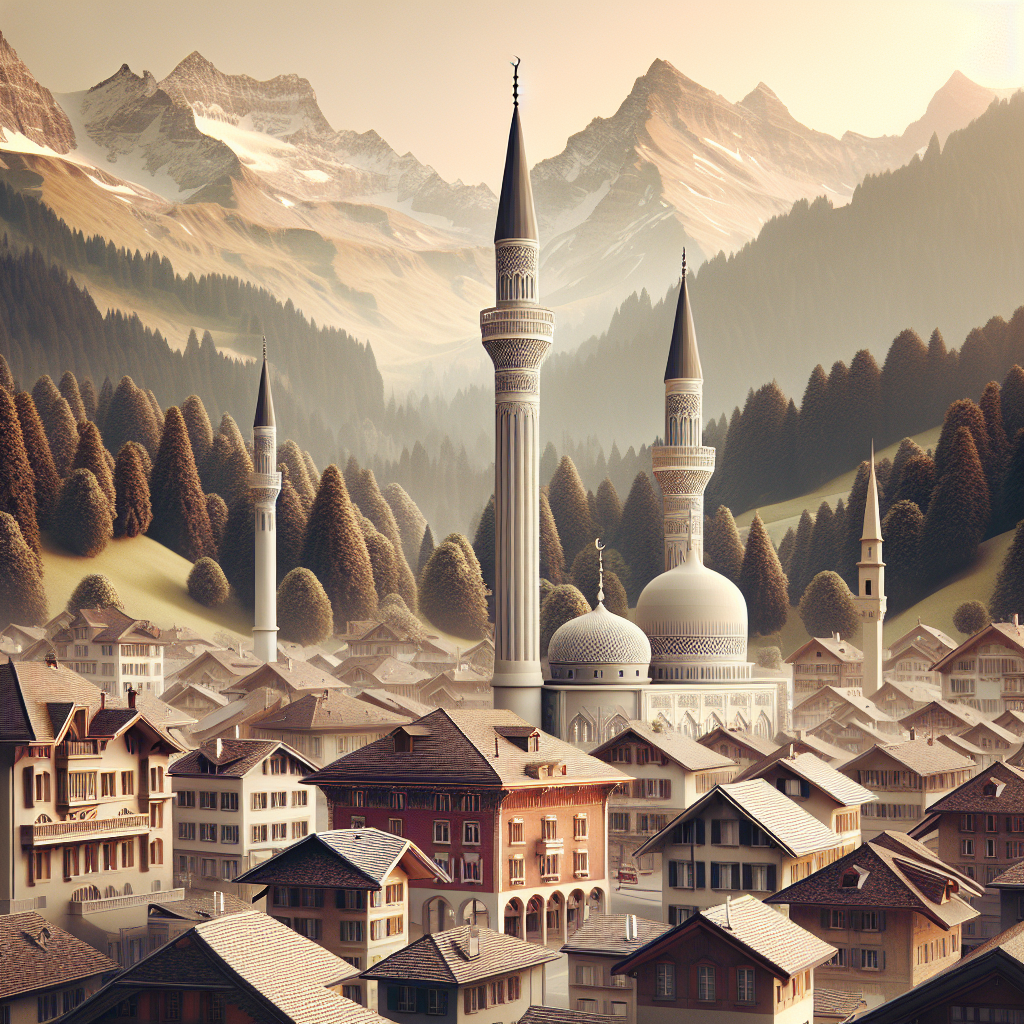

Switzerland's Ahmadiyya Dilemma: A Tale of Tolerance and Tension
Switzerland, the land of chocolate, cheese, and neutrality, is now grappling with a new challenge: the presence of the Ahmadiyya Muslim community. This religious group, founded in the late 19th century in India by Mirza Ghulam Ahmad, has been making waves in the Swiss landscape since their arrival in the 1960s. Known for their motto "Love for All, Hatred for None," the Ahmadiyya community has established itself in various Swiss cities, including Zurich and Geneva. But why is this peaceful group causing such a stir in a country known for its tolerance?
First off, let's talk about the elephant in the room: the Ahmadiyya are not recognized as Muslims by many mainstream Islamic groups. This has led to tensions not just in Switzerland, but globally. In a country that prides itself on religious freedom, the Ahmadiyya find themselves in a peculiar position. They are often caught between their desire to practice their faith openly and the resistance they face from other Muslim communities. This has led to a unique form of religious tension that Switzerland is not accustomed to dealing with.
Now, let's get into the nitty-gritty of why this is such a big deal. Switzerland has a long history of religious coexistence, but the Ahmadiyya issue is testing the limits of this tradition. The Swiss government, known for its bureaucratic efficiency, is now faced with the challenge of balancing religious freedom with social harmony. The Ahmadiyya community, while small, is growing, and their presence is becoming more visible. This has led to debates about what it means to be Muslim in Switzerland and who gets to decide that.
The Ahmadiyya community is also known for its missionary work, which has raised eyebrows among other religious groups. Their active engagement in interfaith dialogues and community service projects is seen by some as a way to gain influence and legitimacy. Critics argue that this is a strategic move to gain acceptance in a society that is still grappling with the idea of multiculturalism. The Ahmadiyya, however, see it as a natural extension of their faith and a way to contribute positively to Swiss society.
Let's not forget the political implications of this situation. Switzerland, with its direct democracy, often puts issues to a public vote. The presence of the Ahmadiyya community could become a hot-button issue in future referendums, especially as immigration and integration continue to be contentious topics. The Swiss People's Party, known for its hardline stance on immigration, could use the Ahmadiyya issue as a rallying point to push for stricter policies. This could lead to a political showdown that would test the very fabric of Swiss democracy.
The media, always hungry for a good story, has also played a role in shaping public perception of the Ahmadiyya. Sensationalist headlines and biased reporting have contributed to a climate of suspicion and misunderstanding. The Ahmadiyya, often portrayed as outsiders, are left to navigate a complex media landscape that is not always favorable to them. This has made it difficult for them to present their side of the story and gain the understanding they seek.
In the midst of all this, the Ahmadiyya community continues to thrive. They have built mosques, established community centers, and even held their annual Jalsa Salana, a gathering that attracts members from all over the world. Their resilience in the face of adversity is commendable, but it also raises questions about the future of religious coexistence in Switzerland. Will the country be able to accommodate this growing community, or will it succumb to the pressures of division and exclusion?
Switzerland's Ahmadiyya dilemma is a microcosm of the broader challenges facing Europe today. As the continent grapples with issues of identity, integration, and religious freedom, the Ahmadiyya community stands as a testament to the complexities of modern multicultural societies. Whether Switzerland can rise to the occasion and uphold its values of tolerance and neutrality remains to be seen. One thing is certain: the Ahmadiyya are here to stay, and their presence will continue to shape the Swiss landscape for years to come.