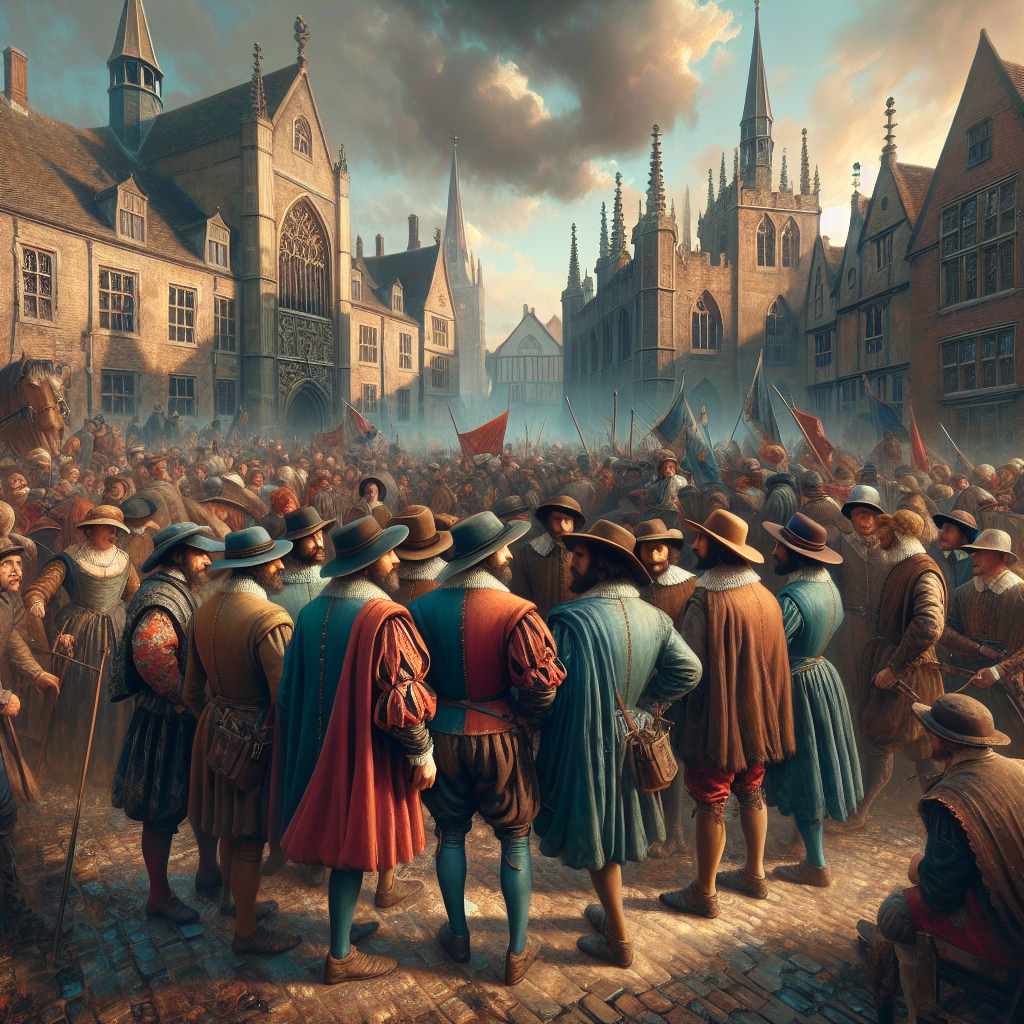

The Act of Uniformity 1551: A Bold Move in Religious Control
Picture this: England in the mid-16th century, a nation teetering on the edge of religious chaos, and then comes the Act of Uniformity 1551, a legislative hammer dropped by the English Parliament under the reign of King Edward VI. This act was a bold move to enforce religious conformity across the land, mandating the use of the Book of Common Prayer in all church services. It was a time when the Protestant Reformation was in full swing, and England was caught in the crossfire of religious upheaval. The Act of Uniformity was a decisive step to solidify Protestantism as the state religion, and it was enforced with the full weight of the law. Failure to comply meant severe penalties, including fines and imprisonment. This was not just a religious decree; it was a political maneuver to unify the nation under a single religious doctrine and suppress any Catholic resistance.
Now, let's talk about why this act was such a big deal. First, it was a clear message that the English crown was not going to tolerate any deviation from the Protestant faith. The Act of Uniformity was a tool to ensure that everyone, from the nobility to the common folk, adhered to the same religious practices. It was about control, plain and simple. The government wanted to eliminate any religious dissent that could threaten the stability of the kingdom. By enforcing a uniform religious practice, the crown aimed to create a sense of national unity and identity. It was a way to consolidate power and prevent any potential uprisings fueled by religious differences.
The Act of Uniformity also had a significant impact on the clergy. Priests and bishops were required to conform to the new religious practices or face dire consequences. This meant that many Catholic clergy members were either forced to convert or were replaced by Protestant counterparts. The act effectively purged the church of any Catholic influence, further entrenching Protestantism in England. It was a ruthless but effective strategy to ensure that the church was aligned with the crown's religious and political agenda.
Of course, this act didn't sit well with everyone. There were those who resisted, clinging to their Catholic beliefs despite the risks. This resistance was met with harsh punishment, as the government was determined to stamp out any opposition. The Act of Uniformity was not just about religious conformity; it was about maintaining control over the populace. It was a way to ensure that the people were loyal to the crown and its Protestant ideals. The act was a clear demonstration of the lengths to which the government would go to maintain its grip on power.
The Act of Uniformity 1551 was a turning point in English history. It marked a definitive shift towards Protestantism and set the stage for future religious conflicts. It was a bold move that reshaped the religious landscape of England and had lasting effects on the nation's identity. The act was a testament to the power of the state to enforce its will on the people, regardless of their personal beliefs. It was a reminder that in the world of politics and religion, power and control often trump individual freedoms.
In the end, the Act of Uniformity 1551 was a clear example of how the government used religion as a tool for political gain. It was a calculated move to ensure that the crown maintained its authority over the church and the people. The act was a bold statement that the government was willing to go to great lengths to enforce its vision of a unified, Protestant England. It was a move that would have far-reaching consequences, shaping the course of English history for generations to come.