
Introduction
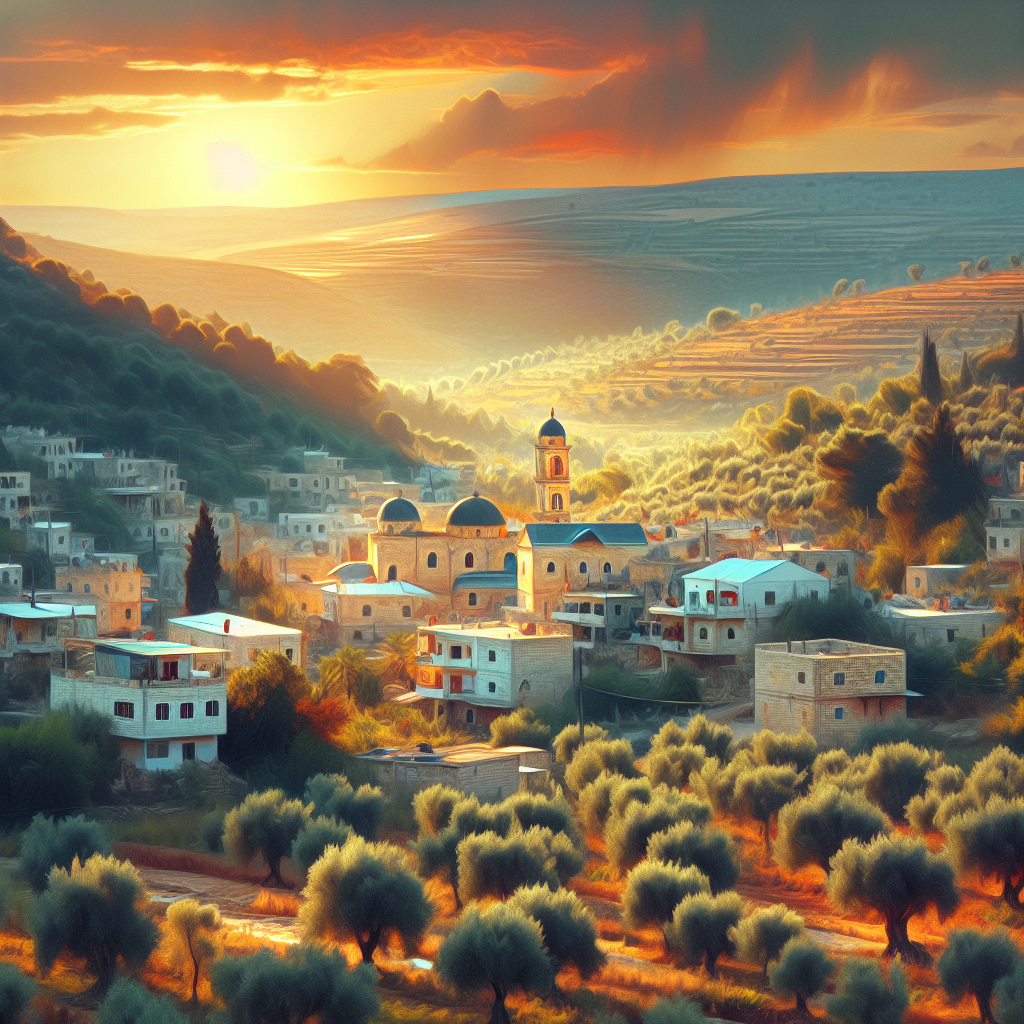
Picture, if you will, a sun-drenched land where the sands hold secrets of generations past, a locale whose story is as intriguing as it is enlightening. Welcome to Yibna, an ancient city nestled in the Mediterranean coastline of modern-day Israel. Sitting at around 24 kilometers south of Tel Aviv, Yibna offers a fascinating glimpse into history. From its earliest settlements around 1800 BCE to its strategic importance through different eras, Yibna is a testament to the resilience and transformative nature of human civilization.
The Genesis of Yibna
The timeline of Yibna begins in the Bronze Age, around 1800 BCE, when it was first settled. This ancient city, known by various names such as Jabneh or Iamnia, has been a keystone in the vibrant tapestry of the Levantine corridor. Its fertile lands and strategic location made it an appealing home to its early inhabitants, setting the stage for a flourishing society.
Archaeological excavations have uncovered a treasure trove of artifacts that speak volumes about the prosperity within this region. Pottery shards, remnants of walls, and even evidence of olive presses are physical footprints of the industrious nature of Yibna’s people. Imagine the bustling marketplaces, the echoing halls of debate, and the thriving cultural blend that defined this ancient hub.
Through Empires and Eras: Major Historical Milestones
Yibna experienced a renaissance of sorts during the Hellenistic period, bearing witness to the far-reaching influence of Eastern and Western cultures. After Alexander the Great's conquests, this city began to harmonize elements of Greek culture, all while maintaining its local traditions—a remarkable example of cultural syncretism.
Under Roman rule, Yibna's significance didn't wane; rather, it was accentuated. As the city evolved into an administrative hub, it played a pivotal role in the wider region's political landscape. One can almost picture the Roman legions marching, flags alight under the Mediterranean sun, as they maintained order and governance in this vibrant city.
In the Byzantine era, Yibna emerged with spiritual gravitas. Churches and religious sites found their place within the city, marking a spiritual chapter in Yibna's illustrious history. It was a time when the city’s religious importance soared, attracting pilgrims and theologians alike.
Yibna in Transition: The Islamic Conquests and Beyond
The 7th century brought with it the tide of Islamic conquests, forever altering the face of Yibna, along with much of the Near East. It transformed into a center of learning and culture, flourishing under various Islamic caliphates. The incorporation of Islamic architectural styles mingled with existing Greek and Roman influences, creating a unique architectural character that can still be glimpsed through detailed records and archaeological studies.
However, as with any historical narrative, Yibna faced its share of challenges when the Crusaders made their forays into the Holy Land in the 11th century. The struggle and eventual assimilation into the Crusader state are etched into its lore, adding yet another layer to its complex history.
Rediscovery and Modern Connections
Today, Yibna, now known by its Hebrew name Yavne, is more than an archaeological site—it is a vibrant modern city. While continued archaeological efforts have allowed us to piece together its rich past, this area embraces progress. This blend of ancient history and local development creates a splendid juxtaposition that defines Yavne today.
This duality of past and present serves a broader purpose, for it underscores a key lesson about human resilience and adaptability. By preserving these archaeologically significant sites within Yavne, we are not just saving relics; we are enabling future generations to learn from humanity's past innovations and challenges.
Yibna: A Message from History
In our exploration of Yibna, we uncover deeper reflections on humanity as a whole. The city's long-standing history exemplifies the power of cultural integration, showcasing how societies can flourish when they embrace diversity, adaptability, and innovation. Yibna's story reminds us of the constant evolution of human society, adapting to changes while drawing from its rich and multifaceted heritage.
So why should you care about Yibna? Because in Yibna's story, we see a mirror reflecting our own potential for growth. Whether deciphering ancient scripts or appreciating the delicate artistry of fossilized pottery, Yibna offers lessons tailored for both curious minds and hopeful hearts. Empires may rise and fall, but the enduring legacy of Yibna remains—a beacon illuminating the depth of human tenacity and creativity.