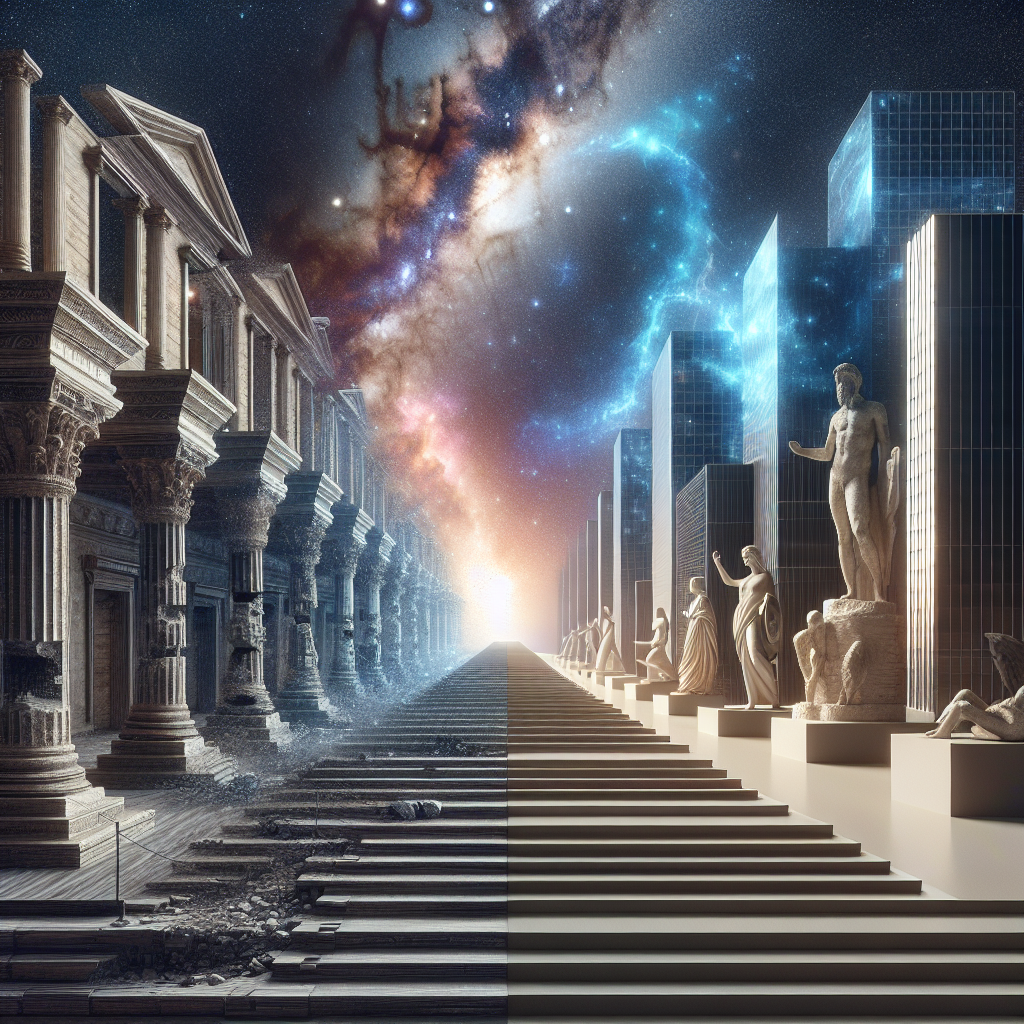

Toward an Architecture: A Visionary Blueprint for Modern Design
In the roaring 1920s, a time of great innovation and change, the Swiss-French architect Le Corbusier penned a groundbreaking manifesto titled "Toward an Architecture" that would forever alter the landscape of modern design. Published in 1923, this influential work was a clarion call for architects to embrace the machine age and rethink the very essence of architectural design. Le Corbusier, whose real name was Charles-Édouard Jeanneret, was a visionary who believed that architecture should be a reflection of the times, incorporating new technologies and materials to create functional, efficient, and aesthetically pleasing spaces.
Le Corbusier's manifesto was not just a book; it was a revolutionary blueprint that challenged traditional architectural norms and proposed a new way of thinking about buildings and urban planning. He argued that architecture should be guided by the principles of functionality, simplicity, and harmony, much like the machines that were transforming society. His ideas were a response to the rapid industrialization and urbanization of the early 20th century, which demanded new approaches to housing and city planning.
One of the key concepts introduced in "Toward an Architecture" was the idea of the "Five Points of a New Architecture," which included the use of pilotis (supporting columns), flat roofs, open floor plans, horizontal windows, and free facades. These principles were designed to maximize space, light, and air, creating healthier and more livable environments. Le Corbusier's vision was not just about aesthetics; it was about improving the quality of life for people living in increasingly crowded urban areas.
The impact of "Toward an Architecture" was profound and far-reaching. It inspired a generation of architects and designers to think differently about the built environment and laid the foundation for the International Style, which became the dominant architectural movement of the mid-20th century. Le Corbusier's ideas continue to influence contemporary architecture, as designers strive to create sustainable and innovative solutions for the challenges of the modern world.
In essence, "Toward an Architecture" was a bold declaration of the potential of architecture to shape society and improve the human experience. It was a call to action for architects to embrace the future and harness the power of technology to create spaces that are not only functional but also beautiful and inspiring. Le Corbusier's visionary work remains a testament to the enduring power of architecture to transform the world around us.