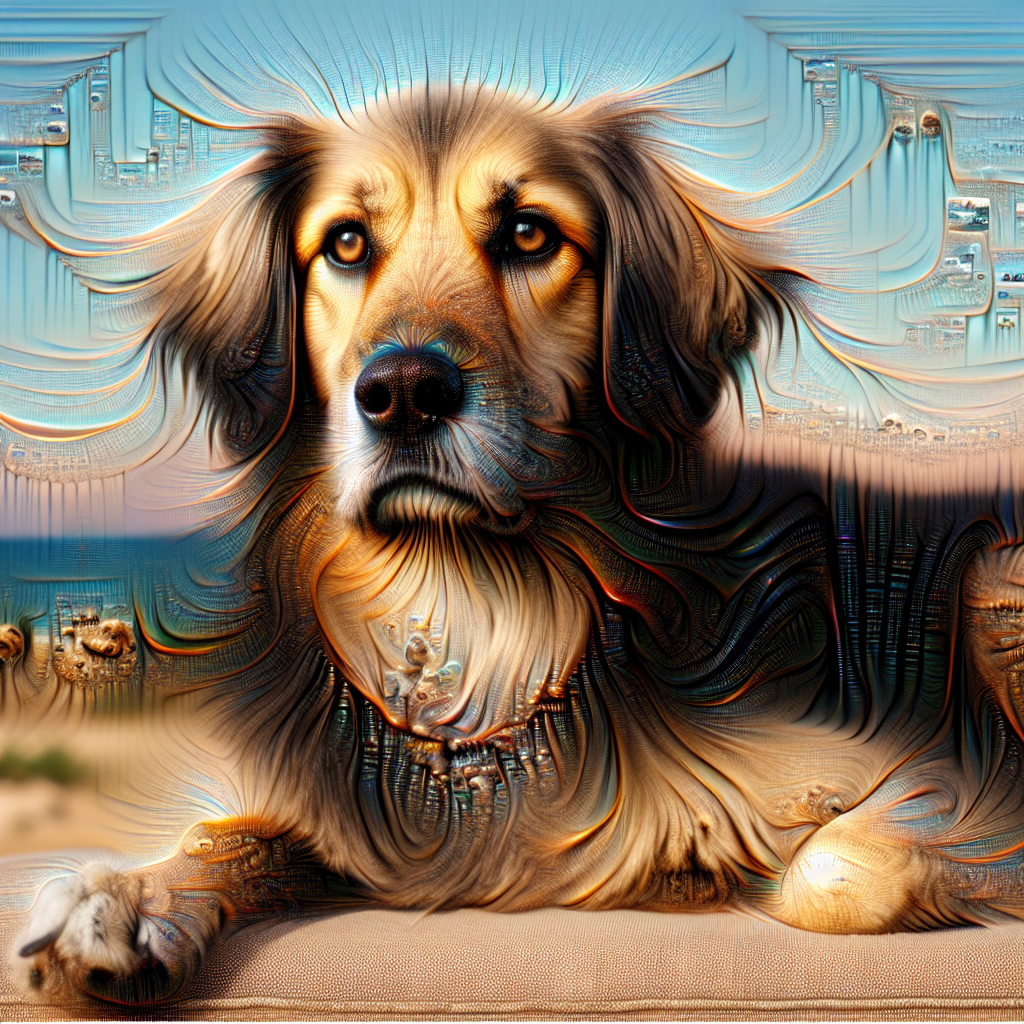

Dogs—a subject near and dear to the hearts of humans everywhere—capture our imagination and loyalty like no other animal. But did you know their story dates back thousands of years? The Tale of the Dog is a fascinating journey beginning approximately 14,000 years ago when wild canines, ancestors of our modern dogs, roamed the Earth alongside humans in various parts of Eurasia. These wild canines, motivated by mutual benefits, sought companionship with our ancestors. Over time, through choices, both natural and artificial, these relationships evolved, giving rise to the myriad breeds we cherish today.
The Beginning of a Beautiful Friendship
The domestication of dogs is a testament to evolution and human ingenuity. It all started with wolves. While most wolves would have been wary of humans, a few were bolder, scavenging at the fringes of human settlements. Their courage paid off—human settlements often had discarded food but also safety from other predators. Gradually, these early dogs learned that humans were allies, offering warmth and sustenance in exchange for vigilance and, eventually, companionship.
The Science Behind Domestication
You might be curious about how wolves became dogs, a question that has intrigued scientists for years. The transformation didn’t happen overnight but was rather a complex process guided by mutual need and selection. Ancient humans likely adopted wolf pups, selected based on behavior traits like tameness and cooperation over generations, influencing genetic shifts that led to the development of the modern dog.
Interestingly, DNA studies have revealed that all modern dogs can trace their lineage back to a single now-extinct Eurasian wolf population, indicating a singular domestication event or one dominant ancestor population. Thanks to comparative genetics, we've established that around 20,000 to 40,000 years ago, the evolutionary split occurred; however, our modern relationship with dogs only flourished about 14,000 years ago.
Dogs Through the Ages
Once dogs became a part of human societies, their roles quickly expanded. Ancient cultures valued them as hunters, herders, guardians, and companions. Egyptian tombs feature carvings of dogs as faithful companions in the afterlife, while in China, emperors often had dogs as integral parts of courtly life. Everywhere they went, dogs adapted to local needs and conditions, evolving over time into the unique breeds we recognize today.
For instance, when humans took to agriculture, some dog breeds specialized in herding livestock. This required select traits like intelligence and agility. Similarly, hunting dogs were bred for their keen sense of smell and stamina, allowing humans to extend their reach beyond primitive tools.
Dog Breeds and Their Roles Today
Fast forward to the present, and the affection that started on the grounds of necessity has blossomed into diverse relationships. Today, there are over 340 dog breeds acknowledged by international canine registries, each serving different purposes and fitting into various lifestyles.
- Companionship: Dogs are ultimate companions, providing emotional support and boosting mental well-being. Certain breeds like the Labrador Retriever are famous for their gentle and friendly nature.
- Work Partners: Think of the German Shepherd, known for its leadership and intelligence. These breeds are commonly seen in roles like policing and search-and-rescue teams.
- Sporting Partners: For the active individuals, breeds such as the Border Collie not only excel in traditional roles but also thrive in competitive sports like agility and obedience, displaying natural athleticism.
The Future of Canine Companionship
Looking ahead, science continues to unlock insights into the history and evolution of dogs. Innovations in genetics and behavioral science may soon allow a greater understanding of specific genetic traits and health predispositions, leading to better care and longevity for our furry companions.
Moreover, as society progresses towards integrating AI and robotic companions, it's thrilling to see how this will influence our longstanding relationships with dogs. While robots may take on certain roles, the genuine warmth and loyalty that dogs provide are irreplaceable.
Ultimately, The Tale of the Dog is an ongoing saga that reflects humanity’s journey alongside our beloved canines. They safeguard our homes, lighten our hearts, and are unwavering friends during life’s storms. Is it any wonder that the largest study of dog-human interactions signals the unchanged nature of this most profound friendship?
For all those curious about the deep-rooted bond between dogs and humans, history and science provide a narrative filled with wonder, symbiosis, and continual learning. Here's to thousands more years of shared paths, discoveries, and affection.