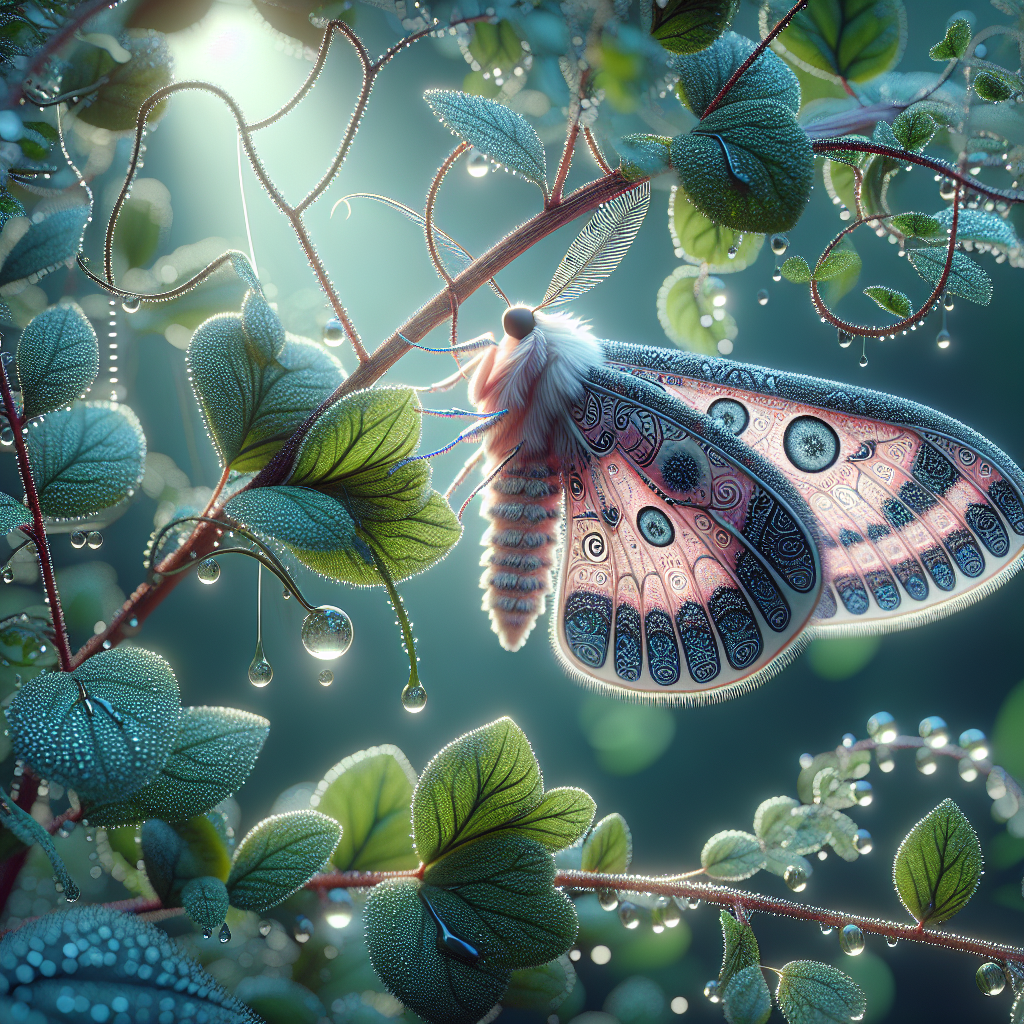

The Tiny Leaf Miner: Stigmella plagicolella
Imagine a creature so small that it spends its entire life inside a leaf, creating intricate tunnels as it goes! Meet Stigmella plagicolella, a fascinating species of moth belonging to the family Nepticulidae. This tiny moth, first described by the entomologist Philipp Christoph Zeller in 1839, is found across Europe and parts of Asia. Its larvae are known for their unique leaf-mining behavior, primarily targeting blackthorn (Prunus spinosa) and other Prunus species. The reason behind this behavior is both a survival strategy and a fascinating example of nature's complexity.
Stigmella plagicolella is a marvel of adaptation. The adult moths are minuscule, with a wingspan of only 4-5 millimeters, making them nearly invisible to the naked eye. They are active from May to September, depending on the climate, and are most commonly found in hedgerows, woodlands, and gardens where their host plants grow. The adult moths lay eggs on the leaves of their host plants, and once hatched, the larvae burrow into the leaf tissue, creating winding mines as they feed. This mining not only provides nourishment but also offers protection from predators and environmental hazards.
The life cycle of Stigmella plagicolella is a testament to the intricate relationships within ecosystems. The larvae's mining can be identified by the distinctive serpentine patterns on the leaves, which can be used by scientists and enthusiasts alike to track the presence and activity of these moths. While the mining can cause some damage to the host plants, it is generally not severe enough to harm the plant's overall health. This balance allows the moths to thrive without devastating their food source, showcasing a delicate ecological equilibrium.
Understanding the behavior and life cycle of Stigmella plagicolella not only enriches our knowledge of biodiversity but also highlights the importance of even the smallest creatures in maintaining ecological balance. These tiny moths, through their leaf-mining activities, play a role in the complex web of life, influencing plant health and providing food for other species. Studying such interactions helps us appreciate the interconnectedness of life on Earth and the myriad ways in which organisms adapt to their environments.