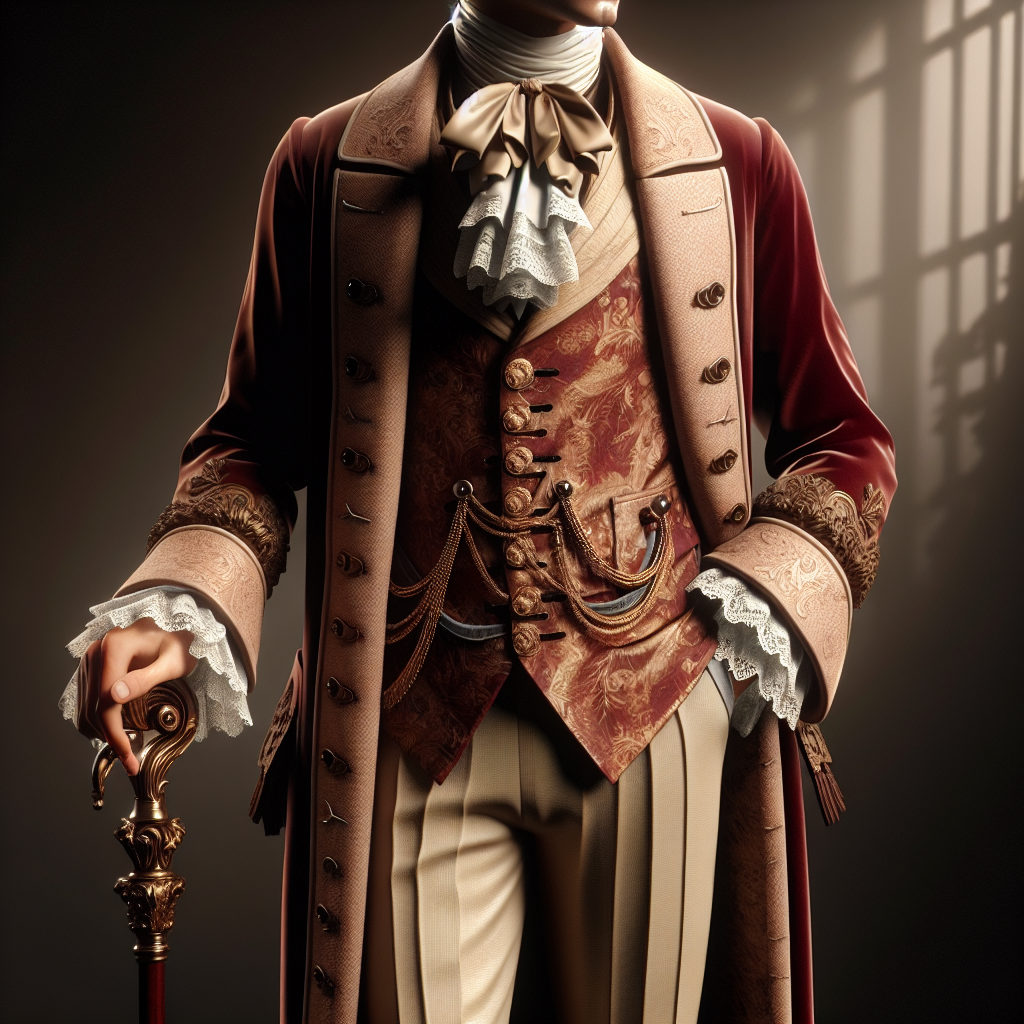

The Remarkable Life of Stephen Fox-Strangways, 1st Earl of Ilchester
Imagine a life where political influence, aristocratic lineage, and a passion for the arts converge in the 18th century! This was the life of Stephen Fox-Strangways, 1st Earl of Ilchester, a prominent British peer and politician. Born on September 12, 1704, in the heart of England, Stephen was the eldest son of Sir Stephen Fox, a notable politician and paymaster of the forces, and his second wife, Christiana Hope. His life spanned a period of significant change and development in Britain, and he played a crucial role in the political and social spheres of his time.
Stephen's journey into the world of politics began when he entered the House of Commons in 1726, representing Shaftesbury. His political career was marked by his Whig affiliations, a party known for its support of constitutional monarchism and opposition to absolute rule. In 1741, he was elevated to the peerage as Baron Ilchester and Stavordale, and later, in 1756, he was created the 1st Earl of Ilchester. His titles were not just ceremonial; they reflected his influence and contributions to the political landscape of Britain.
The Earl of Ilchester was not only a politician but also a patron of the arts and sciences. He was known for his support of various cultural endeavors, which was a testament to his belief in the power of knowledge and creativity. His legacy includes the development of Melbury House, a family estate in Dorset, which became a hub for intellectual and artistic gatherings.
Stephen's life was intertwined with the significant events of his era, including the War of Austrian Succession and the Seven Years' War, which shaped the geopolitical landscape of Europe. His political acumen and dedication to public service were instrumental in navigating these turbulent times.
Stephen Fox-Strangways passed away on September 26, 1776, leaving behind a legacy of political service and cultural patronage. His life is a fascinating example of how individuals can influence and shape the world around them through dedication, vision, and a commitment to the greater good. His contributions continue to be remembered as a part of Britain's rich historical tapestry.