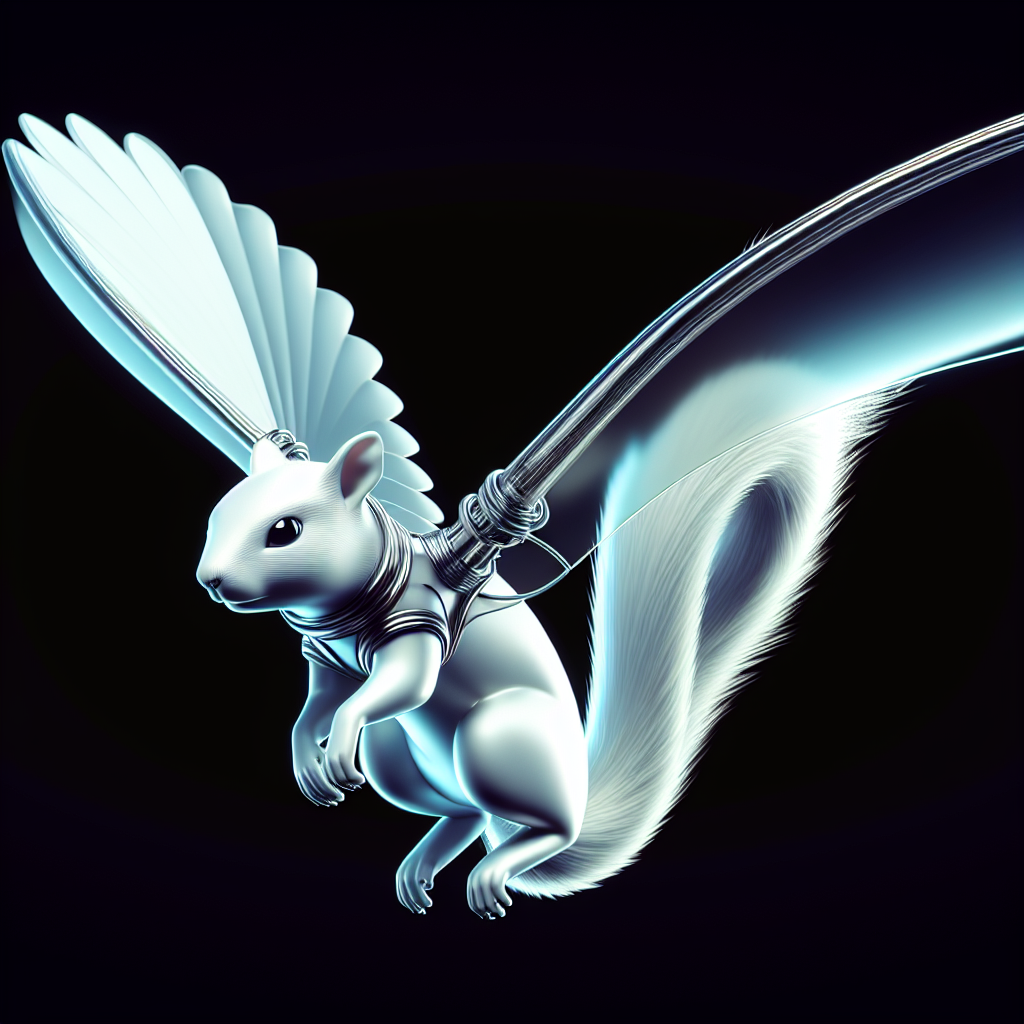

The Squirrel Glider: Nature's Adorable Acrobat
Imagine a creature that can glide through the air with the grace of a ballet dancer and the curiosity of a child—meet the squirrel glider! This fascinating marsupial, scientifically known as Petaurus norfolcensis, is a small, nocturnal mammal native to the eastern regions of Australia, including New South Wales, Victoria, and Queensland. The squirrel glider is a close relative of the more famous sugar glider, and it was first described in the early 19th century. These creatures are known for their ability to glide between trees using a special membrane that stretches from their forelimbs to their hindlimbs, allowing them to cover distances of up to 90 meters in a single leap. But why do they glide, and what makes them so special?
The squirrel glider's gliding ability is not just for show; it serves a crucial purpose in their survival. By gliding, they can efficiently move between trees in search of food, which primarily consists of nectar, pollen, insects, and tree sap. This ability also helps them evade predators, as they can quickly escape to the safety of the treetops. Their large eyes and keen sense of smell aid them in navigating the dark, forested environments they call home. These adaptations make them perfectly suited to their arboreal lifestyle.
Squirrel gliders are social animals, often living in family groups that consist of a breeding pair and their offspring. They communicate using a variety of vocalizations, including soft, high-pitched calls that can be heard during the night. These calls help them maintain contact with their group members and establish their territory. The social structure of squirrel gliders is essential for their survival, as it allows them to share resources and protect each other from threats.
Unfortunately, the squirrel glider faces several challenges in the modern world. Habitat loss due to deforestation and urban development poses a significant threat to their populations. Conservation efforts are underway to protect their natural habitats and ensure their survival for future generations. By understanding and appreciating these remarkable creatures, we can contribute to their conservation and the preservation of the rich biodiversity of our planet.
In summary, the squirrel glider is a remarkable example of nature's ingenuity, showcasing the incredible adaptations that allow it to thrive in its environment. With their unique gliding ability, social behavior, and charming appearance, squirrel gliders capture the imagination and remind us of the wonders of the natural world.