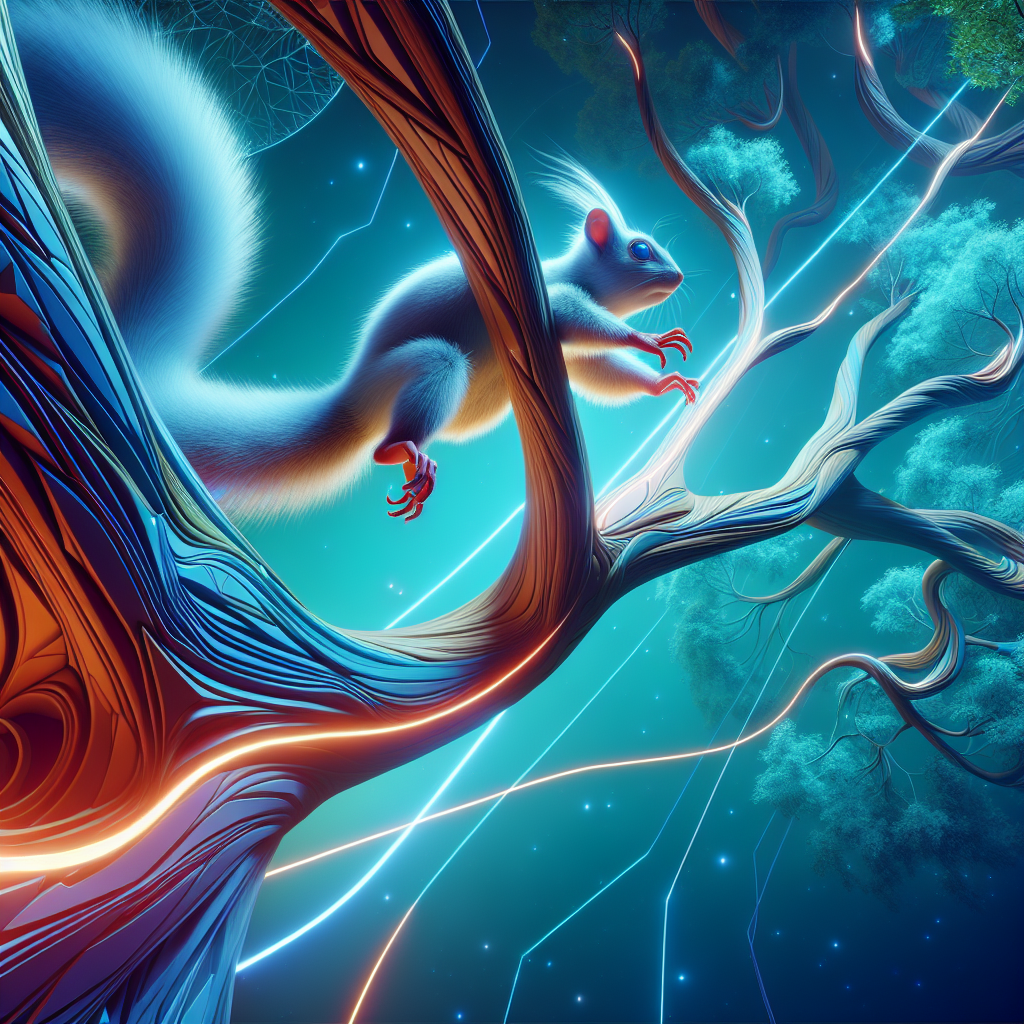

The Enigmatic Squirrel Galago: Nature's Tiny Acrobat
Imagine a creature so agile and elusive that it seems to dance through the trees with the grace of a ballerina and the speed of a sprinter. Meet the squirrel galago, also known as the bush baby, a fascinating primate that captivates scientists and nature enthusiasts alike. The squirrel galago, belonging to the family Galagidae, is a small nocturnal primate found primarily in the forests and savannas of sub-Saharan Africa. These remarkable creatures have been around for millions of years, with their evolutionary roots tracing back to the Eocene epoch, about 40 to 50 million years ago.
The squirrel galago is a master of adaptation, thriving in diverse habitats ranging from dense rainforests to dry woodlands. Their large, expressive eyes are perfectly adapted for night vision, allowing them to navigate the dark with ease. These primates are known for their incredible leaping abilities, capable of jumping several meters in a single bound, thanks to their powerful hind limbs and long tails that provide balance and agility.
Why are these creatures so important, you ask? Well, squirrel galagos play a crucial role in their ecosystems. As insectivores, they help control insect populations, and as frugivores, they aid in seed dispersal, contributing to the health and regeneration of their habitats. Their presence is a testament to the rich biodiversity of the African continent and highlights the intricate web of life that sustains our planet.
Despite their importance, squirrel galagos face numerous threats, including habitat destruction and fragmentation due to human activities such as logging and agriculture. Conservation efforts are essential to ensure the survival of these enchanting creatures and the ecosystems they inhabit. By studying and protecting the squirrel galago, we gain valuable insights into the complexities of evolution, adaptation, and the delicate balance of nature.
In the grand tapestry of life, the squirrel galago is a vibrant thread, weaving together the past, present, and future of our natural world. Their story is a reminder of the wonders that await us in the wild and the responsibility we share in preserving the beauty and diversity of our planet.