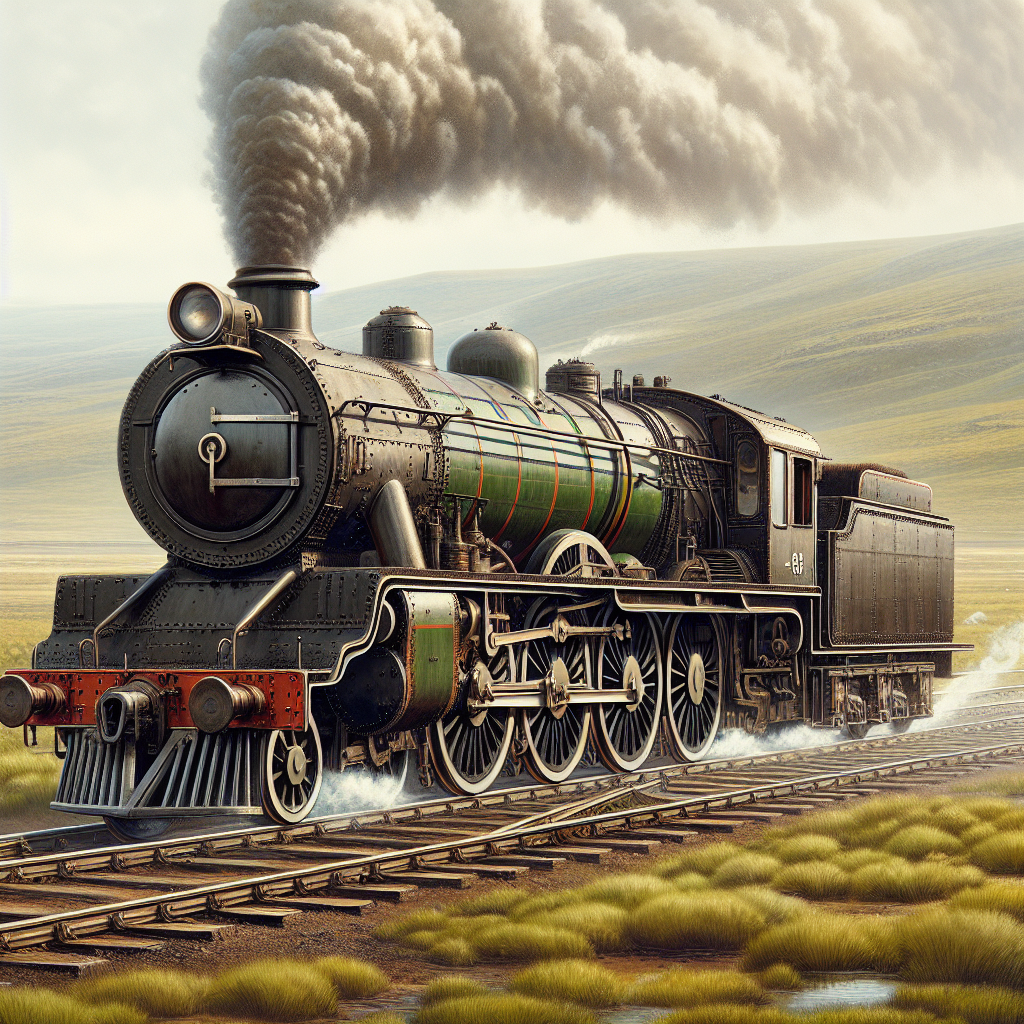

The Magnificent South African Class 4 4-8-2: A Steam Locomotive Marvel

Imagine a giant, puffing beast of metal roaring through the vast landscapes of South Africa, a testament to human ingenuity and the spirit of adventure. This is the captivating story of the South African Class 4 4-8-2 steam locomotive. Built in the early 20th century, this engineering marvel made its mark prominently. It was pivotal in shaping the rail transport narrative across South Africa. The Class 4s were proudly manufactured to serve rugged terrains and withstand long journeys under the management of the South African Railways (SAR) on routes starting from the early 1920s, extending the reach of trade and travel throughout the region.
The Glorious Backstory—Who and What Made It Happen?
The intriguing journey of the Class 4s began with the South African Railways' ambitious goal to improve the efficiency and capability of its existing rail systems. An order was placed with the North British Locomotive Company in Glasgow, Scotland, a reputable entity known for pioneering locomotive design and production. Between 1911 and 1914, 42 units of these bombastic machines were built, with the magic touch of engineering mastermind D.A. Hendrie. Hendrie’s vision was grand—create powerful, reliable locomotives capable of handling increasing loads across challenging tracks.
The Engineering Mindset: Why the 4-8-2 Design?
The configuration of the Class 4 4-8-2 might sound technical, but it's an understandable dance of numbers and function! The 4-8-2 wheel arrangement is also known as the 'Mountain' type, designed especially for natural landscapes that resemble their name. Here's how it breaks down:
- 4 Leading Wheels: These guide and stabilize the locomotive at the front, enabling smoother navigation through curves.
- 8 Driving Wheels: Providing the robust power needed to move heavy loads and emboldening the locomotive’s prowess uphill.
- 2 Trailing Wheels: Support the immense weight of the back end, particularly the firebox.
The choice of this configuration allowed the locomotive to balance both power and versatility, effectively handling the increasing demands of the South African railroad.
When Africa Embraced the Giant: The Time of Great Change
In the early 20th century, South Africa was undergoing significant transformation. Economic expansion was the order of the day, nestled in a world just coming out of the industrial revolution. Rail was the lifeline, threading through the industrial landscape of mining, agriculture, and trade. The introduction of Class 4 locomotives significantly impacted these sectors. Delivering essential goods faster and further, it democratized access to different regions and resources, integrating settlements and accelerating development.
Where They Ruled the Tracks: Traversing Terrains
The Class 4 locomotives soon became a familiar sight on the Cape and Natal systems, playing a vital role in robustly connecting the various provinces within South Africa. The terrain was varied, encompassing expansive flatlands and challenging mountain regions—a perfect backdrop for these resilient machines. Operating primarily on the Cape main lines, they were later also found on other routes, confirming their adaptability and tenacity across diverse conditions.
The Legacy and Human Connection
The tale of the South African Class 4 4-8-2 is not just about nuts and bolts but about a deeper human connection with technology. These iron giants symbolized progress—a bridge between towns, lives, and economies. For the people, these locomotives were more than transport machines; they were markers of stability and growth.
Technological romanticists today might see the Class 4s as relics, yet their essence is vibrant, reflecting a period when steam was king, and railways were the veins of a growing nation. Enthusiasts often restore or preserve these locomotivists as historical pieces, ensuring that their story continues to educate and inspire future generations about innovation and the relentless human spirit.
The Enthusiast’s Domain: Continuing the Marvel
Today, the surviving examples stand proudly in railway museums, celebrated as icons of a significant engineering era. While steam trains have been largely replaced by more modern machines, their charm endures in the hearts of railway enthusiasts and history buffs.
The South African Class 4 4-8-2 locomotives are a fantastic illustration of how human ingenuity can adapt old world technologies to new world necessities. They remind us of the art and science of engineering—a thrilling blend, nurturing progress with creativity and resilience.
In this story of the mighty South African Class 4 4-8-2, we uncover the tremendous human spirit, revealing how technology crafted yesteryears' future and continues to inspire the inventive minds of tomorrow!