
Exploring the Enchanting Hornbeam Woods of Shotesham-Woodton: A Journey Through Nature's Classroom
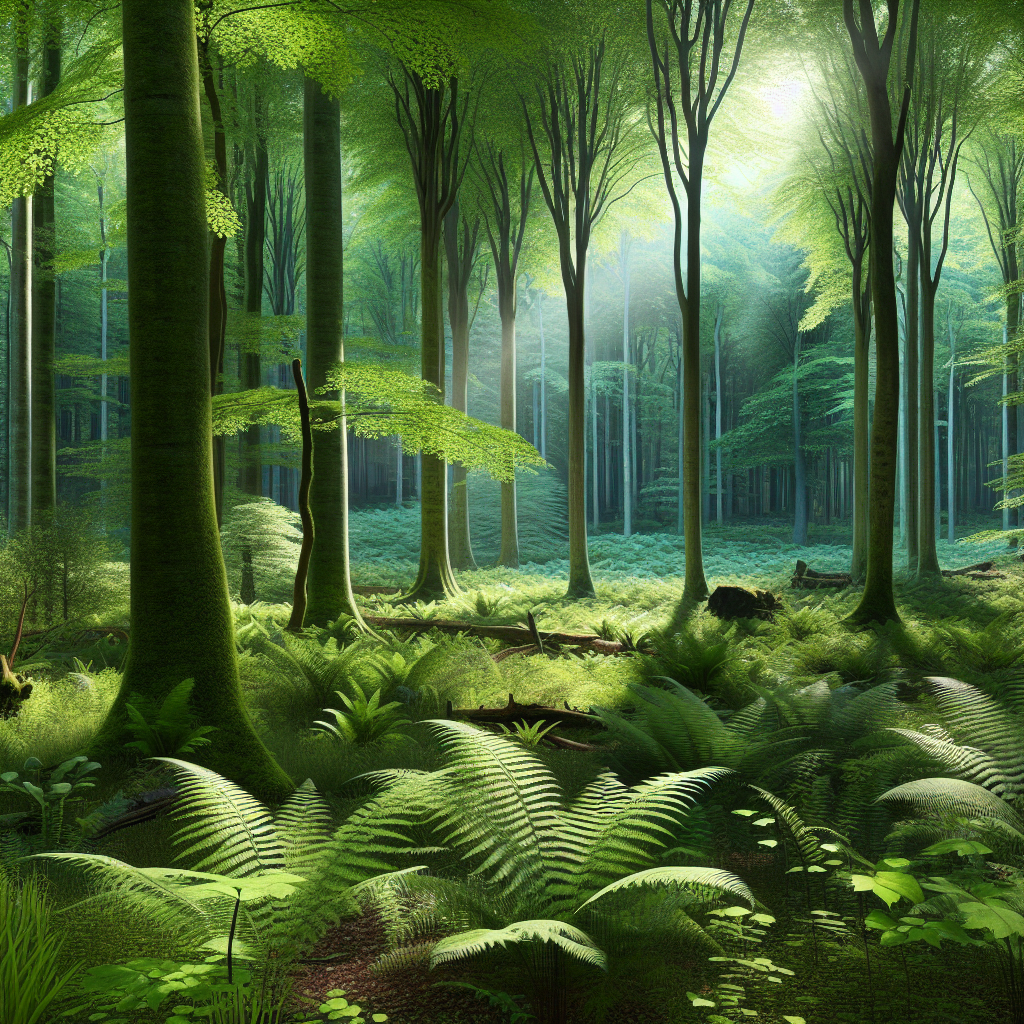
If fairytales had real-world settings, the Shotesham-Woodton Hornbeam Woods would certainly be among them. Located in the beautiful English countryside, these woods are a natural treasure trove just waiting to be explored. This unique woodland area, thrumming with the vibrancy of ecological life, is a haven for botanists, hikers, and nature enthusiasts alike. Established as a Site of Special Scientific Interest, this woodland offers more than just a peaceful retreat—it's a living laboratory where the wonders of botany and ecology unfold, inviting everyone to witness its secrets.
Nature's Marvel: The Hornbeam
Could there be a more fascinating tree than the hornbeam? This deciduous tree, from which Shotesham-Woodton draws its namesake, is an ecological superstar. The hornbeam (Carpinus betulus) is known for its dense, hard wood and distinctive muscular-looking bark, which seems almost sculptural in nature. Hardy and adaptable, it thrives in the clay-rich soils of Norfolk, playing host to a variety of wildlife including rare fungi, birds, and insects that rely on its particular ecosystem.
The presence of hornbeams in Shotesham-Woodton isn't just coincidental. These trees often populate ancient woodlands, hinting at the historical richness of the area. With some specimens standing for more than a century, walking among them feels like stepping through history—an experience complete with the chirping of birds and the rustling of leaves.
A Biodiverse Bonanza
Apart from the hornbeam, the woods host an impressive array of flora and fauna. Observant nature lovers will spot an abundance of wildflowers including bluebells, primroses, and various species of orchids, creating a vibrant tapestry of colors throughout the seasons.
Fauna enthusiasts will find an equally rich spectacle. The woods are home to deer, rabbits, and innumerable bird species. Don't be surprised if a prancing red deer crosses your path or you hear the melody of a nightingale in the evening—a true testament to this area's biodiversity.
Human History Interwoven with Ecology
What's fascinating about Shotesham-Woodton Hornbeam Woods is how its ecological and human histories interplay. Human attempts to cultivate these rich forests date back to times when 'forest management' was not just about conservation but a necessity for survival. Ancient coppicing methods, used to maintain these woods, reveal much about former agricultural practices and societal structures.
Fast forward to today, these practices have evolved into conservation strategies. Modern initiatives aim to preserve this delicate ecosystem while ensuring that local and visiting populations alike can enjoy and learn from what the woods have to offer.
Trail Exploration: Walking Through History and Beauty
For those eager to explore, the walking trails offer both a physically and mentally rewarding endeavor. Whether you're a seasoned hiker or a casual stroller, the pathways promise an engaging journey across 200 hectares of nature’s unspoiled beauty.
These trails are not just about exercise, but about education and wonder. Many parts of the woods are equipped with information boards that narrate insights about the ecology, history, and conservation activities ongoing in the area. As you march forward on the well-trodden paths, each turn could potentially lead to a new discovery or a reflective moment in solitude.
Impactful Conservation Efforts
In today's ever-changing climatic conditions, places like Shotesham-Woodton Hornbeam Woods stand as critical arenas in the battle for biodiversity preservation. Visionary conservation programs are in place to protect and maintain this precious habitat.
Volunteer-driven projects, coupled with the support of environmental organizations, ensure that efforts are sustainable. Managed rewilding, selective tree planting, and habitat restoration are just a few strategies employed to maintain the woods' health. This dedication highlights an optimistic view of how humanity can coexist with nature by fostering an understanding of mutual dependence.
Inspiring Future Generations
Amidst the thrilling sights and enriching sounds of the woods, perhaps the most extraordinary aspect of Shotesham-Woodton is its ability to inspire. It has the power to kindle curiosity in young and old alike—sparking a sense of wonder about the intricate dance of nature around us.
Schools often organize educational trips to Shotesham-Woodton, illustrating the forest's role as a living classroom. Here, students don't just learn about biology from books—they experience it firsthand. This immersive approach nurtures a commitment to environmental stewardship among younger generations, leaving a legacy of care for our planet's future.
Let the mesmerizing hornbeam woods be a reminder of the immense beauty that lies in every leaf, branch, and bird call—a reminder that our quest for knowledge and understanding is as limitless as nature itself.