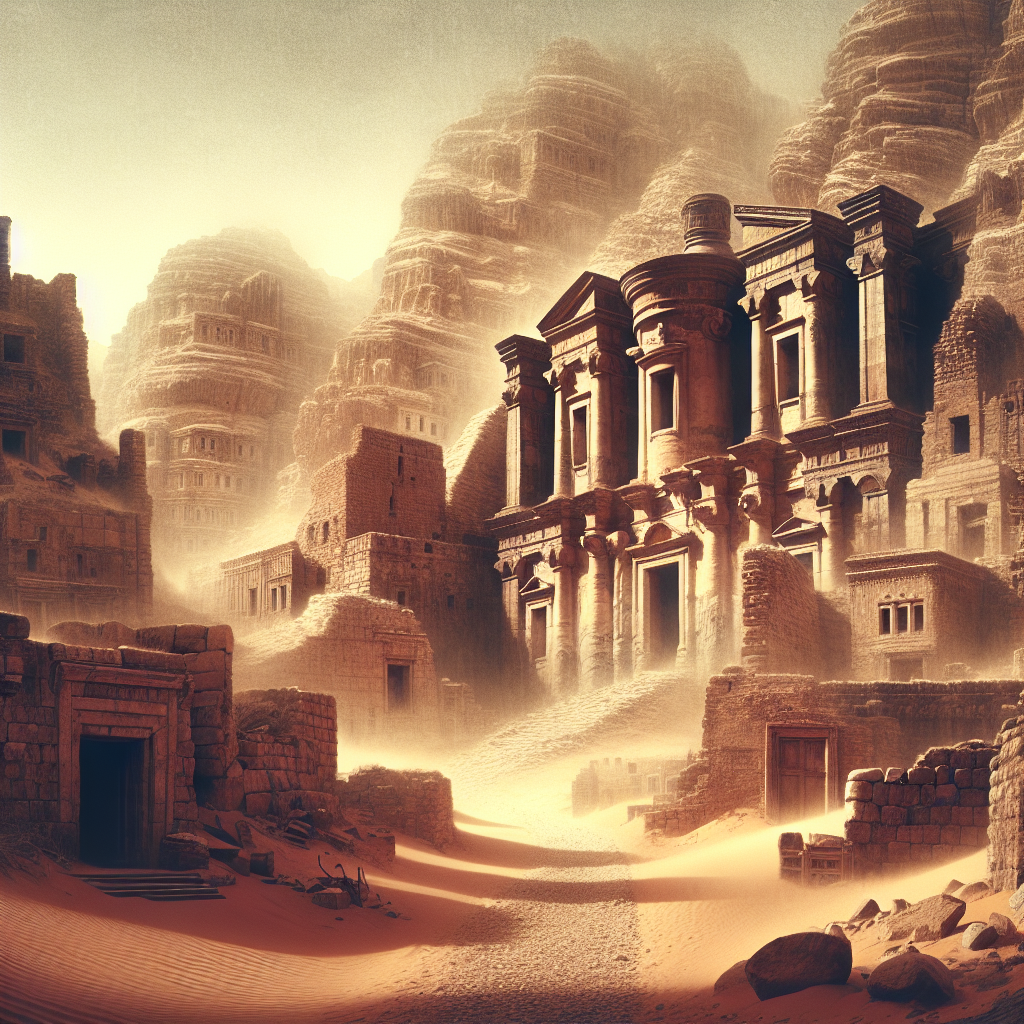

Shiloh: The Ancient Heartbeat of Israel
Imagine a bustling hub of ancient activity, where the echoes of history reverberate through time—welcome to Shiloh, a biblical city that played a pivotal role in the early history of Israel. Shiloh, located in the central highlands of present-day West Bank, was the religious and administrative center of the Israelites from around 1400 BCE to 1050 BCE. It was here that the Ark of the Covenant, a sacred chest containing the Ten Commandments, was housed for centuries, making Shiloh a focal point of worship and pilgrimage. The city is mentioned in the Hebrew Bible as the site where the Israelites gathered to divide the land among the twelve tribes, and it served as a spiritual center until the rise of Jerusalem.
Shiloh's significance is rooted in its role as the first permanent home of the Tabernacle, the portable earthly dwelling place of God among the Israelites. This made Shiloh not just a city, but a symbol of divine presence and guidance. The city is also associated with the prophet Samuel, who was dedicated to the service of God at Shiloh by his mother Hannah, and who later became a key figure in the transition from the period of judges to the establishment of the monarchy in Israel.
Archaeological excavations at Shiloh have unearthed fascinating artifacts, including pottery, altars, and remnants of ancient structures, providing a glimpse into the life and culture of its inhabitants. These findings have helped historians and archaeologists piece together the story of Shiloh, offering insights into its rise and eventual decline. The city was eventually destroyed, likely by the Philistines, around 1050 BCE, marking the end of its prominence.
Today, Shiloh is a site of great historical and religious significance, attracting scholars, archaeologists, and tourists alike. Its ruins stand as a testament to its storied past, inviting us to explore the rich tapestry of history that unfolded within its walls. The story of Shiloh is a reminder of the enduring legacy of ancient civilizations and their impact on the world we know today.