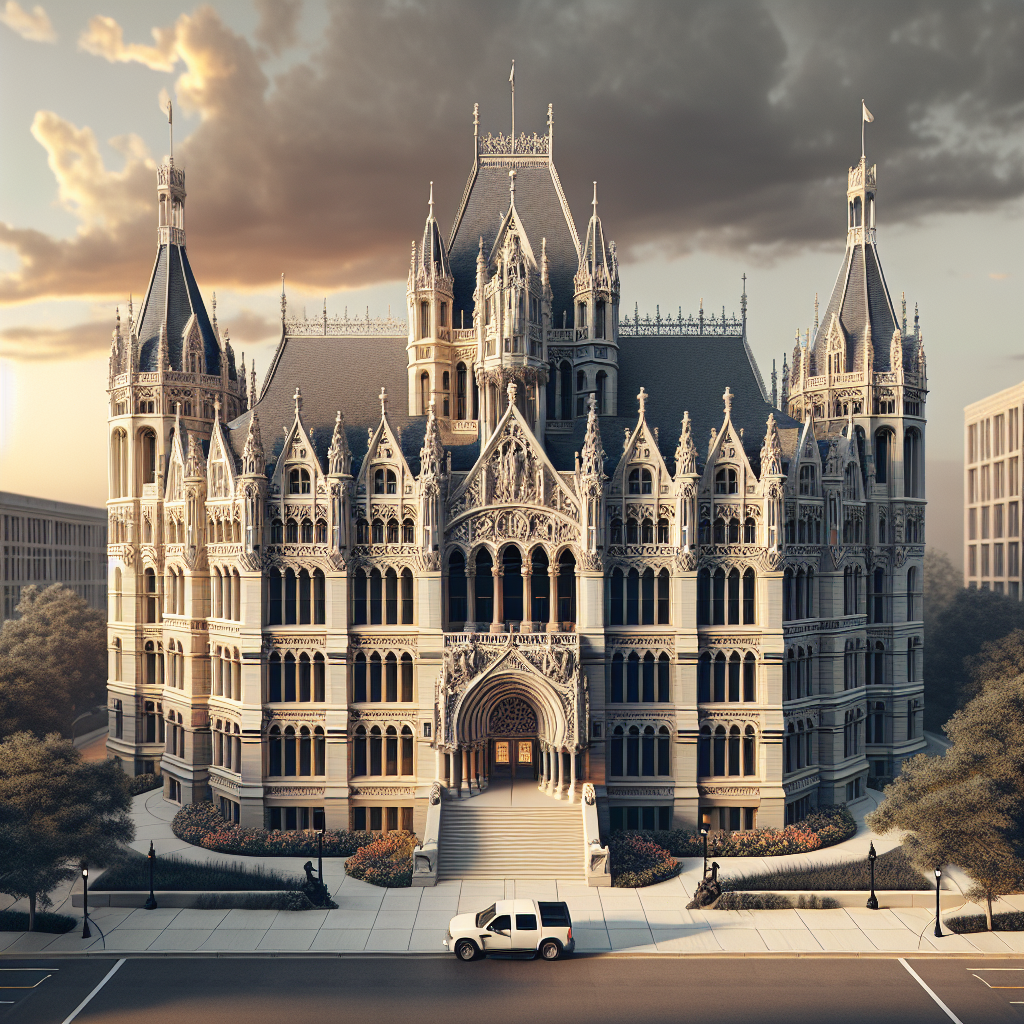

The Architectural Marvel of Sever Hall: A Beacon of Learning
Sever Hall, a stunning architectural masterpiece, stands proudly at Harvard University in Cambridge, Massachusetts, as a testament to the brilliance of its designer, H.H. Richardson. Completed in 1880, this iconic building serves as a hub for academic pursuits, housing classrooms and lecture halls that have inspired countless students and scholars. The hall was named after James Warren Sever, a Harvard alumnus whose family generously funded its construction. Sever Hall's unique design and historical significance make it a fascinating subject for anyone interested in architecture and education.
The building's design is a remarkable example of Richardsonian Romanesque architecture, characterized by its robust, earthy red brickwork and intricate detailing. Richardson, a renowned architect of the 19th century, infused Sever Hall with his signature style, which includes rounded arches, a sense of massiveness, and a harmonious blend of form and function. The hall's exterior is adorned with decorative brick patterns and features a grand entrance that invites students and visitors alike to explore its academic treasures.
Inside, Sever Hall is just as impressive, with spacious lecture rooms and classrooms that have been the setting for countless intellectual discussions and discoveries. The building's layout was carefully planned to maximize natural light and create an inviting atmosphere conducive to learning. Over the years, Sever Hall has been a witness to the evolution of education, adapting to the changing needs of students while maintaining its historical charm.
Sever Hall's significance extends beyond its architectural beauty; it is a symbol of Harvard's commitment to fostering knowledge and innovation. As a part of the university's rich history, the hall has played a crucial role in shaping the minds of future leaders and thinkers. Its enduring presence on campus serves as a reminder of the power of education and the importance of preserving our architectural heritage for generations to come.