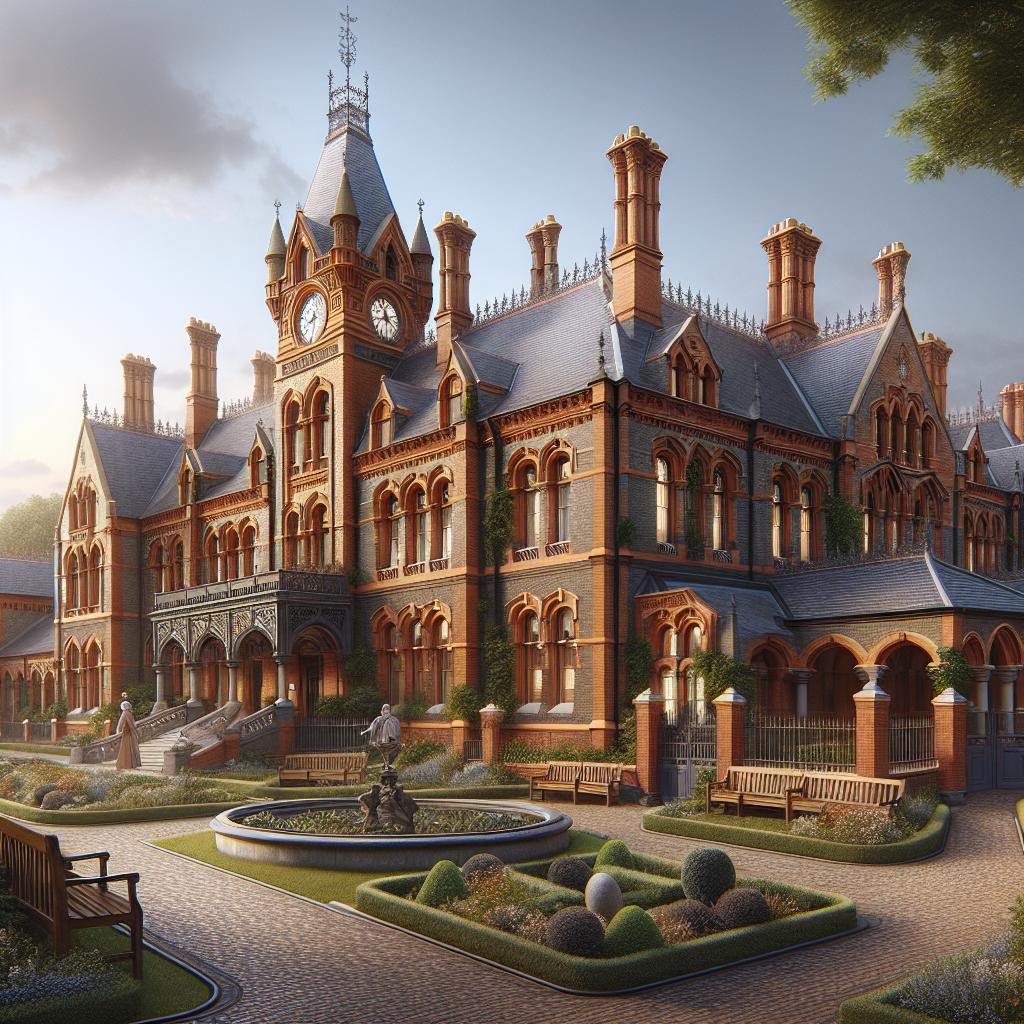

Selly Oak Hospital, an emblem of resilience and innovation, once stood as a beacon of healthcare in Birmingham, England. Established in the late 19th century, this institution flourished into a multifaceted center for medical excellence until its closure in 2011. The hospital played an indispensable role in education, research, and providing care, leaving behind a rich legacy that's worth exploring.
A Historical Tapestry of Healthcare Evolution
Selly Oak Hospital began its journey in 1872 as a humble union workhouse infirmary. Its transformation into a pivotal healthcare institution marks an incredible evolution in the history of medical care. By the 20th century, Selly Oak had expanded both its physical footprint and its capacity for innovation, engaging in cutting-edge medical treatments and research.
Throughout its operational years, Selly Oak was deeply intertwined with the University of Birmingham Medical School, forming an educational symbiosis that benefited both medical students and patients. This partnership fostered a spirit of scientific inquiry that inspired many groundbreaking studies and treatments, establishing Selly Oak as a cornerstone of medical education in the UK.
A Hub of Medical Innovation and Research
Selly Oak Hospital was a crucible of medical advancements, known for pushing the boundaries of what was possible. From pioneering orthopedic treatments to neuroscientific breakthroughs, it housed specialists who were eager to transform healthcare.
The hospital's commitment to research facilitated advances in surgical techniques and the introduction of minimally invasive procedures. Its wards and laboratories became training grounds for future medical luminaries, generating knowledge that rippled through the medical community worldwide.
A Community’s Treasure
More than just its scientific endeavors, Selly Oak Hospital held a special place in the hearts of the Birmingham community. It was where countless families found solace in times of health crises, catching their breath amidst compassionate care. The hospital’s staff, known for their dedication and empathy, were the beating heart of the institution, providing holistic care that extended beyond mere physical ailment.
Every inch of this establishment was filled with stories of healing and hope, from the steadfast nurses working long hours to the tales of courage from recovering patients, each contributing to the tapestry of human resilience and kindness.
The Transition: Modernizing Healthcare
The closure of Selly Oak Hospital in 2011 marked the end of an era, as healthcare systems evolved to meet the demands of modern medicine. Its closure paved the way for the new Queen Elizabeth Hospital Birmingham, a facility combining state-of-the-art technology with streamlined healthcare services.
While the sun set on its historical buildings, the spirit of Selly Oak lives on, fueling the continued pursuit of excellence in medical care and education at its successor. The transition to a more centralized healthcare facility reflects an optimistic leap towards integrating advanced technology and comprehensive patient care.
The Legacy Continues
The legacy of Selly Oak Hospital is one of perpetual learning and human triumph. It embodies a chapter in Birmingham’s history where curiosity met compassion, and the boundaries of medicine were stretched to new horizons. Though its brick and mortar may have paved way for new edifices, the indelible mark it left on healthcare philosophy continues to inspire.
As we look back on Selly Oak, we are reminded of the power of innovation and the relentless quest for knowledge that defines our humanity. This history empowers future generations of healthcare professionals to dream beyond the conventional, striving for a world where medical care is ever advancing and ever compassionate.
Conclusion
Selly Oak Hospital’s story is a testament to the spirit of medical progress and the unfaltering determination to better humanity. It serves as a reminder that while buildings may come and go, the knowledge and hope they foster remain eternal.