
Introduction
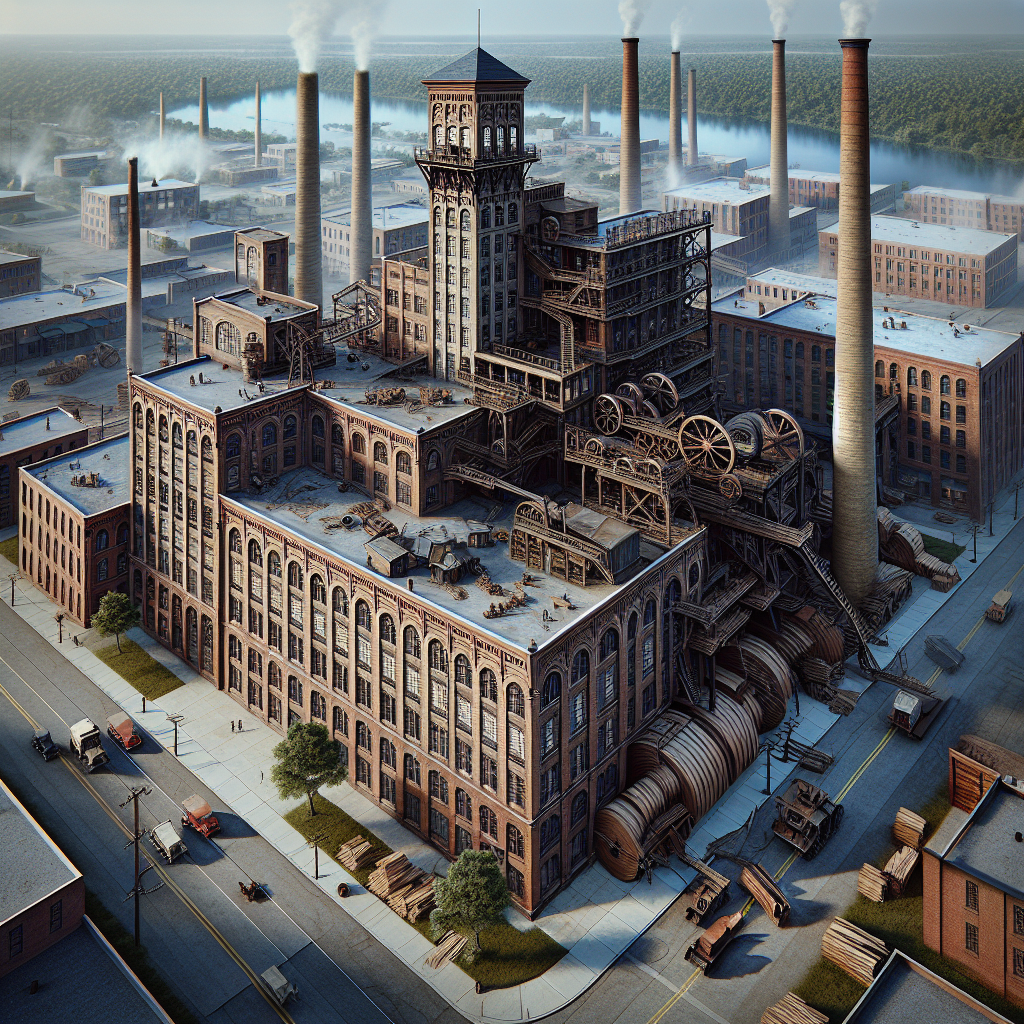
Imagine a humble mill that not only revolutionized an industry but also inspired generations to come; this is the story of the S. D. Warren Paper Mill. Nestled in Westbrook, Maine, this historic site finds its roots in 1854 when Samuel Dennis Warren transformed the landscape of papermaking. Originally, the world whispered of its possibilities, but Warren heard the call distinctly, opting to dive into the practicalities of papermaking innovations that would ripple across time.
The Characters and Contribution
Let’s picture Samuel Dennis Warren—a visionary who saw beyond the paper sheets to the science and craftwork behind them. Warren was an astute businessman with an eye for detail and a heart set on progress. Under his leadership, the mill simply didn’t just produce paper; it became an epicenter of technological breakthroughs.
Warren introduced the first successful use of wood pulp in papermaking in the United States. This was revolutionary because it shifted reliance from rags to wood pulp, providing a sustainable and abundant raw material. Such a shift was not just economic; it was pioneering, effectively altering the fiber of the industry worldwide.
The Science of Papermaking at Warren Mill
Papermaking is an intricate blend of art and science, where fibrous raw materials turn into the indispensable sheets that we scribble thoughts on or print stories upon. At S. D. Warren Paper Mill, science was king. Warren prided himself on technological advancement and implemented the first Fourdrinier machine in the mill, a significant leap in papermaking engineering.
But how does this machine work its magic? The Fourdrinier machine filters a slurry of fibers to create a continuous paperboard. It laid the groundwork for modern-day papermaking through an assembly line of rollers and drying sections. This invention was pivotal at the mill; it could produce large quantities of paper efficiently and consistently, a scientific marvel for its time.
Industrial Impact and Global Influence
By the late 19th century, the S. D. Warren Company became synonymous with high-quality paper, profoundly impacting not just the local scenery but the global stage. The mill didn’t merely churn out paper; it churned out prospects. It was a hub for employment, a cornerstone for the economic sustenance of Westbrook, and a testament to industrial growth.
Globally, the innovations birthed within its walls—such as the first American-made coated papers—became benchmarks. These papers were specially designed for high-quality prints and photographs and opened doors for a burgeoning printing industry worldwide.
Through the Years
What makes a history book worthy if not the stories of evolution and perseverance? The S. D. Warren Paper Mill tells the tale of adaptation through the ages, weathering socio-economic changes, technological advancements, and market demands. The mill underwent several expansions, introducing features such as steam-driven paper machines, improvements in pulping processes, and adopting more environmentally friendly practices as the decades rolled by.
In the 20th century, the mill transformed further under new ownership as a subsidiary of Sappi Limited, a global wood fibre products group. Under Sappi’s wings, the mill continued to pivot towards sustainability and innovation, aligning with global environmental goals.
Optimism in the Mill’s Legacy
So why does the story of S. D. Warren Paper Mill remain pivotal even today? Beyond its thick walls and far beyond the fibers, it represents humanity’s relentless pursuit of betterment, a drive to improve and innovate. It’s a living testament that even industries as traditional as papermaking can disrupt norms and push boundaries.
For us to imagine, explore, and create is a privilege. Let this history inspire continued progress in fields beyond papermaking. What new fusion of art and science will the next centuries create? The spirit of Samuel Dennis Warren and his mill remind us that with optimism and curiosity, anything is possible.