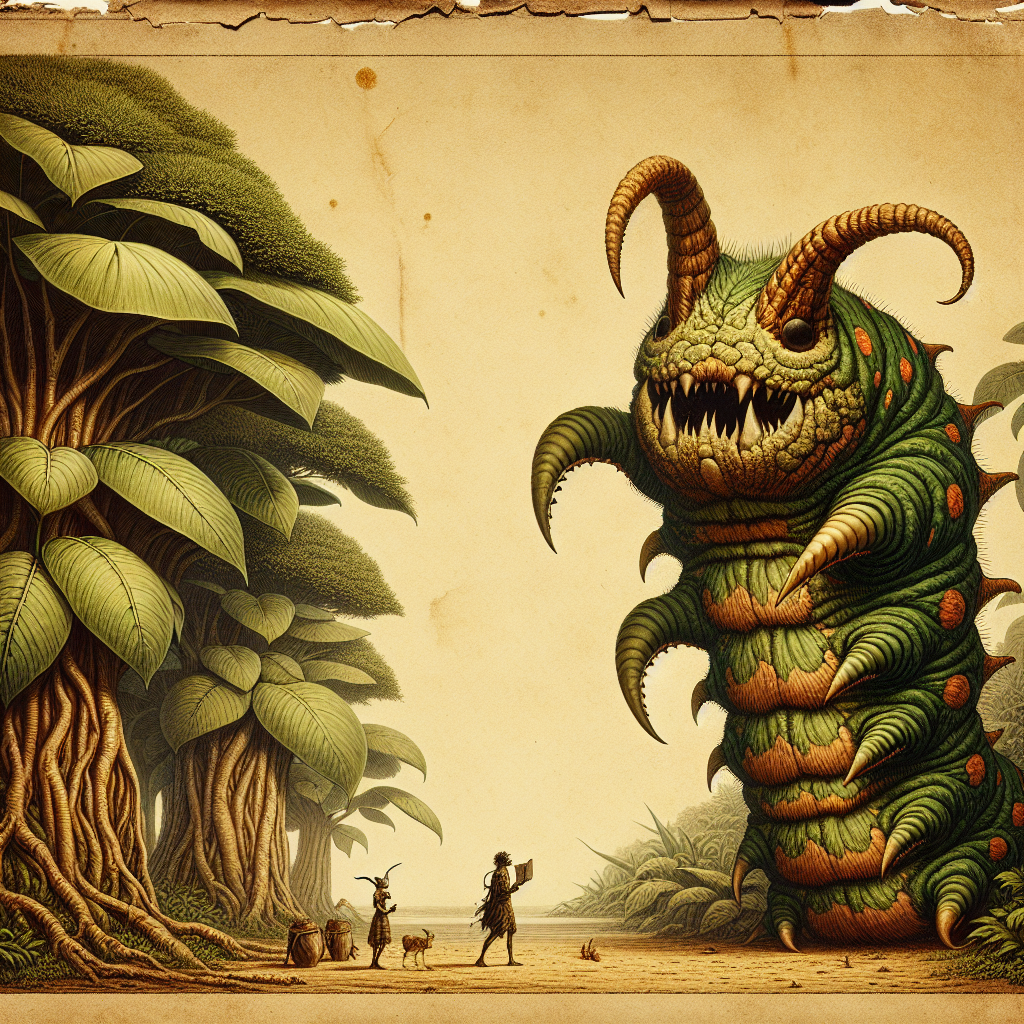

A Journey into the World of Phobetron Hipparchia
Imagine meeting a creature so unique that it seems plucked straight out of a fairy tale: a caterpillar wearing what looks like a fur coat! Welcome to the world of Phobetron hipparchia, an enthralling species of moth native to North America. This fascinating creature, especially its larval form, is what truly enchants those fortunate enough to encounter it. Known commonly as the ‘Monkey Slug,’ this moth and its life stages are scientific wonders as they integrate seemingly whimsical characteristics with intriguing biological purposes. But what exactly is this creature, where does it come from, and why has it evolved to look so peculiar? Let’s embark on an illuminating journey into the heart of nature’s artistry.
Meet the Monkey Slug: The Larval Stage
The Monkey Slug caterpillar is arguably one of the oddest looking larvae you might encounter. Its body bears appendages that look almost like medieval maces—branched and covered with long, hair-like setae. Interestingly, these appendages are not only for show. They play a fascinating role in the caterpillar’s survival strategy. Mimicking dead leaves or debris, these appendages are a form of camouflage and protection against predators. It’s a bit like having a permanent Halloween costume, only this one's purpose is a life or death difference! This intricate disguise is a testament to the incredible adaptability of the Phobetron hipparchia as it navigates the ecosystems of eastern and southern North America, adapting to diverse habitats while remaining relatively nondescript.
The Thrilling Metamorphosis
Our furry friend doesn’t remain a caterpillar forever, of course. The transformation from Monkey Slug to adult moth is a captivating process known as metamorphosis. During this stage, the caterpillar pupates, entering a cocoon-like state where it undergoes profound biological changes. It’s almost miraculous—like nature’s very own version of a superhero origin story—emerging as an entirely different creature. Phobetron hipparchia transforms into a less conspicuous moth, which is relatively plain in appearance compared to its fanciful larval stage.
The Moth’s Evening Rendezvous
In the adult phase, Phobetron hipparchia moths lead a rather mundane life compared to their larval antics. These moths are nocturnal, which means they dance in the moonlight, fluttering about forests during the cover of night. The wings are subtly colored, aiding in blending with the surroundings, another nature’s trick to evade predators. Their adult life, while short, plays a crucial role in the ecosystem, contributing to pollination and serving as a food source for nocturnal predators, keeping the subtle balance of nature in harmonious order.
Why Should We Pay Attention to Phobetron Hipparchia?
You might wonder why attention to a small moth with a strange caterpillar should matter. The answer is elegantly simple: it’s a celebration of life’s diversity and complexity. Each organism, no matter how small or seemingly insignificant, has a place in the environmental jigsaw. Phobetron hipparchia teaches us about evolution’s creativity and adaptability. Through studying such species, we gain insights into ecological dynamics, species interdependencies, and even evolutionary biology.
Furthermore, the Monkey Slug plays a role in highlighting the importance of conservation. Habitat loss due to human activities threatens many species, and moths, like Phobetron hipparchia, are no exception. Protecting our natural habitats ensures the survival of fascinating species just like this, maintaining biodiversity which is vital for a healthy planet.
The Role of Citizen Science
One of the most exciting aspects of the study of such creatures is how ordinary people can contribute to scientific knowledge. Citizen science projects involving amateurs can yield valuable data on species distribution and habits. Observing the Monkey Slug can now even be a thrilling backyard adventure, particularly in the regions where this species is present. There’s undeniable value in observation and documentation, bringing science to the grassroots level and promoting ecological awareness among communities.
Conclusion
The mesmerizing world of Phobetron hipparchia reminds us of nature’s boundless wonder and complexity. Its peculiar lifecycle instills curiosity and excitement among scientists and nature enthusiasts alike. By valuing even the most modest creatures, we celebrate the rich tapestry of life that Earth harbors. As we continue to explore and learn, let us remain optimistic about embracing every opportunity to observe, protect, and understand the remarkable world around us.