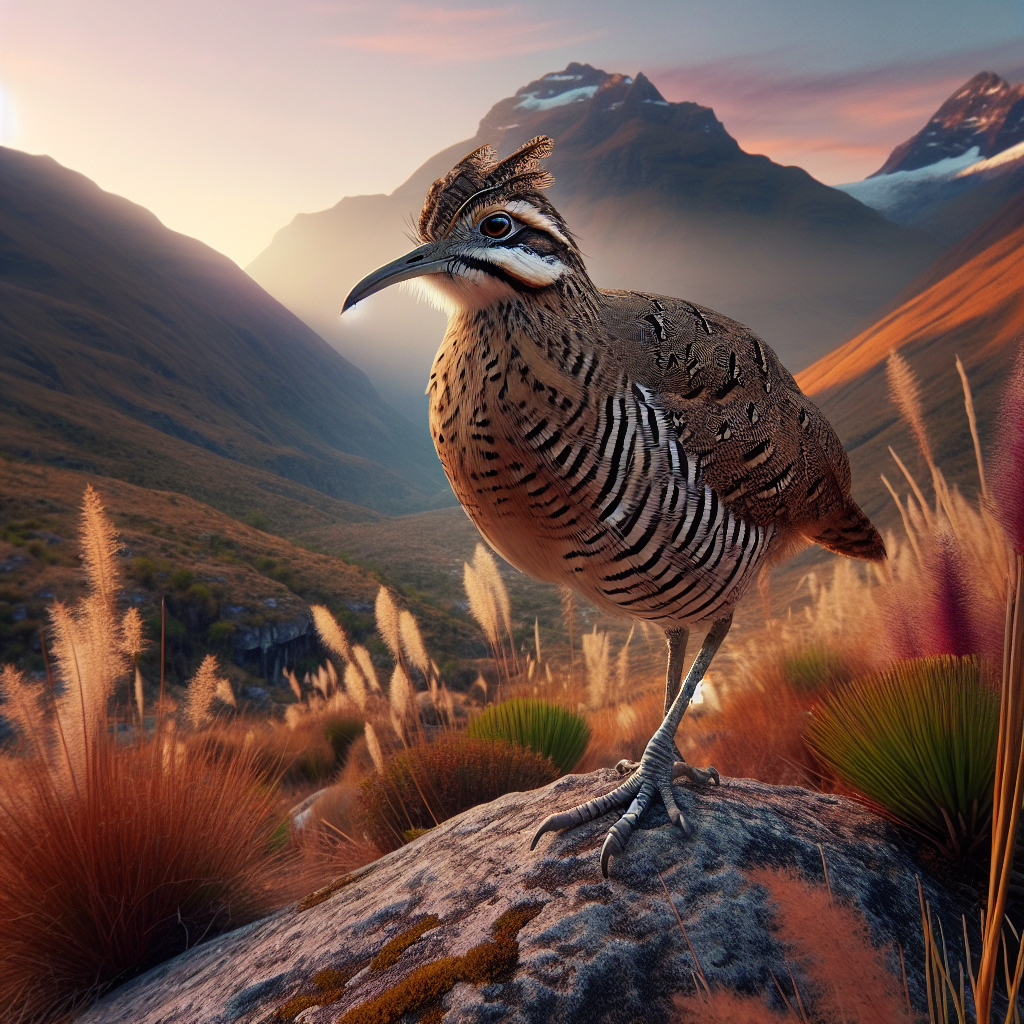

Meet the Peruvian thick-knee, a charismatic bird with an unusual name and a story sure to excite any nature enthusiast. This captivating creature, scientifically known as Burhinus superciliaris, can be found strutting the arid coasts and riverbanks of western South America, particularly in Peru and Ecuador. It's a bird that stays grounded, literally, and it's well-adapted to its dry surroundings, boasting striking yellow eyes and long, expressive legs that aid its survival in these often harsh landscapes. But beyond its physical charm, what can this peculiar bird teach us?
A Close Encounter with the Peruvian Thick-knee
Imagine wandering along a sun-drenched Peruvian riverbank when you catch sight of something peculiar – an elegantly poised bird standing on almost comically long legs. It's the Peruvian thick-knee, renowned for its stark appearance and intriguing behaviors. With intricate brown and white plumage providing perfect camouflage, this bird is a master of blending into its environment.
Its most striking features might be its bulging yellow eyes, which give it an alert appearance, suggesting it's perpetually on guard. These aren't just for show; its vision is exceptionally well-suited for nighttime activity when it hunts for insects and small reptiles. This nocturnal activity is perhaps why this bird often goes unnoticed by casual daytimers.
The Curious Lifestyle
The Peruvian thick-knee is primarily nocturnal, emerging at twilight to feed. Its diet consists mainly of insects and small invertebrates, but it's not above feasting on small mammals and lizards if the opportunity arises. Here, it showcases another unique trait: a sense of adaptability that has allowed it to thrive in its region's varied ecosystems, from thorn scrub to coastal deserts.
During the day, these birds rest in the sparse shade offered by shrubs or rocks, rendering them difficult to spot until they move. They are monogamous creatures, forming lifelong pairs. Breeding typically happens during the dry season, using their cryptic coloration to protect their ground nests from predators.
Dance of the Thick-knee
And if you think thick-knees are just about solemn vigilance, think again! You might find them engaging in an endearing rhythm of playful interactions, especially during courtship. Their display involves a series of gestures and sounds that seem both clumsy and charming. 'Thick-knee tango,' as I'd cheekily call it, is a visual symphony of fluttering wings, lifting feathers, and soft coos filling the air. It’s nature's dance at its most authentic and unpretentious.
Conservation Concerns and Hopes
Despite their exceptional adaptability, these fascinating birds face threats like habitat loss due to human activity. Coastal development, pollution, and agricultural expansion pose significant risks. However, there's reason to be optimistic, as local conservation efforts are underway to protect their natural habitats.
Organizations and local communities understand the importance of this bird and are working towards sustainable developments that accommodate human needs while preserving the thick-knee's home. Educating locals and tourists about this extraordinary species is a critical step in this admirable effort.
A Bird Worth Watching
The Peruvian thick-knee isn't just an emblem of evolutionary ingenuity; it's a reminder of nature’s interconnectedness and resilience. Through its silent, moonlit watch and gentle daytime demeanor, it quietly contributes to the balance of its ecosystem. By thriving where others might struggle, it sends a vital message about the importance of adaptation and coexistence.
When you next find yourself exploring the captivating wildlife of Peru or Ecuador, keep an eye and an open heart for the Peruvian thick-knee. Watching one of these birds in their natural habitat is more than just an observation; it's a chance to witness firsthand a celebration of biodiversity and resilience.
Nature’s Classroom
In every twitch of its long legs and inquisitive gaze, the Peruvian thick-knee has much to teach us. Observing it is a reminder of how diverse the natural world is and how, even in the most desolate places, life finds a way to not just survive, but thrive. This quirky bird embodies the optimism inherent in nature's endless ability to reinvent and reimagine.
So, next time you think of Peru, remember its rich cultural heritage and its intricate tapestry of wildlife. Among them, the Peruvian thick-knee stands out, not just as a marvel of evolution but as a symbol of optimism for a future where humans and nature can thrive together. A true testament to the wonders that can be achieved when we look to the natural world for inspiration and understanding.