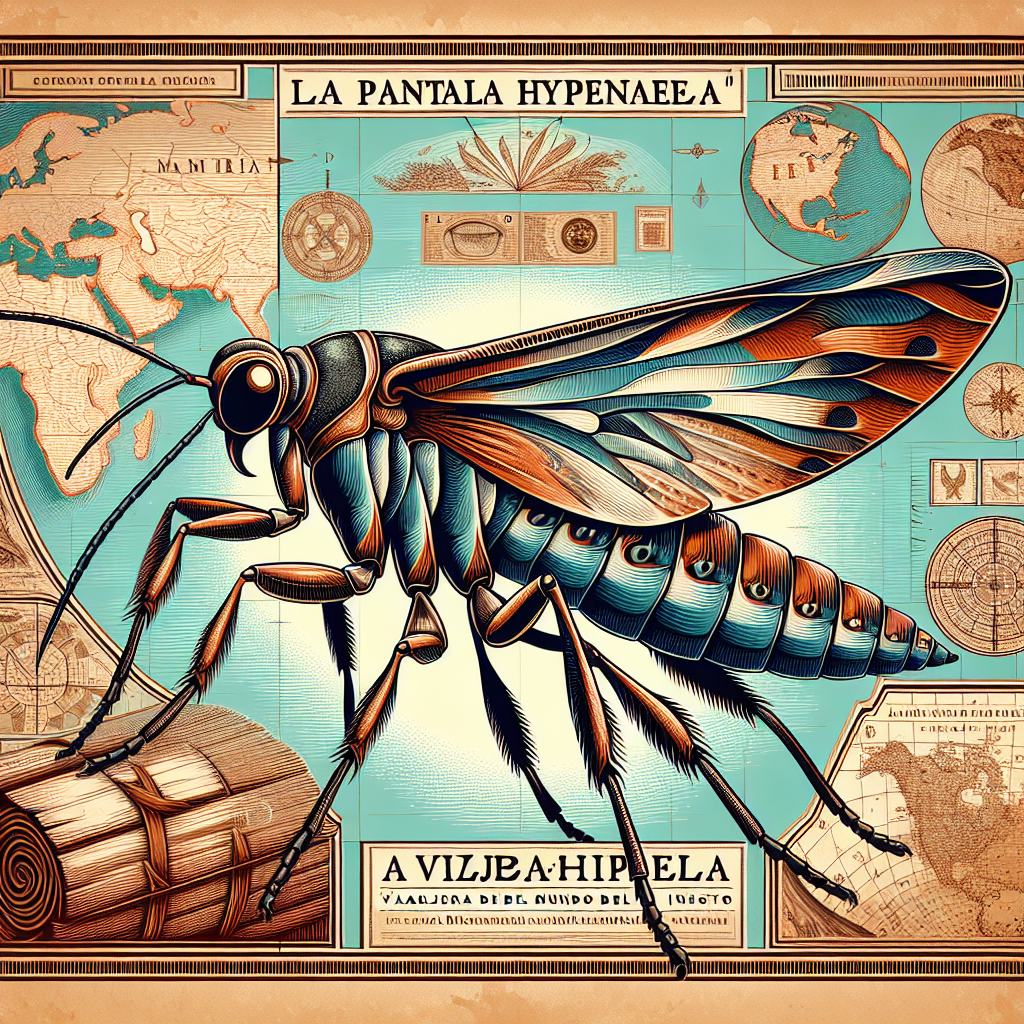

Exploring the Wonders of Pantala hymenaea
Did you know that one of the world’s most impressive long-distance travelers is a dragonfly, not a bird or a butterfly? Meet Pantala hymenaea, an awe-inspiring species that has captivated scientists with its record-breaking migrations across continents. The Pantala hymenaea, also known as the wandering glider or globe skimmer, is a dragonfly that embodies the extraordinary capabilities of nature. Found across the world, from the grasslands of India to the Hawaiian Islands and even the eastern coasts of Africa, this resilient insect exemplifies both adaptability and relentless curiosity.
Who Is Pantala hymenaea?
Pantala hymenaea, commonly referred to as the wanders, belongs to the family Libellulidae. This medium-sized dragonfly is recognized for its robust build and distinctive yellowish-brown coloration, which can glow captivatingly under the sun’s rays. With a wingspan that typically measures around 7.5 cm (or about 3 inches), this dragonfly may appear unassuming at first glance, but its prowess as a long-distance migrant renders it extraordinary.
What Sets the Pantala hymenaea Apart?
Unlike many of its fellow dragonflies that prefer to reside in more localized areas, Pantala hymenaea is a global traveler. This trait helps it stand out markedly in the insect world. What sets them apart is their ability to embark on journeys of up to 11,000 miles (18,000 kilometers), crossing entire oceans on their migratory routes. Scientists have tracked their movements using weather radar, further corroborating their incredible stamina and migratory nature. Such feats make them the insect with one of the longest migration routes in the animal kingdom.
When and Where Do Their Journeys Occur?
These dragonflies undertake their grand travels synchronized with seasons and global weather patterns. They often ride on atmospheric winds and pressure systems to cover such extensive distances. Their migratory behavior is mainly observed during both spring and autumn, where they move in large swarms that glide effortlessly in the sky, often covering thousands of miles to find suitable breeding grounds.
Pantala hymenaea’s habitat is astonishingly broad, as it does not settle for one specific area. It’s found in tropical, subtropical, and even temperate regions across all the continents except Antarctica — a testament to its phenomenal adaptation skills.
Why Study Pantala hymenaea?
Understanding the life of Pantala hymenaea offers remarkable insights into migration biology, environmental adaptability, and biodiversity. Research into their migratory patterns can also shed light on climate change impacts, as these insects can serve as bioindicators for shifts in ecological dynamics. By studying these dragonflies, scientists also better understand migratory species' resilience and survival strategies, which can have broader implications for conserving various migratory animals and managing their habitats.
The Science Behind Their Flight
The secret to Pantala hymenaea’s exceptional flying ability lies in its wings and lightweight structure. The dragonfly possesses two pairs of broad wings that allow it to soar effortlessly across vast distances. These wings are constructed for both strength and flexibility, enabling the creature to catch and ride thermal currents — streams of warm air rising from the Earth — which effectively minimize the energy expenditure required for long flights.
Moreover, Pantala hymenaea is equipped with an elongated abdomen that stabilizes its flight, much like the tail on an airplane. This aerodynamic feature allows the dragonfly to perform intricate maneuvers and sustain long flights over vast stretches of open water.
Ecological Impact and Evolutionary Significance
As a species that spans such a vast geographical range, Pantala hymenaea plays an important role in its ecosystem. They are effective pest controllers, preying on mosquitoes and other small insects. This ecological service is particularly valuable in tropical regions where mosquito-borne diseases may be prevalent.
Their wide distribution also highlights their genetic resilience and evolutionary adaptability. These dragonflies are capable of interbreeding across different continents, contributing to a diverse and robust gene pool that has equipped them to navigate and thrive in various environmental conditions.
What We Can Learn From Pantala hymenaea
Studying the remarkable journey of Pantala hymenaea not only enlightens us about a singularly fascinating insect but also encourages a deeper appreciation for the intricacies and interconnections present within our natural world. As we continue to explore and understand their migratory pathways, these dragonflies remind us of the vast, often hidden, narratives occurring within nature that enrich our planet's tapestry.
In an era where exploring the exhilarating possibilities of sustainability and connectivity are of paramount importance, Pantala hymenaea offers a beacon of the wondrous resilience and innovation that nature consistently exemplifies. These are exciting times as we continue to unlock the secrets of our natural world, one incredible species at a time.