
The Enigmatic World of Panellus pusillus: A Closer Look
In the majestic orchestra of nature, Panellus pusillus, a tiny, often overlooked mushroom, plays the charming role of a hidden gem. This diminutive fungus belongs to the family of Mycenaceae, and though it might not headline the botanical press, its existence is both fascinating and crucial within our ecosystems. Found traditionally in the moist, wooded environments of North America and Europe, Panellus pusillus makes its home on decaying logs, subtly contributing to the grand cycle of life by recycling nutrients and sustaining biodiversity.
Who Is Panellus pusillus?
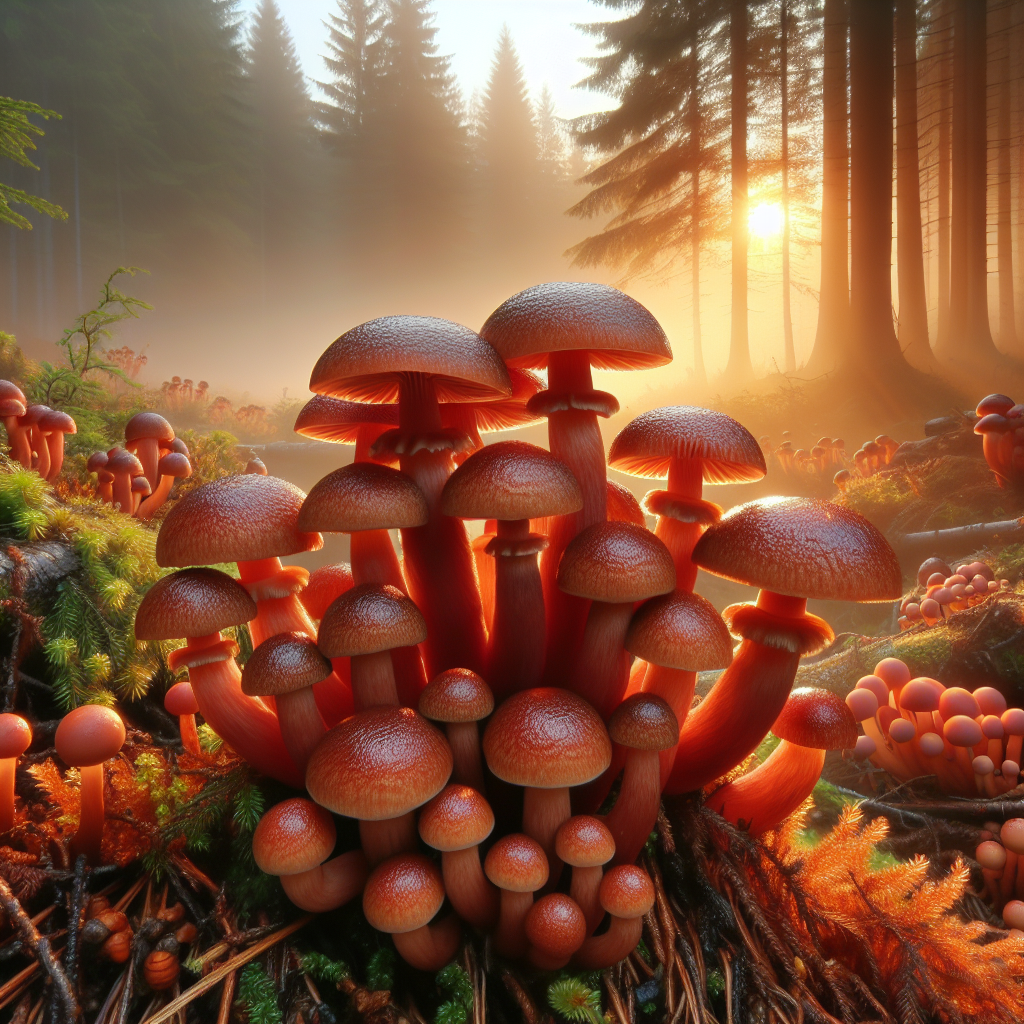
At first glance, Panellus pusillus might seem like just another mushroom, but there's an understated elegance to its minute form. The fruiting body is typically small, only a few millimeters across, and grows in clusters. The cap of this mushroom is typically fan-shaped to kidney-shaped with a color palette that ranges from off-white to pale tan, blending effortlessly with the bark it often adorns.
When and Where Does It Thrive?
Panellus pusillus flourishes in damp, temperate woods, feeding primarily on bits of decaying wood. It’s often found populating old logs, twigs, and forest debris, thriving in conditions that are typically moist and shaded—contexts where other species might not have the opportunity to flourish with such vibrancy.
What Makes Panellus pusillus Important?
The ecological importance of fungi like Panellus pusillus cannot be overstated. These fungi are the unsung heroes of the forest floor, decomposing lignin and cellulose—the tough components of wood—and returning essential nutrients to the soil, thus facilitating new plant growth. A seemingly small role with an immense impact, showcasing nature’s intricate and beautiful design.
How Does It Fit Within the Biodome?
Equally fascinating is its interaction within its ecosystem. Panellus pusillus can often be found amidst a host of other wood-decomposing fungi and plays a significant part in facilitating symbiotic relationships in the forest. Its small size and non-aggressive growth allow it to coexist with many other microflora and fauna, helping to maintain the delicate balance necessary for a healthy woodland environment.
The Beauty of Being Small
The charming smallness of Panellus pusillus is a testament to the diversity found in nature’s myriad creations. Each cap is a perfect little dome, arching elegantly, a gift of nature available to those attentive enough to seek it out.
Despite its size, P. pusillus holds an immense potential for study, offering insights into fungal biology and decomposition processes. Research has even pointed towards its distinct enzymes that are adept at breaking down complex polymers—a potential boon for advances in bioremediation and sustainable organic waste management.
Resilient and Resourceful
The survival of this minute species is noteworthy. Despite being subject to natural predation and the vagaries of climate, P. pusillus endures, partly due to its adaptability and capability to flourish where many organisms cannot. Studies are ongoing to uncover how these fungi survive under different environmental pressures—a topic that holds promise for understanding ecological resilience in the face of climate change.
The Connection With Humanity
Our relationship with fungi is longstanding and rich with potential. Beyond their immediate ecological role, organisms like Panellus pusillus inspire scientists and innovators to consider how these humble beings could aid humanity in solving some of its most pressing challenges, such as waste reduction and carbon management.
By embracing this perspective, we not only broaden our scientific knowledge but also enhance our commitment to a sustainable future. There is hope in understanding these connections, believing that even the smallest participants in our world have roles that ripple across the fabric of life.
A Reminder of Nature’s Complexity
Each piece of the ecological puzzle is important, and Panellus pusillus exemplifies this truth. By taking note of these minute but magnificent beings, we gain a greater appreciation for the complexity and elegance of life on Earth.
In an era where the balance of nature is more vital than ever, recognizing the role played by modest species like Panellus pusillus provides a powerful reminder of nature's genius at work within the great symphony of life.