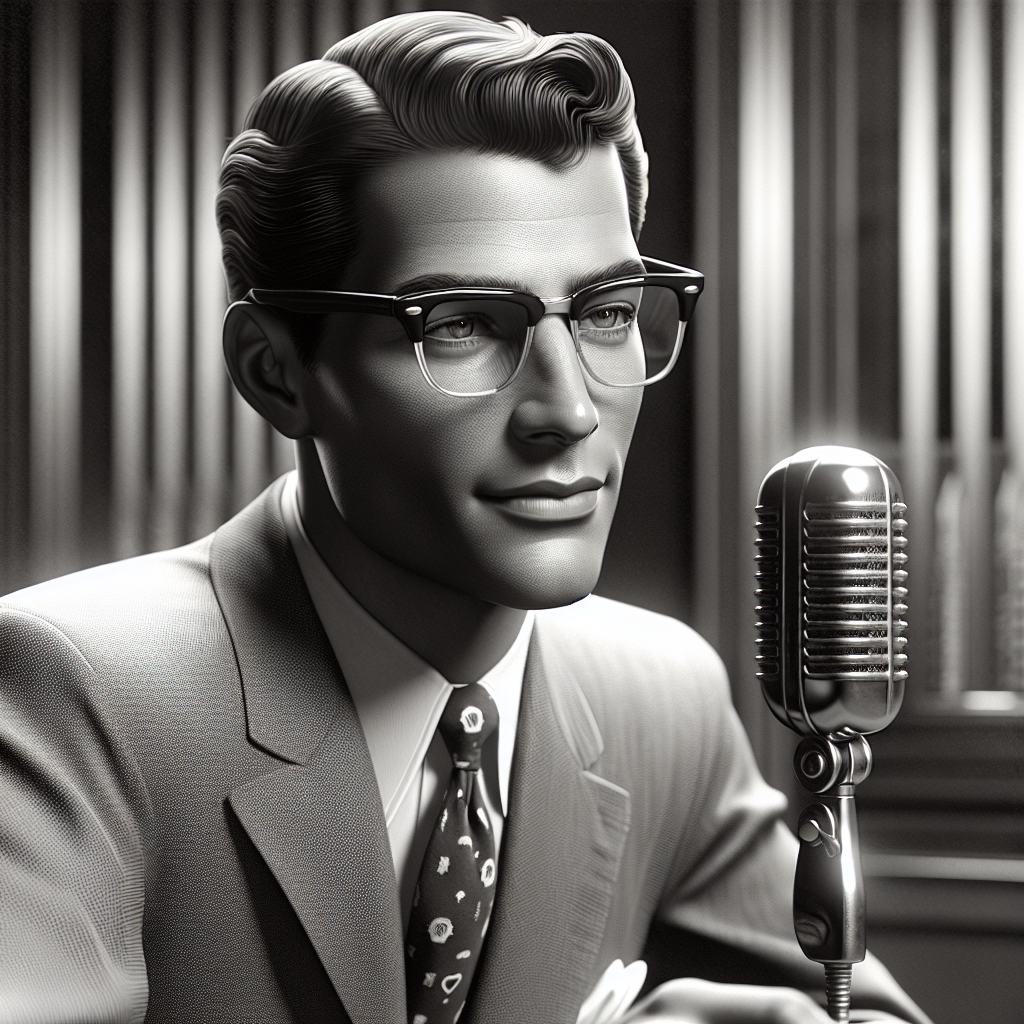

The Many Voices of Olan Soule: Hollywood's Unsung Hero
Imagine a voice so versatile it could bring to life icons and everyday characters alike—a voice that seemed just as at home conjuring caped crusaders as it did sharing everyday sagas on radio soaps. This is the legacy of Olan Soule, a dynamic force in American entertainment from the late 1930s until the early 1980s. Soule had a remarkable career that spanned several mediums, predominantly radio and television, providing a fascinating glimpse into the evolution of modern media.
Precision and passion defined Olan Soule's life and work. Born on February 28, 1909, in La Harpe, Illinois, Soule ventured into the world of performance during an era when the radio reigned supreme. He moved to Chicago, where he became a staple voice on the airwaves, lending his articulate tones to hundreds of different serials.
Soule's radio career is an outstanding account of human adaptability and the power of voice. Radio at that time was the Netflix of its day—an entertainment behemoth feeding the public’s voracious appetite for storytelling. Soule engaged listeners with charm, intensity, and an undeniable ease in roles that crossed genres. From drama to comedy, he was everywhere.
His journey soon led him to Hollywood, where Soule's talents found new avenues. In Hollywood, Soule became a consummate character actor, bringing his performances to the screen. We see the splendor of his adaptability, notably in his on-screen appearances in popular shows like "Dragnet" and "The Andy Griffith Show." Yet, it was his portrayal of cerebral and diligent characters in "Dragnet" that particularly highlighted his ability to deliver meticulous and realistic character portrayals, a trait which mirrored the scientific demeanor he had maintained throughout his career.
Olan Soule's contributions to the world of animation are where most people might recognize his work today. His voice became synonymous with the legendary character Batman in several animated series, such as "The Adventures of Batman" (1968), "Super Friends" (1973-1985), and more. He perfected the balance between Bruce Wayne's congenial persona and Batman's commanding presence, captivating an entire generation. It's fascinating to consider how his narration turned fictional sketches into vivid dramatis personae that remain etched in cultural memory.
There's something incredibly optimistic about Soule’s belief in the transformative power of entertainment. His work helped bring stories to life, shaping the way audiences engaged with burgeoning new mediums. He consistently brought authenticity and depth to the characters he portrayed, reflecting a broader narrative about our own humanity and resilience.
Olan Soule's rich tapestry of roles serves not only as entertainment but as a testament to the power of human voice and storytelling. As we continue to consume media at an astonishing rate, Soule's legacy reminds us that every voice matters and that our stories—as varied and complex as they may be—carry the potential to inspire, educate, and unite.
Soule passed away on February 1, 1994, leaving behind an invaluable legacy that speaks to the strength of perseverance and the boundless capacity of the human spirit. In retrospect, his career offers a treasure trove of insights into both the development of American entertainment and the importance of versatility in personal growth.
If there is a takeaway from Olan Soule's career, perhaps it is the optimism central to learning and adapting to new challenges. His ventures across changing media platforms demonstrate a remarkable curiosity and a belief in progress—an inspiring message as relevant now as it was in his time.