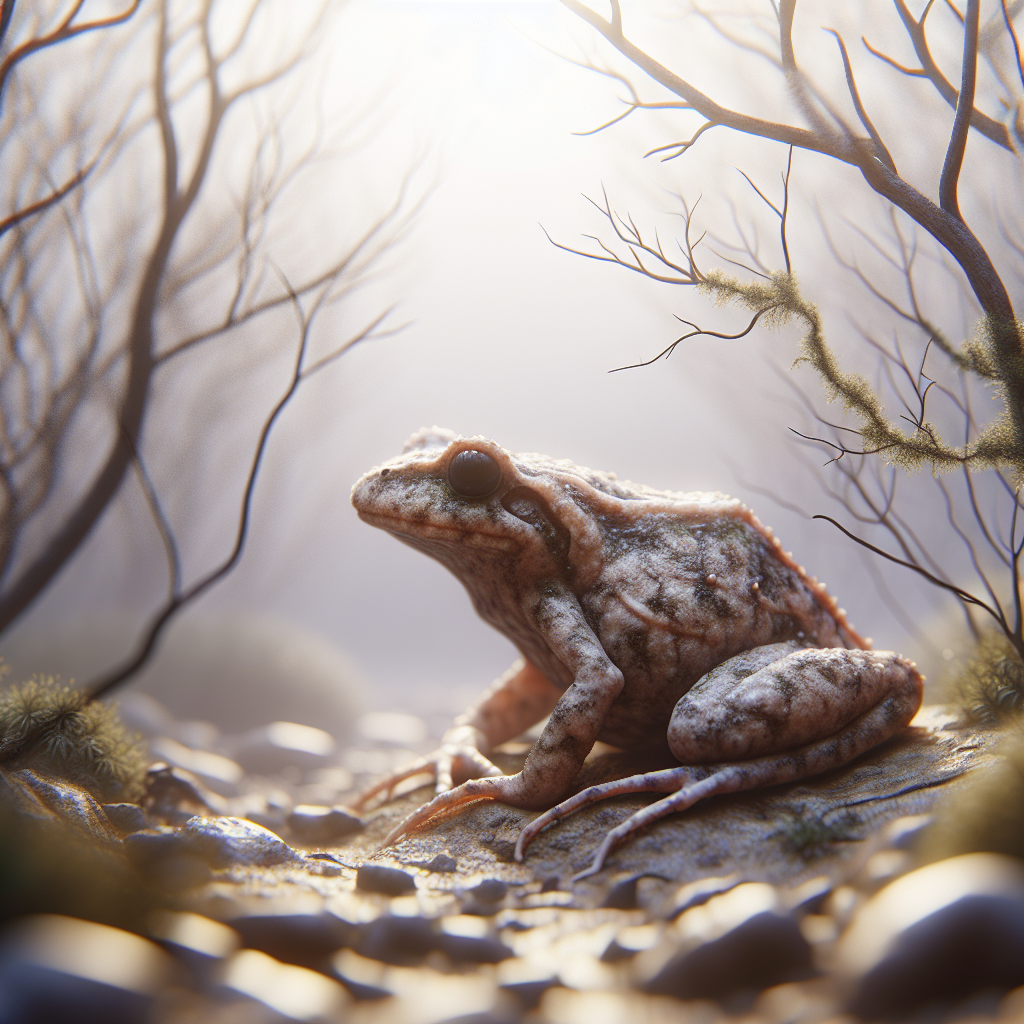

The Enigmatic Nyctibatrachus Major: A Frog with a Big Story
Imagine a frog that has managed to stay hidden in the lush forests of the Western Ghats in India, only to leap into the spotlight of scientific discovery! Meet Nyctibatrachus major, a fascinating species of frog that was first described in 1882 by the British zoologist George Albert Boulenger. This intriguing amphibian is part of the Nyctibatrachidae family, a group of frogs that are endemic to the Western Ghats, a biodiversity hotspot known for its rich and unique flora and fauna. The discovery and study of Nyctibatrachus major are crucial for understanding the ecological dynamics of this region and for the conservation of its delicate ecosystems.
Nyctibatrachus major, also known as the Malabar Night Frog, is a medium-sized frog that thrives in the moist, dense forests of the Western Ghats. These frogs are nocturnal, which means they are most active during the night, a behavior that helps them avoid predators and the harsh daytime temperatures. Their habitat is characterized by streams and waterfalls, where they can be found clinging to rocks and vegetation. The unique adaptations of Nyctibatrachus major, such as their camouflaged skin and specialized toe pads, allow them to navigate their slippery, wet environment with ease.
The significance of Nyctibatrachus major extends beyond its ecological role. This species is an indicator of environmental health, as frogs are highly sensitive to changes in their surroundings, such as pollution and climate change. Studying these frogs can provide valuable insights into the impacts of human activities on the Western Ghats' ecosystems. Moreover, the conservation of Nyctibatrachus major is vital, as it is part of a larger effort to preserve the incredible biodiversity of the Western Ghats, which is home to many species found nowhere else on Earth.
The story of Nyctibatrachus major is a reminder of the wonders that still await discovery in our natural world. As scientists continue to explore and document the rich biodiversity of the Western Ghats, each new finding adds to our understanding of the intricate web of life that sustains our planet. The study of Nyctibatrachus major not only enriches our knowledge of amphibian biology but also underscores the importance of conserving the habitats that support such remarkable species.