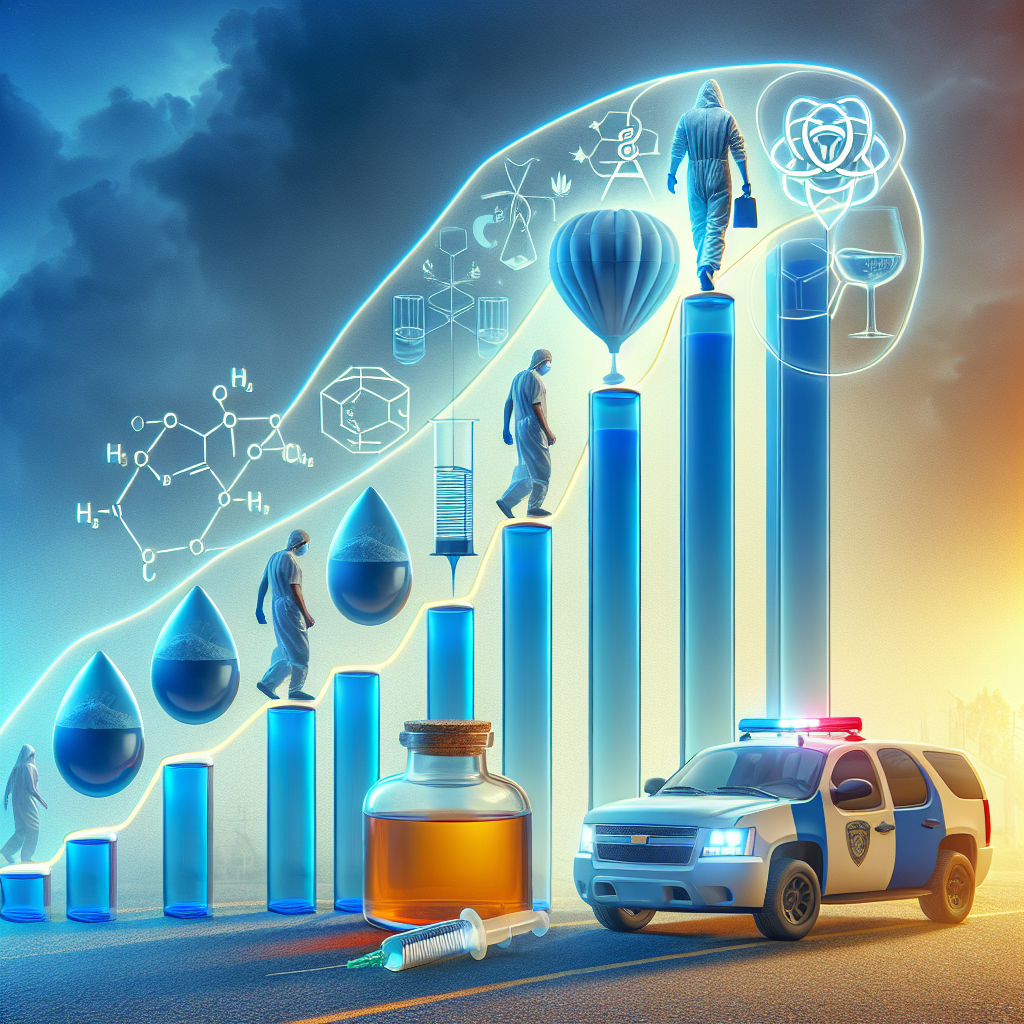

Breaking Down the Buzz on N-Ethylpentedrone
Ever wondered how a synthetic compound with a name longer than a shopping list quickly gains popularity in underground circles? Enter N-Ethylpentedrone, a psychoactive substance that has been on the radar of scientists and policymakers alike due to its intriguing pharmacological profile and burgeoning usage as a recreational drug. Known colloquially as 'NEP', this compound has become a focus of scientific inquiry, captivating the attention of researchers trying to understand its impacts and implications on human health.
Originating from chemical laboratories often shrouded in mystery, N-Ethylpentedrone first appeared in scientific and clandestine drug markets over the last decade. As a member of the cathinone class—a group of compounds designed to mimic the effects of well-known stimulants like amphetamines—NEP has its roots in the world of designer drugs. The illicit nature of its production and sale has been a subject of international concern, raising questions about its regulation and potential ban.
Diving into the Chemistry
To really appreciate what N-Ethylpentedrone is all about, let's start with its chemical makeup. NEP is a type of synthetic cathinone, sometimes referred to as 'bath salts', a term historically linked to stimulant drugs that have similar cathinone structures. Chemically speaking, cathinones are akin to amphetamines but stand out for their ketone functional group at the β carbon. NEP is essentially an analog of pentedrone, sharing a core structure but differentiated by an ethyl group on its nitrogen atom—a subtle, yet significant modification that alters its pharmacological effects.
The Science of Stimulation
The increasing curiosity about N-Ethylpentedrone is not without reason. Its allure lies in its stimulant effects, comparable to those of substances like cocaine and methamphetamine, although nuanced in its own right. NEP acts primarily as a reuptake inhibitor of monoamine neurotransmitters, namely dopamine, norepinephrine, and serotonin. Such action amplifies their presence in the brain's synaptic cleft, igniting a cascade of effects that induce euphoria, increased energy, and enhanced focus—at least temporarily.
Interestingly, the exact mechanism of NEP’s action continues to be a topic of scientific exploration. Research efforts aim to pinpoint its interaction with monoamine transporters and other neurochemical pathways. Early studies suggest that its potency might not match that of its notorious predecessors like methamphetamine but cautions against underestimating its impact on public health, particularly due to its potential for dependence and addiction.
Who's Using NEP?
In the past few years, N-Ethylpentedrone has seen usage across various demographics, often within party scenes or among those seeking performance enhancement. Its appeal is partially attributed to its legal ambiguity in numerous countries, offering an alternative to strictly regulated stimulants. Yet, the potential for adverse effects can't be ignored, with users reporting issues ranging from agitation and paranoia to cardiovascular complications.
Despite its popularity, NEP operates in a legal gray area in many regions, presenting challenges for law enforcement and healthcare providers aiming to tackle its misuse. The rapid pace at which new compounds like NEP are synthesized and introduced into the market often outstrips regulatory bodies' capabilities to classify and monitor them.
Challenges in Public Health
The arrival of such substances has inevitably led to debates on the best strategies for public health intervention. Addressing potential risks requires comprehensive action across multiple fronts: imposing stricter controls, conducting more in-depth pharmacological studies, and enhancing awareness of the risks associated with NEP consumption.
The potential for harm drives a unified call in the scientific community for increased funding and research devoted to understanding safe limits, toxicological profiles, and effective treatment protocols for those who suffer adverse effects. Moreover, education campaigns are pivotal to reduce uninformed use, highlighting that just because a substance is available, doesn’t mean it is safe.
Optimistic Insights and Future Directions
While the challenges are many, an optimistic outlook is warranted given the strides already achieved in drug research and public health infrastructure. The evolving landscape of synthetic drugs continuously nudges humanity towards greater scientific inquiry, policy innovation, and harm-reduction strategies.
It's fascinating to see how chemical innovation, even when used for clandestine purposes, challenges our understanding of human biology and chemistry. The story of NEP is not one of despair but rather a testament to the incessant human curiosity and endeavor to overcome challenges through knowledge.
Looking ahead, collaboration across international borders may enhance our ability to regulate and monitor substances like NEP. By understanding both its risks and legitimate scientific interest, we harness the power of learning to not only prevent misuse but also look for potential benefits such substances could offer under controlled, ethical circumstances.
To Sum Up: With its curious chemical structure and controversial usage, N-Ethylpentedrone sits at a fascinating intersection of science, health, and policy. Recognizing its potential threat and marvelous intricacies feeds our optimistic hope that through education, innovation, and responsible governance, humanity can navigate this complex challenge.