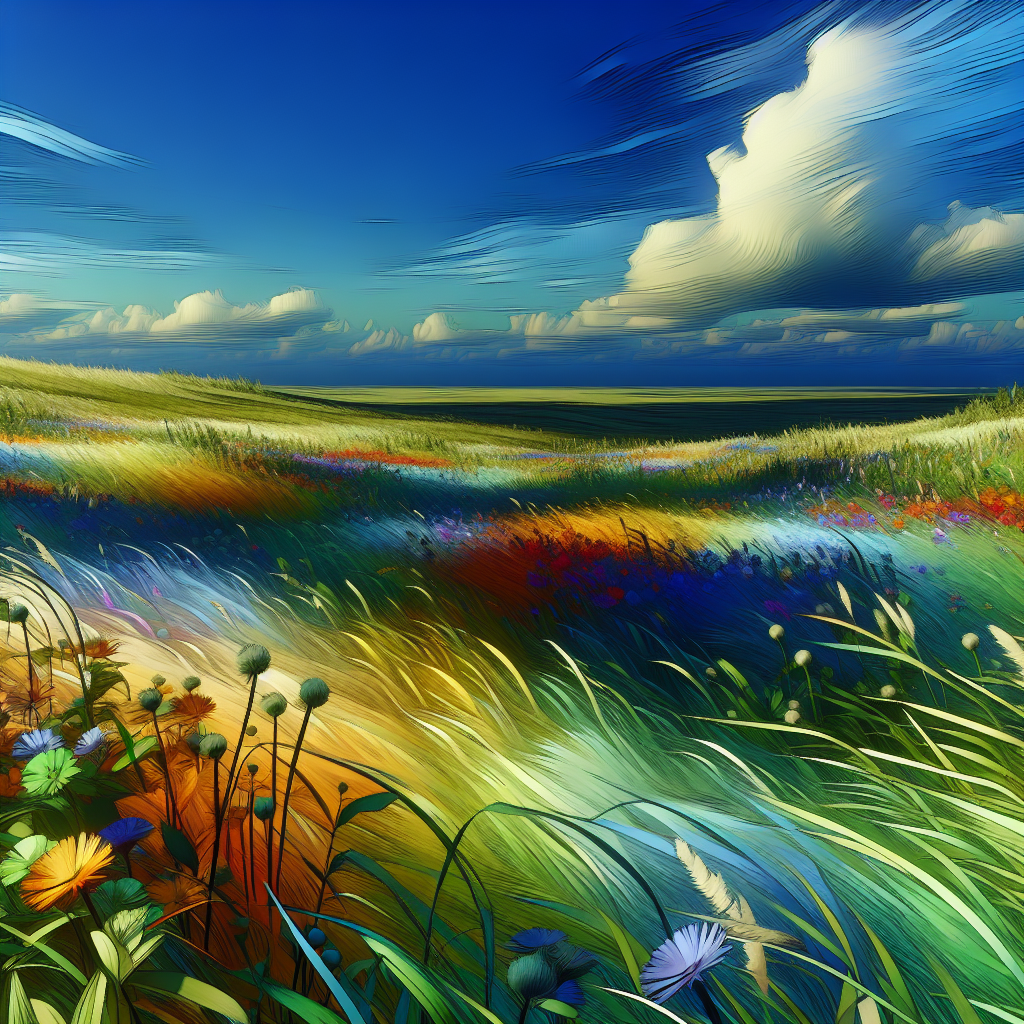

The Enchanting World of Mixed Grass Prairie: Nature’s Balanced Tapestry
Imagine finding yourself in a place where tall grasses sway like dancers in a gentle breeze, while shorter grasses nestle below in robust, harmonious ecosystems. Welcome to the mixed grass prairie! Mixed grass prairies are nature's intricate masterpieces, occupying vast expanses across North America. These prairies stretch from southern Canada down to northern Texas, and they’ve been thriving for thousands of years, becoming sanctuaries for diverse plant and animal life. The ‘when’ of their formation is a timeless narrative of ecological development, and the ‘why’ they're important today resonates through the corridors of biodiversity conservation and climate stability.
Nature’s Ecotone: Merging Tall and Short Grass Prairies
The mixed grass prairie isn't one-size-fits-all; it's an extraordinary blend of tallgrass and shortgrass prairies. Picture the lush height of Big Bluestem or Indiangrass interweaving with the more diminutive Buffalo Grass and Blue Grama. Such diversity occurs because this prairie type functions as an ecotone, or a transition zone. The mix results from various environmental factors such as climate, soil types, and water availability. Therefore, you might witness tall grasses in areas with higher moisture levels transitioning naturally into shorter, drought-resistant varieties.
Fascinating Flora and Tenacious Grasses
Within this prairie type resides an astonishing variety of flora, with grasses taking center stage. Species like Little Bluestem, Sideoats Grama, and Western Wheatgrass demonstrate astounding adaptability. These grasses have evolved to withstand wind, drought, grazing, and even fire—factors that refine them rather than disrupt. Their deep-rooted systems foster soil health and prevent erosion, an understated yet pivotal role against land degradation.
Besides grasses, the mixed grass prairie is home to an arrangement of flowering plants, affectionately termed “forbs” in botanical circles. Bluebells, Purple Coneflowers, and Prairie Clovers punctuate the landscape with colors that welcome pollinators like bees and butterflies. Such interactions are not just pretty displays; they form essential components of the pollination process driving genetic diversity and ecosystem resilience.
Dynamic Fauna: Beyond the Buffalo
What moves amid this grassy bounty? Historically, the thundering herds of American bison were a defining presence, shaping the ecosystem with their grazing and migratory patterns. Nowadays, the fauna is eclectic: coyotes, pronghorn antelope, jackrabbits, and a medley of bird species, such as meadowlarks and prairie chickens, constitute the intricate web of life here.
Predators and prey navigate this landscape in an ongoing dance of survival and natural selection, reinforcing the delicate balance that keeps this ecosystem thriving. The mixed grass prairie offers habitats for nesting, shelters for burrowing animals, and sustenance for herbivores.
Human Impact and Conservation Efforts
While the mixed grass prairie is resilient, it’s not invincible. Human activities have significantly altered these landscapes. Agricultural expansion, urban development, and resource extraction have minimized their grandeur. We’ve experienced a decline in native prairie lands, with less than 5% of mixed grass prairies remaining today. Alas, this diminishment does not spell doom; it calls us to action!
Organizations and governments are championing prairie restoration projects, weaving science and indigenous knowledge to rehabilitate these ecosystems. Restoration involves reintroducing fire as a management tool, reseeding native plants, and controlling invasive species. Importantly, land conservation initiatives and public awareness are growing, inspiring optimism for these ecosystems' future.
The Prairie’s Role in Climate Mediating
Why should we be so excited about the mixed grass prairie? Because they are unsung heroes in our battle against climate change. Their deep root systems store carbon, acting as critical carbon sinks that sequester more CO2 than we might initially appreciate. This process helps to mitigate the effects of climate change, making prairies allies in our quest for a stable and healthy planet.
Let’s Celebrate Biodiversity!
Each blade of grass and each creature in the mixed grass prairie is a testament to nature’s ingenuity and resilience. By understanding these ecosystems better, we don’t just safeguard biodiversity; we enrich our own lives with knowledge and appreciation for the natural world. We stand at a fascinating intersection where science, hope, and action converge. The mixed grass prairie reminds us of the exquisite balance of life and our potential to preserve it.
Whether you’re a curious nature lover, a dedicated conservationist, or a scientific enthusiast, the mixed grass prairie offers endless avenues to explore and celebrate. These prairies play an indispensable part in our ecological fabric—a testament to nature’s grandeur and a promise of hope that with awareness and motivation, we can co-create a sustainable future.