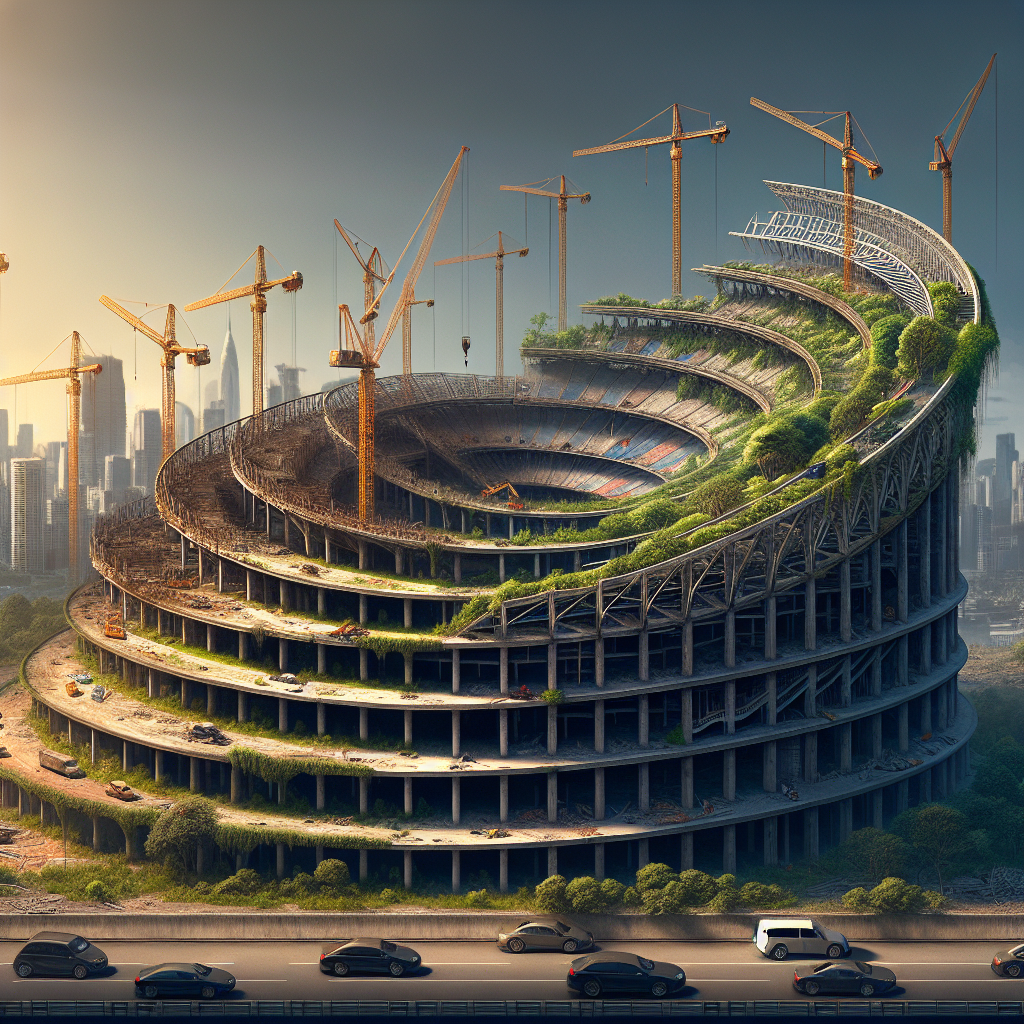

A Field of Dreams and History
Imagine a place where science meets sports, where each cheering crowd is akin to a natural phenomenon, add to it the sparkling optimism radiating through America's evolution in sports culture. This place isn’t a fantasy; it was real. It was the Metropolitan Stadium, a defining structure nestled in the suburban embrace of Bloomington, Minnesota. This iconic stadium served as a multipurpose home for the Minnesota Twins in Major League Baseball and the Minnesota Vikings in the National Football League from the 1960s until the early 1980s. It stood as a pillar of sporting excellence, community gathering, and even a touch of cultural charisma.
The Who, What, When, Where, and Why
Commissioned in the mid-1950s and opening its gates on April 24, 1956, Metropolitan Stadium was designed to answer a burgeoning city's call for professional sports. Situated in Bloomington just outside of Minneapolis, it debuted amidst an era of post-war suburbia, booming infrastructure, and growing dreams of leisure and sport. As a multipurpose facility that supported both baseball and football, “The Met,” as affectionately dubbed by fans, offered a platform for thrilling NFL and MLB moments until it was closed and subsequently demolished in 1985. But why, you ask, should this now-defunct stadium intrigue us? The answer lies in its tale of local culture, adaptive engineering, and nostalgia.
From Blueprint to Reality
As we swing into the technical arena, let's explore how Metropolitan Stadium was not merely a visual spectacle but a marvel of engineering foresight. Envisioned initially as a modest 18,200-seat facility, it epitomized rapid expansion, transformed over the years to welcome crowds exceeding 40,000! This transformation mirrored the already captivating post-war American spirit—adaptable and innovative at its core.
The stadium's layout wasn’t purely utilitarian. Its architectural design incorporated removable bleachers to adapt to baseball and football seasons seamlessly, an innovative approach at the time. Creatively leveraging its expansive field dimensions facilitated the dynamics of American football matches and provided for vivid baseball showdowns.
The Pinnacle of Sports and Community Engagement
What truly resonates about Metropolitan Stadium isn’t merely its brick-and-mortar ensemble but the human stories it housed and inspired. It was here on these grounds that Minnesota embraced sports as a communal experience. Think about the profound symbolism of gathering in common sweaters on a chilly autumn afternoon to support local heroes.
Those who experienced The Met recall radiant summer afternoons filled with Dan Fielding's baseball prowess, the thrilling touchdowns from Fran Tarkenton's arm, and electric live music performances that could set any heart racing. This wasn’t just a stadium; it was a storytelling vessel where dreams met reality on a regular basis.
Technological Triumphs and Challenges
In every optimistic narrative, challenges are the spice of achievement, and Metropolitan Stadium had its taste. Winters in Minnesota can be relentless, and unlike today's modern indoor facilities, The Met had to endure Mother Nature's cold embrace. While the allure of outdoor sports is timeless, it posed ongoing maintenance challenges, such as dealing with frozen turfs and icy stands. Yet, these setbacks seemed to foster a pioneering spirit both in the stadium's management and its fans, who dressed more warmly and embraced the weather as a part of the experience.
The Legacy Lives On
While Metropolitan Stadium's physical incarnation may now reside only in memory and photographs, its spirit thrives. How does a structure long gone continue to influence? Part of it is nostalgia, yes, but more influentially, it's about the foundation it laid—socially and structurally—for its successors. Metaphorically, it planted the seeds that would become parts of larger venues like the Hubert H. Humphrey Metrodome and the current embracing wonder that is U.S. Bank Stadium.
From a scientific perspective, Metropolitan Stadium was an experiment in the social physics of community and sport, illustrating how collective human enthusiasm can infuse life into concrete and steel.
Closing with an Eye to the Future
Thus, as we reflect on your walk down history lane, consider Metropolitan Stadium not just a relic of leisure past but as an optimistic symbol of human ingenuity, community spirit, and adaptability. Its story offers rich insights—for everyone from engineers pondering design philosophies to sporty souls marvelling at cultural legacies. So next time you sit in a stadium, soaking up the excitement, spare a thought for the humble yet pioneering influence of Minnesota’s very own “The Met”.