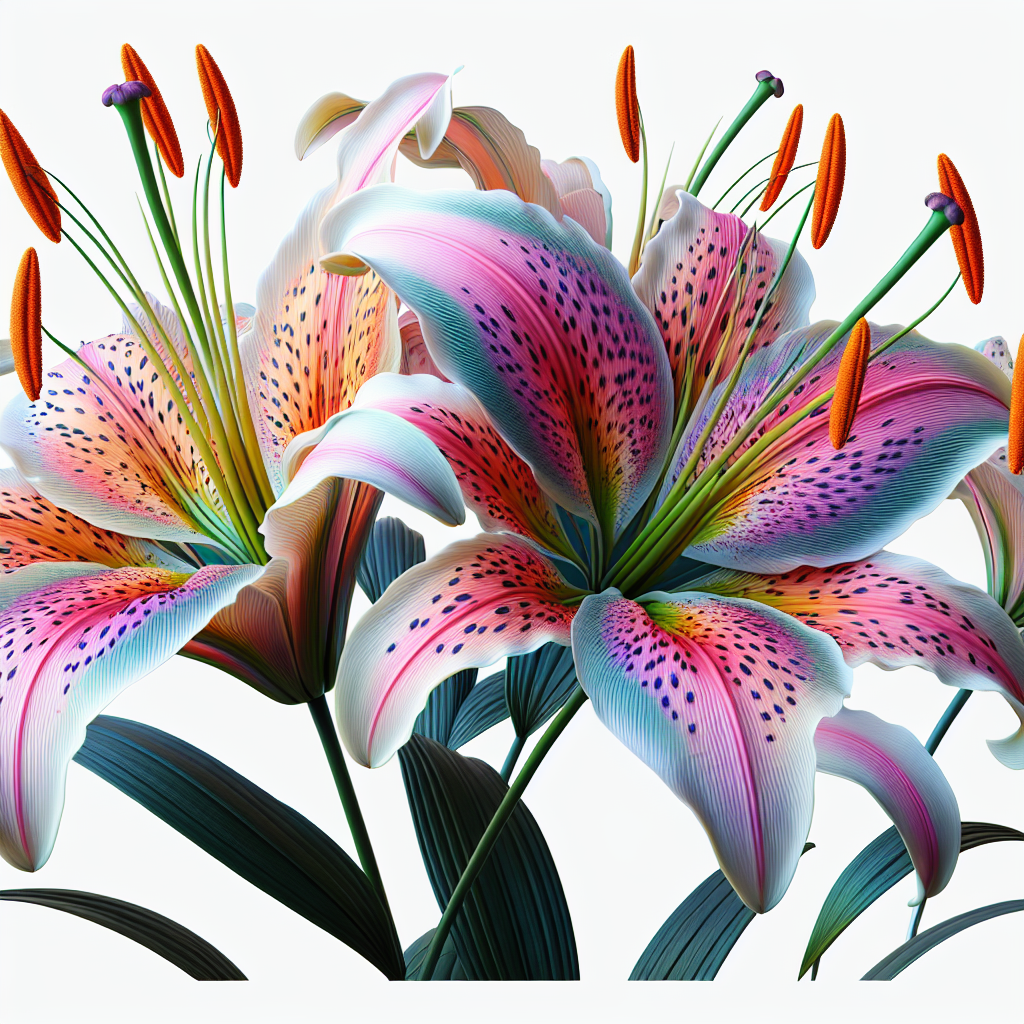

If there were a botanical Oscars, Lilium pardalinum subsp. pitkinense would snag the title for 'Best Surprising Phenomenon,' mainly because it captivates botanists and nature lovers alike with its rare beauty and fascinating story.
Picture a plant that appears as an artwork of nature, bursting with color and spotting patterns resembling those of a leopard. This plant, more commonly recognized as the Pitkin Marsh lily, blooms in limited locations, predominantly in the wetlands of Sonoma County, California. Its rarity parallels the finest diamonds, augmenting its value to botanists and conservationists around the globe.
What is Lilium pardalinum subsp. pitkinense?
Lilium pardalinum subsp. pitkinense is a subspecies of the leopard lily, a name drawn from its vividly spotted petals. This subspecies is specific to particular marshy habitats that provide the unique conditions necessary for its survival. Standing between 3 to 7 feet tall, the Pitkin Marsh lily boasts striking orange and red petals adorned with dark spots, a display both enchanting and effective for attracting pollinators such as bees and butterflies.
Discovered in the early 20th century, this lily distinguishes itself by its specialized habitat preferences and restricted distribution. The Pitkin Marsh lily primarily thrives during the peak of the spring season, ushering in vibrant colors to otherwise muted wetlands.
The Habitat: Where Does It Grow?
The Pitkin Marsh lily is endemic to Northern California, particularly flourishing in the Pitkin Marsh located in Sonoma County. This corner of nature serves as its primary residence. It requires the delicate balance of light, water, and soil that these wetlands uniquely provide. Such specificity underlines the fragility of its existence and emphasizes the importance of these habitats. Changes in land use, climate, or hydrology can spell disaster for its continued survival.
The Pitkin Marsh Lily's Role in the Ecosystem
Apart from mesmerizing onlookers, this lily plays a crucial part in its ecosystem. It contributes to the biodiversity of the flora in its native habitat, providing sustenance and shelter to various insects and small creatures. Its striking blooms not only entice pollinators that ensure its reproduction but also support a broader range of biodiversity.
The robustness of these ecosystems is intricately tied to every species present. Hence, the conservation of Lilium pardalinum subsp. pitkinense aids in maintaining the ecological balance, reinforcing why efforts toward its protection are pivotal.
Conservation Challenges and Efforts
It's a delicate balance. The Pitkin Marsh lily faces numerous threats, a stark reminder of nature's vulnerability. Habitat destruction has perhaps been the most pressing issue, driven by land development and water management changes. Together with invasive species out-competing native flora, these factors pose significant risks to the lily's survival.
Conservation groups in collaboration with government agencies focus on habitat restoration, careful water management, and legal protection to ensure the lily's ongoing survival. Public awareness campaigns also strive to inform and engage local communities, fostering a collective effort to protect these natural treasures.
What Makes This Lily Unique?
In addition to its visually arresting appearance, the Pitkin Marsh lily shows a remarkable resilience. Despite the external threats and challenges it faces, this subspecies embodies adaptability and survival, celebrating life in adversity. Its specialized nature makes it a fascinating subject of study for botanists and conservationists, continuously shedding light on the delicate interplay between species and their environment.
The lily stands as a symbol of nature's artistry and complexity—each petal painted with evolutionary brush strokes that speak to its long-standing interaction with its habitat. It's a botanical gem that, beyond its ecological value, also possesses educational and cultural significance.
An Optimistic Look Forward
While the road to conservation triumphs is long and arduous, the ongoing efforts fuel optimism. Technologies in biology, alongside innovative conservation methodologies, hold promise for revitalizing and protecting such rarities. The story of Lilium pardalinum subsp. pitkinense serves as a persistent reminder of nature's fragility and resilience, urging humanity towards sustainable coexistence.
As we peel back the layers of ecological complexity encapsulated in this singular subspecies, we learn invaluable lessons about the interconnectedness of life forms and their environments. Armed with knowledge and empathy, we can rally to ensure that future generations will witness the thriving blooms of the Pitkin Marsh lily, shining under the Californian sun.