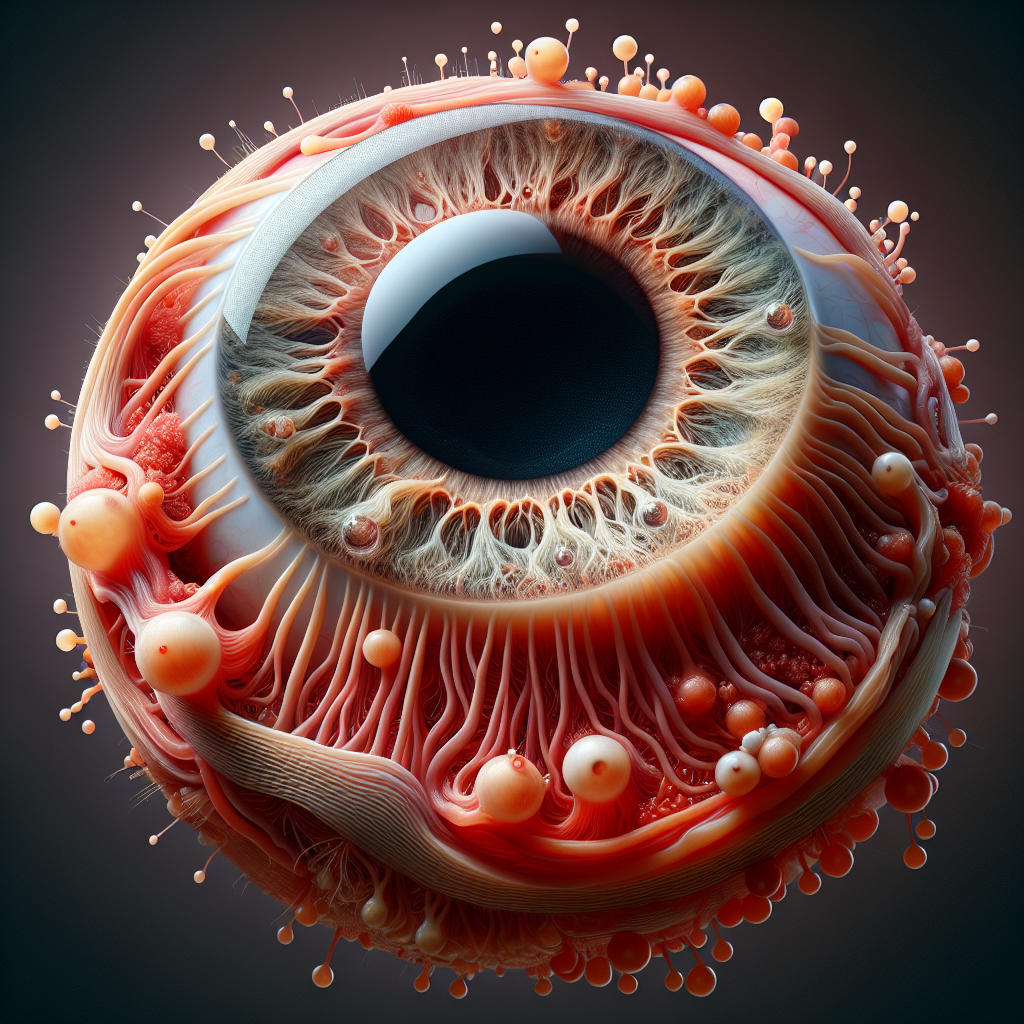

The Secret Guardians of Our Tears: Unraveling the Mysteries of the Lacrimal Gland
Have you ever wondered who’s the unsung hero behind the tears that flow when you both laugh and cry? Meet the lacrimal gland, a fascinating conductor in the symphony of our emotions and ocular health. Whether you're shedding tears of joy or sifting through the stress of daily life, it's this small but mighty gland that plays a pivotal role in how we express ourselves and protect our eyes.
What Exactly is the Lacrimal Gland?
The lacrimal gland is a fascinating feature of human anatomy that many might not consider essential, yet it plays a crucial role in ocular health. It is located in the upper outer region of each eye orbit (the space in the skull where your eyes are nestled) and is responsible for producing tears. Tears, you may ask, aren’t they just a sign of emotion? In fact, tears are fundamental to maintaining the health of your cornea and entire visual apparatus.
More Than Just a Tear Factory
These tear droplets are filled with a cocktail of nutrients and enzymes that protect, nourish, and lubricate the eyes. Without the lactimal gland diligently secreting these life-giving drops, our eyes would be painfully dry and susceptible to infections. Tears keep the surface of our eyes clear and friction-free, while also helping to break down bacteria thanks to an enzyme called lysozyme.
The Anatomy and Function of The Lacrimal Gland
Anatomically, the lacrimal glands are divided into two parts: the palpebral and the orbital portion. The lacrimal gland is highly responsive to both emotional stimuli and physical irritants. When you have a good cry while watching a heartfelt movie or blinking against the harsh wind, it's the lacrimal gland that's working overtime.
Emotional and Reflexive Tears: What's the Difference?
Humans are quite unique in the animal kingdom due to our ability to shed emotional tears. But did you know there are actually three types of tears?
Basal Tears: These are the ever-present guardians, always ready to keep your eye surface moist and clean, even when you're fast asleep.
Reflex Tears: Ah, the tears you experience when chopping onions or when dirt gets into your eyes. These are responses to irritants and serve as the body’s way of flushing out unwanted substances.
Emotional Tears: Here’s where the wonder lies—these tears contain higher levels of stress hormones and natural painkillers. Various studies suggest that emotional tears act as a form of emotional cleansing, making us feel better after a good cry.
What Happens When the Lacrimal Gland Goes Awry?
Challenges arise when the lacrimal gland doesn't function correctly. Common issues include dry eye syndrome, where the gland doesn’t produce enough tears to keep the eye moist, leading to discomfort and irritation.
On the contrary, some people might experience constant tearing, known as watery eyes, often caused by blockages in the tear ducts or overly sensitive eyes reacting too severely to irritants.
The Role of Science and Medicine
Scientists and doctors continue to explore advanced treatments for lacrimal gland disorders. These range from simple solutions such as using artificial tears to more advanced surgical interventions that help restore normal tear function. Innovations in biotechnology and a deeper understanding of human physiology continuously inspire optimism for better treatments and improved eye health.
How You Can Care For Your Lacrimal Glands
With all this newfound understanding of the lacrimal gland, you might be wondering how you can take better care of these tiny tear generators. Here are some simple, yet effective tips:
- Stay Hydrated: Drinking enough water is key to maintaining the delicate balance of moisture your eyes need.
- Blink Often: Especially when staring at screens, make a conscious effort to blink frequently to distribute tears evenly.
- Maintain a Healthy Diet: Nutrients like omega-3 fatty acids have been shown to improve tear production.
- Protect Your Eyes: Wear sunglasses on sunny or windy days to reduce strain and irritation.
Embracing the Wisdom of Our Tears
Understanding the lacrimal gland opens a window into human physiology’s complexity and our emotional universe's intricacies. Just knowing how these little glands contribute to our overall well-being is a testament to the wonder of human biology. In a world full of undiscovered mysteries, isn’t it comforting to discover the fascinating details that make us human?
In conclusion, the lacrimal gland is much more than a tear-producing organ. It’s a crucial component in our bodies that protects our eyes, washes away stress, and, remarkably, even comforts us emotionally. Here’s to acknowledging the small yet mighty lacrimal glands—the silent custodians of ocular health and emotional expression!