
Hidden Beauty in the Horn of Africa
Laas Geel - a name that may not be familiar to many, but its ancient echoes narrate a thousand tales of human creativity and life in the desert of Somaliland. Nestled approximately 55 kilometers northeast of Hargeisa, the capital city, Laas Geel reveals a wealth of prehistoric art that transcends time itself! With some of the oldest and most preserved rock art in Africa, dated as far back as 9,000 BCE, Laas Geel has become a site of keen interest for historians, archaeologists, and travelers alike.
A Journey to the Ancient World
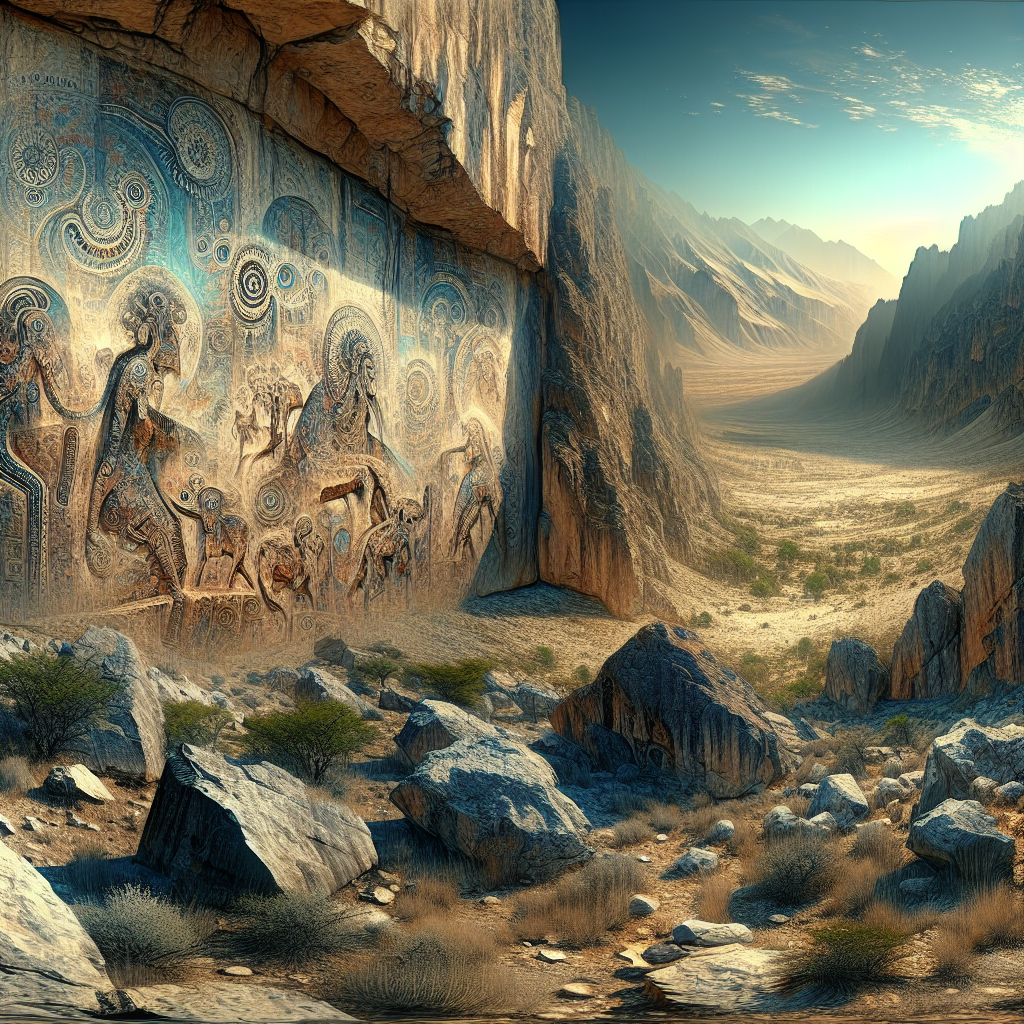
Imagine stepping back in time thousands of years, visualizing a world seen through the eyes of ancient pastoral communities. The cave paintings of Laas Geel are a remarkable museum of early human life, offering a vibrant peek into the lives of our predecessors who thrived in these arid landscapes. The imagery etched and painted onto these rocks includes humankind, unsent herds of cattle adorned with ceremonial robes, and various other domesticated animals, encapsulating the coexistence that early humans shared with nature.
The Discovery: A Symphony of Time
The world was reintroduced to Laas Geel in November 2002, when an international team of French researchers embarked on a mission that led to the rediscovery of these astounding caves. Led by renowned archaeologist Dr. Xavier Gutherz, the expedition confirmed the age and importance of these archaeological treasures, emphasizing their significance in the broader context of African prehistory. While the art had survived millennia, the site had escaped the attention of both historians and the mainstream public until this serendipitous find.
Understanding the Artistry and Its Implications
The paintings at Laas Geel are not only remarkable in terms of their size and beauty but also their complexity and details. The figures of cows, for example, are not just representations; they are expressive, adorning intricate decorations and often painted in vibrant reds, yellows, and whites. This suggests not only a deep respect for these animals but also indicates they held significant spiritual or economic importance for the people of that era. Through this artistry, we glean insights into the socioeconomic structures, religious practices, and day-to-day lives of their creators.
The Crucible of Civilizations
What makes Laas Geel a subject of such profound allure is its potential bridge role in understanding the migratory and cultural diffusion patterns through Africa and into the Arabian Peninsula. The Horn of Africa is considered one of humanity’s cradles, with our ancestors departing on some of their earliest journeys across the globe. The tales captured within Laas Geel’s rocks bear witness to these crucial chapters in human evolution, possibly even influencing artistic endeavors far beyond its immediate perimeters.
Preserving Heritage in Modern Times
For all its allure, there looms the present-day challenge of preserving Laas Geel. Despite its inclusion on the tentative list for UNESCO World Heritage Sites, conservation efforts are crucial to protect these irreplaceable artworks from natural degradation and potential human vandalism. These paintings not only belong to the people of Somaliland but represent a deeper, intrinsic connection to our shared human past. It's an optimistic testament to our capacity to create, wonder, and connect across ages and cultures.
An Opportunity to Rediscover
While the regions around Laas Geel still beckon intrepid adventurers and scholars, the safety concerns in Somaliland can pose significant challenges. However, with increased global awareness and responsible ecotourism, we can ensure these artful echos resound brightly into posterity, safeguarding this wondrous site for future generations. Acts of preservation aren’t just about art; they're about honoring that unwavering human spirit that has always sought to express, share, and document our journey on this planet.
Bridging the Gap Between Past and Present
In an ever-evolving world driven by technological miracles, the rock art of Laas Geel reminds us of a much simpler eternity - a time where stories were etched on natural canvases, where art served as a social connector, and where communities gathered in appreciation of the shared human experience. Every color, line, and motif is infused with the whispers of the past, urging us to look back, learn, and cherish the mysterious legacies left by our ancestors.
In the end, Laas Geel stands not only as an archaeological treasure but as a testament to the undying curiosity of humanity itself. Scholars, dreamers, and travelers can all partake in its silent but powerful saga, fueling optimism for new discoveries and renewed connections spanning both time and distances among civilizations.