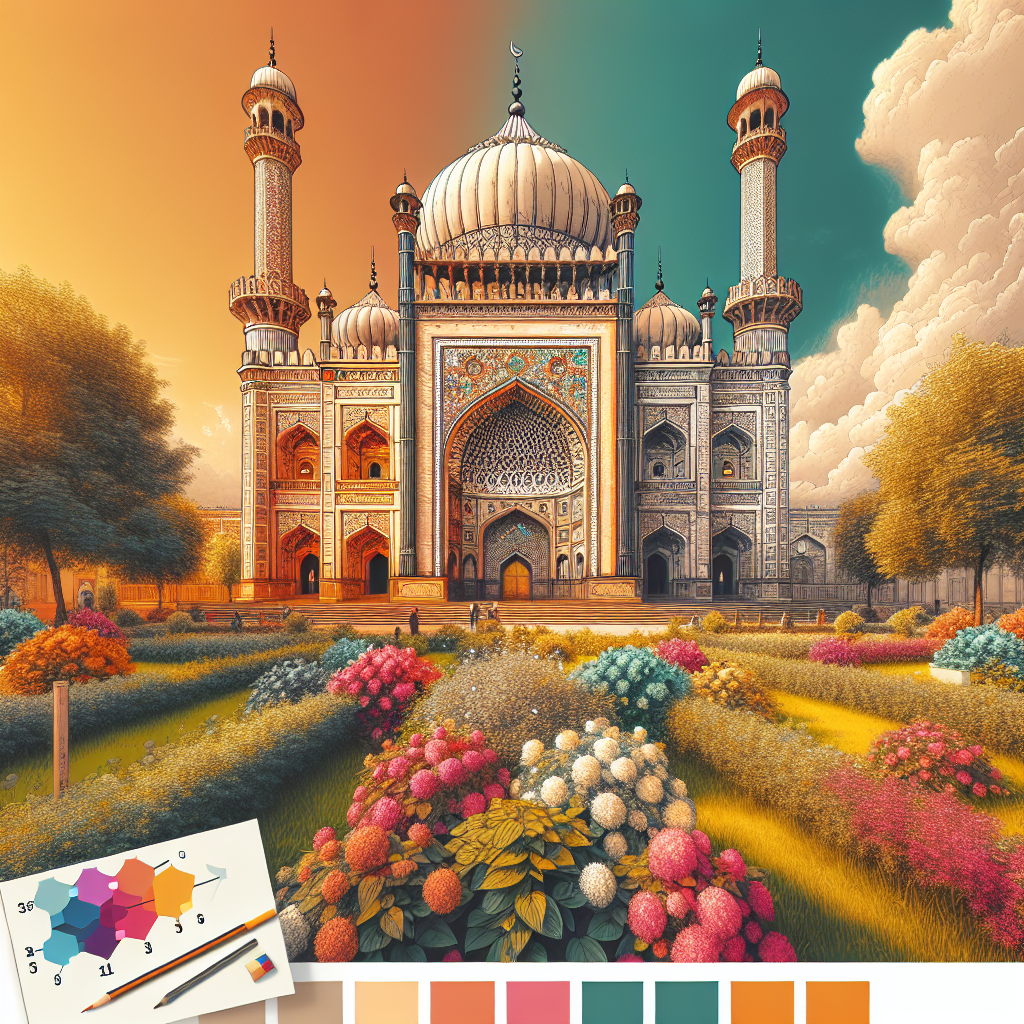

Has your curiosity ever been piqued by a centuries-old architectural wonder nestled by a serene water body? If so, you might be intrigued by the Khania Dighi Mosque, a magnificent testament to medieval Islamic architecture in Bangladesh. Constructed in the late 15th century in the charming district of Rajshahi, this mosque is not merely a place of worship but a monument echoing the cultural and historical cadence of an era long past. Its standing remains a testament to both the pervasive reach of Islamic architecture and the enduring craftsmanship that makes these historical structures fascinatingly resilient.
Architectural Significance
The Khania Dighi Mosque isn’t just an edifice of prayer; it's a piece of architectural poetry sculpted in brick and mortar. This splendid mosque is characterized by its traditional Bengal style manifested in a single-dome structure that emphasizes simplicity and elegance. The dome, resting gracefully atop the mosque, is not only an artistic masterpiece but also an engineering marvel for its time, showcasing an understanding of geometry and balance.
You'll notice that the mosque employs an intricate pattern of terracotta plaques—a craft perfected in Bengal. These terracotta designs tell stories; they depict floral motifs, geometric patterns, and sometimes calligraphy, each one narrating a tale from the cultural fabric of the region.
Historical Context
To truly appreciate the Khania Dighi Mosque, it’s rewarding to understand the historical context during which it was constructed. Built during the reign of the Sultanate of Bengal, the mosque stands as an emblem of the fusion between prevailing Islamic influences and indigenous artistic traditions. This period was marked by the spread of Islam through trade and the patronage of local rulers who embraced and integrated Islamic architectural styles into the local landscape.
Spiritual and Cultural Essence
But why build such an ornate place of worship by a dighi, or a pond? Quite simply, water holds profound symbolic importance across cultures and religions. In Islam, it symbolizes purity and life, making the location of Khania Dighi Mosque near a body of water particularly significant. The pond not only enhanced the aesthetic appeal but also served practical purposes such as ablution before prayers.
The mosque has served as a central hub of spirituality and community gathering, fostering a sense of unity and serving as a witness to countless human experiences over the centuries. It encapsulates stories of community, devotion, and the passage of time, each scratch on its walls a testament to the lives that have touched it.
Preservation Efforts
Preserving such a monument is crucial, not just for its aesthetic values but as a beacon of historical education for future generations. Over the years, various efforts have been made to ensure that structures like the Khania Dighi Mosque are maintained amidst modernity. Recognizing the importance of such sites, both governmental and non-governmental organizations work to conserve its structure and surroundings so that it can continue narrating its tale.
The Modern-Day Experience
Visiting Khania Dighi Mosque today offers not just a journey into history, but also an opportunity to appreciate the serene beauty and craftsmanship of ancient times combined with the lively humdrum of contemporary life. The juxtaposition of the old with the new underscores the mosque’s enduring relevance in today's world.
In essence, the Khania Dighi Mosque is more than just a historical artifact; it is a capsule of cultural, religious, and architectural synthesis that invites us to explore, to understand, and to stand in awe of the continuity of human innovation. Whether you're a history enthusiast, an architecture aficionado, or simply a curious traveler, the experience of the Khania Dighi Mosque is akin to stepping through the pages of history, where every brick laid poses questions about life, time, and the eternality of human expression.
Conclusion
The Khania Dighi Mosque is a shimmering thread woven through the rich tapestry of Bangladesh's historical and cultural narratives. Its enduring legacy continues to inspire and instruct, encouraging us to cherish, preserve, and venerably engage with the stories it has quietly cradled for centuries.