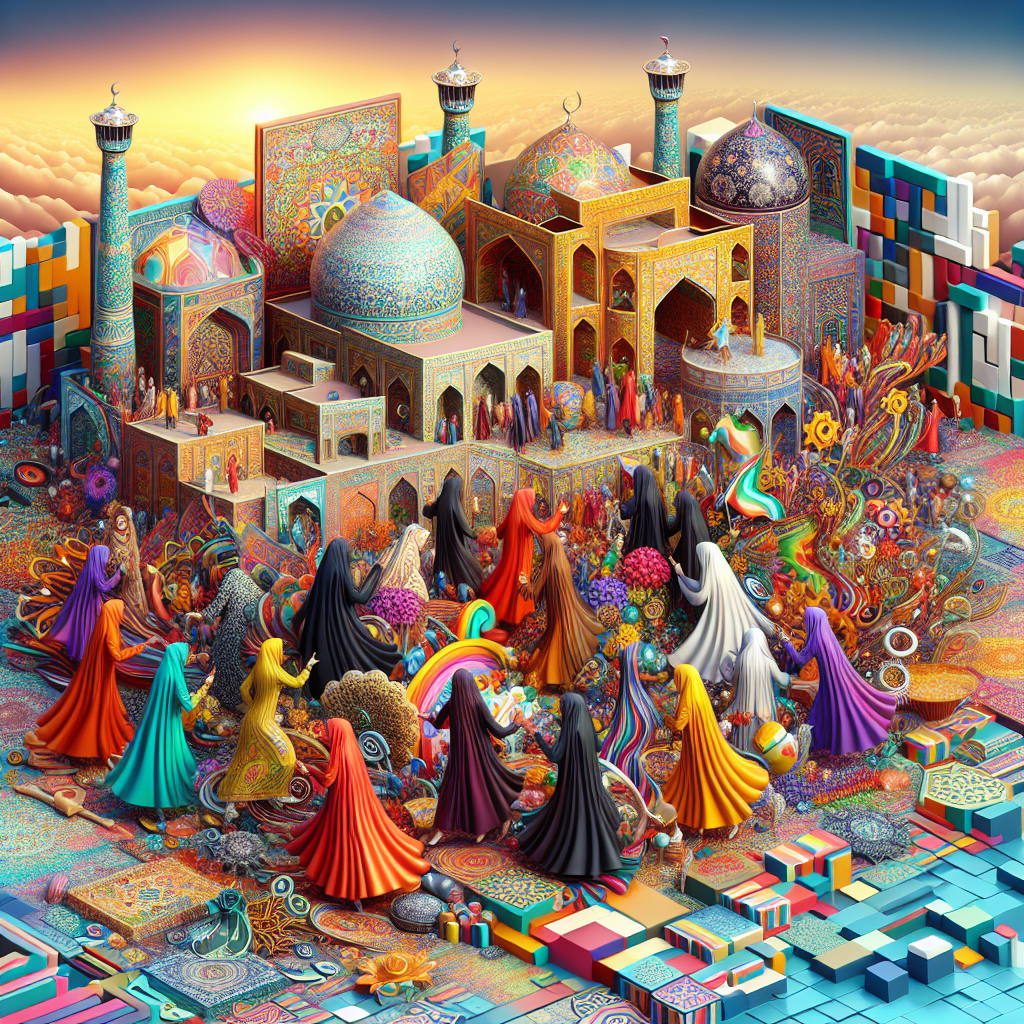

Kashf-e Hijab: A Historical Snapshot
Imagine casually flipping through an album of history to the 1930s, when Reza Shah Pahlavi, the emphatic ruler of Iran, set in motion a controversial policy that resonated through the heart of society. This policy was "Kashf-e hijab", translating to the 'unveiling of the veil' - a governmental decree mandating that Iranian women shed their traditional hijabs. Instated in 1936, this directive was not just a fashion statement, but a bold social reform that collided ancient traditions with modern aspirations.
Who, What, When, Where, Why
The architect behind this seismic shift was none other than Reza Shah, the first ruler of the Pahlavi dynasty in Iran. In 1936, during his efforts to modernize the nation and emulate Western societies, Reza Shah launched Kashf-e hijab as a mandate aiming to liberate women by prohibiting the hijab in public spaces. This dramatic proclamation was implemented across Iran, a culturally rich nation steeped in Islamic traditions. The motivation was multifaceted: an attempt to propel Iran into the modern age, to assert governmental control, and to visually symbolize socio-political progress.
The Social Fabric of Iran
To appreciate the gravity of Kashf-e hijab, it’s crucial to understand the fabric of Iranian society at the time. The hijab was more than a garment; it represented individual identity, cultural heritage, and religious devotion. Many women viewed veiling as a personal choice intertwined with moral values, while others saw it as a patriarchal imposition. Reza Shah's policy thus stirred a hornet's nest by targeting not just the clothing, but the cultural and religious fabric of the country.
The Backbone of Modernization
Reza Shah envisioned Iran as a beacon of modernization, a vision influenced by the rapid advancements in the Western world. This modernization blueprint included ambitious projects like constructing railways, reforming educational systems, and revoking archaic laws. The unveiling initiative was emblematic of these efforts—an attempt to internationalize Iranian society at a critical juncture when nationalist fervor was gripping the globe.
Repercussions of Kashf-e Hijab
True to its controversial nature, Kashf-e hijab was met with a spectrum of reactions. Immediate enforcement saw law enforcement patrolling the streets, instructing women to remove their headscarves. Many were caught between compliance and defiance, as resistance equated to public humiliation or severe reprisals. Consequently, some women chose seclusion over exposure, refraining from public life to avoid confrontation with the authorities.
A Fateful Intersection of Opposing Forces
Understanding why this was such a radical policy involves untangling the complex web of traditionalism versus modernism. For Reza Shah, the unveiling was a step towards societal advancement and gender equality. However, for many Iranians, it was an affront to cultural integrity. The state's coercion into personal lives set a precarious precedent that echoed through decades, culminating in layers of societal scars and a profound divide between secularists and traditionalists.
Learning From History, Understanding the Present
Kashf-e hijab is significant not only because of its immediate impact but also due to its legacy in Iran’s modern-day socio-political landscape. Fast forward to the present—post-1979’s Islamic Revolution, the hijab mandate returned, possibly as a counter-reaction to earlier secular policies. This enduring cycle highlights how deeply rooted such policies are within the larger context of national identity and governance.
Moving Forward with Optimism
With the benefit of historical perspective, Kashf-e hijab lends valuable insights into the ongoing dialogue about personal freedom, religious expression, and national identity. As humanity continues its ceaseless quest for progress, understanding the past enables societies to craft inclusive policies that respect tradition while embracing modernity.
By breaking down such complex historical events, we gain a more nuanced understanding of today’s challenges and triumphs. Just as Reza Shah's move was filled with optimism for a brighter future, embracing history could guide us toward a world where progress and tradition coexist in harmony.