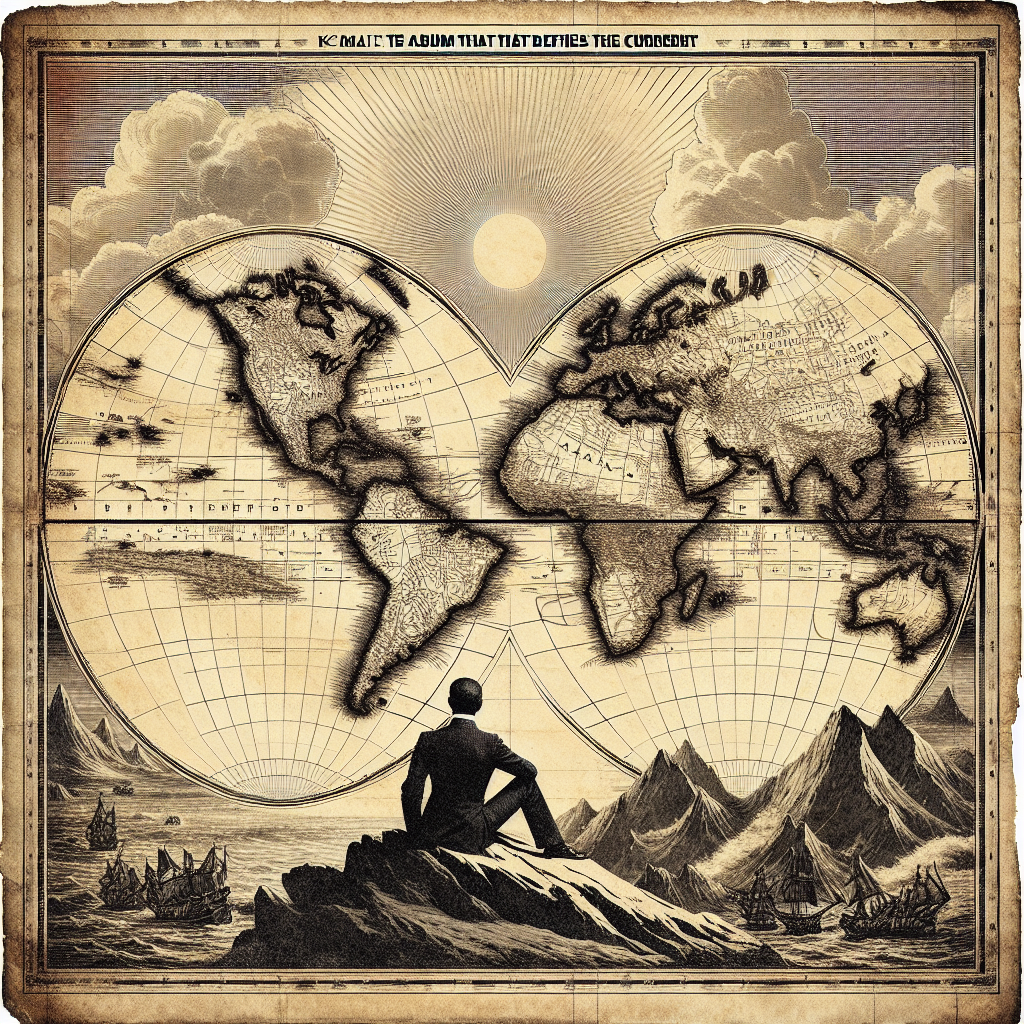

Have you ever felt music speak to you about matters beyond love and heartbreak—something more aligned with societal structures and ideologies? That's exactly what Kapital, an album by the industrial band Laibach, achieves with its complex and enigmatic nature. Released in 1992 in Slovenia—a pivotal moment in history as the Cold War had just ended and Europe was mid-transition—this album intriguingly melds music with socio-political commentary. Laibach, a band renowned for its provocative and often controversial take on music, ensures that Kapital isn't just heard; it's experienced and thought about.
Let's embark on an intriguing journey of understanding what makes Kapital resonate beyond the ears, striking a chord with the analytical mind. Putting on our most curious caps, we'll dissect how Laibach's experimentation with genres, philosophy, and history blends into a masterful creation.
Musical Composition: A Canvas of Exploration
Laibach is often known for their avant-garde approach to music, and Kapital epitomizes their experimental ethos. The album navigates through a landscape of electronic, industrial sounds interspersed with hints of ambient and orchestral elements. This eclectic mix not only sounds innovative but serves as an auditory depiction of the industrial society Laibach scrutinizes.
Primarily, the album features analog sequences, sampled sounds, and synthesizers amalgamating to form a mechanical yet organic sound—a characteristic that aligns with their commentary on capitalism. The blending of heavy beats and metallic clangs with fluid melodies evokes imagery of bustling factories and bustling cities—settings emblematic of capitalist growth.
Themes: Socio-Economic Narratives
Understanding the lyrical themes in Kapital requires an engagement with economic theories and historical context. Laibach tackles capitalism's dynamics, evident in tracks such as "Wirtschaft ist Tot” (German for “Economy is Dead”).
The lyrics serve as philosophical critiques, examining the progression of capitalism, its impact on individuality, and its influence on societal structures. Each track unfolds like an economic seminar, but instead of lectures, you get powerful beats and stirring words that compel you to think and perceive. With references to Marxian theories and the fluctuating economy of post-communist Europe, Kapital urges listeners to question the economic systems governing modern life.
Laibach's Artistic Identity: Provocateurs of Thought
Laibach has never refrained from challenging norms, using their music as a medium for intellectual stimulation. Their artistic identity is that of provocateurs—constantly pushing boundaries to ignite thoughtful conversations. With Kapital, this reputation only solidifies, as they amalgamate disparate influences to craft a resonant socio-political message.
Their symbolic use of visuals, performance art, and stage personas supplements the music, turning the listening experience into a multi-faceted exploration of ideology and identity. Laibach's incorporation of art, philosophy, and political commentary ensures their work—a reflection on humanity—echoes through the corridors of time.
Impact: A Message Beyond the Music
The resonance of Kapital extends beyond music lovers to philosophers, economists, and historians. It questions the fabric of economic systems and their inherent flaws, promoting a dialogue that remains ever-relevant in today’s dynamic world.
Culturally, Laibach’s work inspires a re-evaluation of art's role in society—not as mere entertainment, but as a canvas for ideas. By intertwining music with critical discourse, they contribute not just to the field of music, but to the broader landscape of human understanding.
Conclusion: The Legacy of Kapital
The true genius of Kapital lies in its timeless relevance and the rich tapestry of ideas it presents. Its convergence of music and ideology invites us to explore our own perceptions of economic systems. Beyond being an album, it is an enlightening journey—a microcosm of human sociocultural evolution.
In the grand orchestra of global dialogues on capitalism and society, Kapital stands as a thought-provoking symphony. It propels us further into questioning and understanding, an endeavor central to the optimistic pursuit of knowledge and improvement of the human condition.
Let us harness the power of Kapital's complex music and profound ideas as a catalyst to inspire growth, reflection, and positive change.