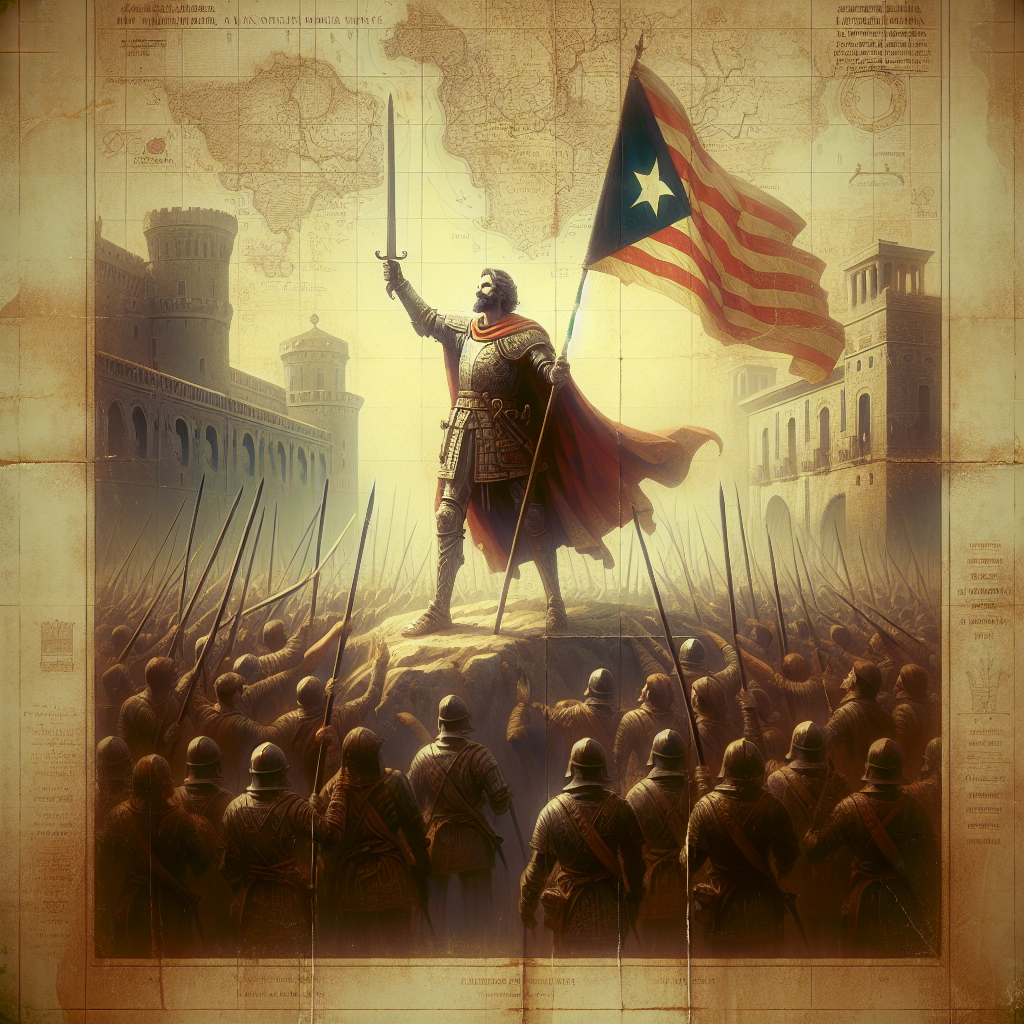

In a world imbued with the dynamism of change, where cultural and scientific evolution seem to march hand in hand, few individuals captivate our interest as much as Justí Guitart i Vilardebó. Known as the Bishop of Urgell from 1920 until his passing in 1940 and a steadfast religious figure during the tumultuous years of the Spanish Civil War, Guitart's influence loomed large across the ecclesiastical and educational landscapes of Catalonia. But what truly made him a beacon of inspiration was the bridge he built between faith and education, demonstrating their synergistic potential to uplift human spirit and intellect alike.
Justí Guitart i Vilardebó was born on December 16, 1875, in the vibrant town of Barcelona, Spain—a hotbed for cultural flowering and intellectual curiosity. With a smile that could light up a room, Guitart pursued his inner calling with exuberance and was ordained as a priest in 1899. His commitment to spiritual and social advancement propelled him swiftly through the ranks of the Catholic Church, culminating in his appointment as Bishop of Urgell—a title that positioned him not just as a religious leader, but also as one of the two Co-Princes of Andorra, blending diplomacy with doctrine.
The 1920s and 30s were undoubtedly periods of idiosyncratic trial and tribulation across Europe, and Spain was no exception. Amid the political and social upheavals, Guitart tenaciously championed education. He fervently believed that education was the keystone to personal and societal growth, echoing the timeless sentiment that knowledge is power. He played a key role in fostering educational institutions, supporting parish schools, and encouraging the training of skilled clergy who could, in turn, enlighten those around them.
During his tenure, Guitart witnessed firsthand the devastating impacts of the Spanish Civil War, which spanned from 1936 to 1939. Amidst the chaos, he remained a resilient bastion of hope and optimism, bound by his unwavering faith in humanity's ability to rise above adversity. In fact, it was in these darkest hours that his personality shone the brightest. Instead of surrendering to the despair surrounding him, he showcased profound, unstinting courage and extended refuge to those persecuted by the conflict. His actions were a persuasive testament to the power of peaceful resistance and unparalleled compassion.
Understanding Guitart's life and legacy necessitates an examination not only of his immediate actions but also of his enduring impact on human societies. His era was one characterized by seismic shifts in social norms and ideologies, and he left an indelible mark on the religious community and broader society by weaving together threads of tolerance, unity, and intelligence. His work ensured that even in post-war landscapes, seeds of rejuvenation could blossom.
Guitart's story, though set against the backdrop of religious and social turmoil, offers us invaluable insights into the human condition. It compels us to question our own definitions of leadership, service, and education. How might we foster a world where knowledge serves as both light and guide, where science and faith coalesce into a harmonious dance of understanding? Such legacies, built by individuals like Guitart, hold the key.
While the modern world continues to grapple with its own share of challenges, the lessons gleaned from historical figures such as Justí Guitart i Vilardebó remind us of the potent potential for synergy between various facets of society. In these lessons lies a roadmap for the future—a document not bound by time or place but by the universal aspirations towards learning, growth, and harmony. It prompts us to embrace scientific inquiry with optimism, to ensure that crisp knowledge translates into wisdom and compassion.
The narrative of Guitart's life resonates through time precisely because of its intricate weave of humility, benevolence, and a resolute thirst for knowledge—even in the face of adversity. Through his eyes and actions, we gain a more profound appreciation of both our shared past and the possibilities for the future that lie ahead. He inspires us to remain avid learners, to dissect complexity with enthusiasm and clarity, and to extend love, understanding, and intelligence to every corner of the world. In that success, as history has shown us time and again, lies the breadth of human achievement and the depth of human empathy.