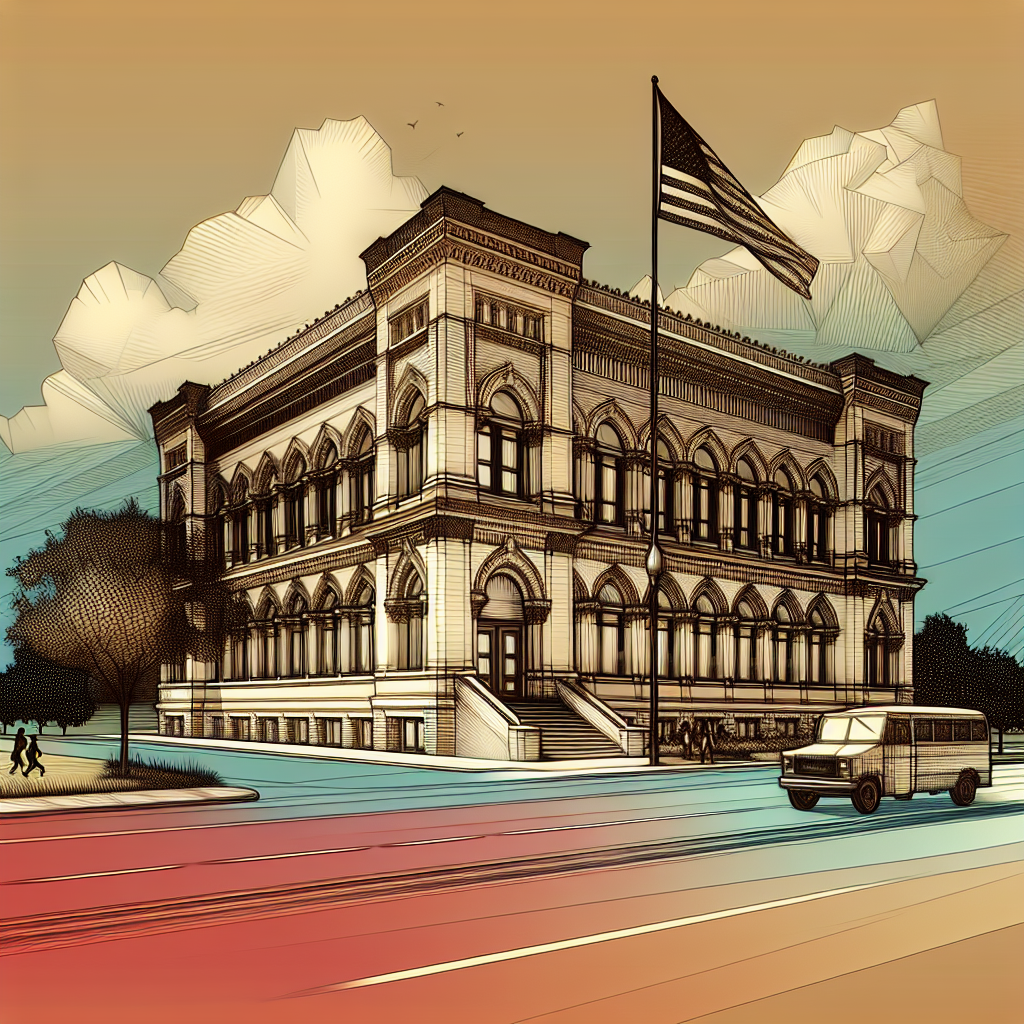

Unlocking the Mysteries: The Captivating Stories of the IOOF Temple Building
Have you ever stumbled upon a building that whispers tales of secret gatherings and age-old traditions? That's right—you might just be looking at an IOOF Temple Building. What, you might ask, stands behind these initials and walls? The Independent Order of Odd Fellows, a fraternal organization deep-rooted in principles of friendship, love, and truth, established these architecturally intriguing structures across America primarily during the late 19th and early 20th centuries. Whether you're wandering down a street in a bustling city or exploring hidden corners of quaint towns, these temples are a testament to a fascinating blend of history, community, and architecture, waiting to be uncovered.
The Who and What of IOOF Temples
The IOOF, or the Independent Order of Odd Fellows, was founded in 1819 in Baltimore, Maryland. This fraternal organization sought to improve and elevate the character of mankind, establish community ties, and offer charitable support. By the late 19th century, the IOOF had expanded vastly, necessitating a space that could accommodate meetings, serve as a community hub, and carry out philanthropic activities. This was when the IOOF Temple buildings began to spring up across the United States.
While the term "temple" might conjure imagery of the divine, these buildings were secular with a strong taste for symbolism and ritual—a hallmark of fraternal orders. Typically constructed with a certain grandeur, these edifices were often designed in the Beaux-Arts, Greek Revival, or Romanesque architectural styles, adorned with elaborate facades and intricate interior designs. The IOOF temples weren’t merely ceremonial—they were multipurpose halls, housing events from weddings to town meetings.
Tracing the Temple's Time and Space
During the peak of its prominence in the early 20th century, the IOOF boasted millions of members across the United States, necessitating not just a number of temples, but spectacular ones. These temples were often the epicenter of small-town life, reflecting optimism, community spirit, and a commitment to social welfare.
In urban centers, IOOF temples served as lodges and meeting places for members of the organization. Yet, despite their intention and utility, many have evolved over time. Some buildings have been lovingly preserved, shining as community centers or museums, while others have transformed into event spaces, offices, or apartments. Each adaptation whispers its unique story, marked by transitions from past to present.
Why These Structures Matter
The importance of the IOOF Temple Buildings is unmistakable—they symbolize a past fervor for community and philanthropy, an optimistic belief that people from varied walks of life could come together for charitable ends. They stand as monuments to a time when community life revolved not around screens but faces, voices, and shared undertakings.
The IOOF managed something truly remarkable: emphasizing human kindness and mutual aid in architecture itself. Their very existence prompts a moment of optimism for our present-day society, urging us to consider how past values might inspire our current community bonds and civic pursuits.
Architectural Wonders
Among the most exciting aspects of the IOOF Temple Buildings is their architecture. Imagine entering through grandiose arches, being greeted by stained glass windows shimmering with ancient symbols or stepping on richly adorned mosaics that tell their own stories. The design ethos ranged from classical to innovative, often featuring large halls for gatherings, auditoriums with intricate woodwork, and spaces that enabled both formal rituals and larger public events.
One could say these buildings were the social media platforms of their era—savvy social centers where topics from daily grievances to philosophical debates were seeded. Captured within these walls are echoes of laughter, debates, and, most importantly, community.
Rising Again
In recent years, there's been a resurgence of interest in restoring and repurposing these architectural treasures. Communities recognizing their historical value are making efforts to preserve the essence of these structures while adapting them for modern use. This resurgence highlights a timeless human trait—the desire to connect, to find meaning amidst the echoes of the past.
Modern developers, artists, and activists have often equated the restoration of these temples with urban rejuvenation projects. Whether it’s preserving murals inside for public arts initiatives or maintaining unique architectural features for cultural heritage designations, the IOOF Temples hold a cherished space in the dual dialogues of cultural preservation and urban development.
A Legacy of Humanity
So, what does the future hold for these enigmatic monuments? As we stand at the intersection of progress and history, the IOOF Temple Buildings remain poignant reminders of humanity’s inherent spirit—a celebration of community, creativity, and care for our fellow beings, wrapped beautifully under the umbrella of architectural innovation.
As we continue to learn and grow, we draw from the wellspring of history, blending knowledge with empathy, and optimism. The IOOF Temple Buildings are much more than bricks and mortar—they are stories, etched in time, urging us to explore, to build bridges, and more importantly, to understand and embrace the nuances of a shared human experience. There's so much more, just waiting to be discovered, and that's what truly makes learning and sharing these stories both exciting and essential!