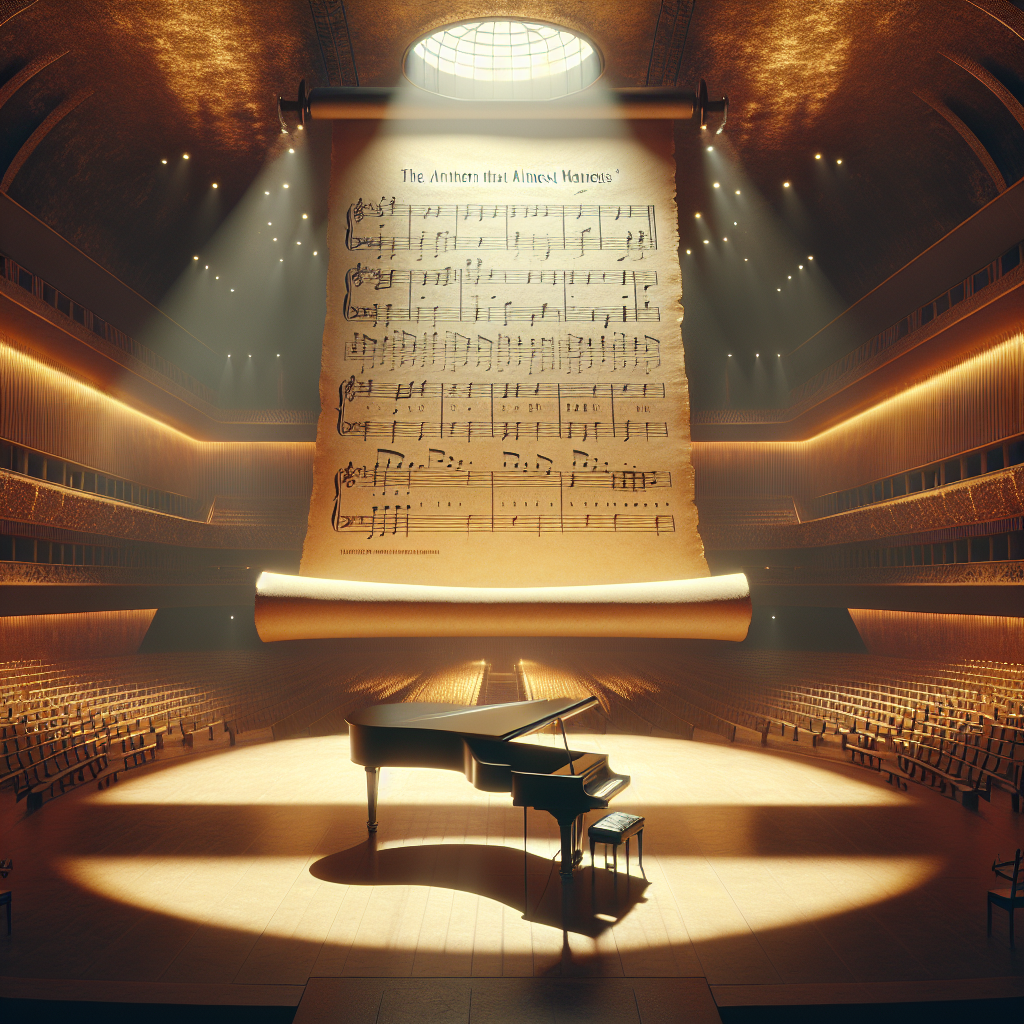

What if a song could embody the spirit of global cooperation and peace? Such is the ambitious melody of the 'Hymn to the United Nations,' a piece rich in history and hope. Composed by the esteemed Pablo Casals with lyrics by W.H. Auden, this hymn was first performed on October 24, 1971, at the UN headquarters in New York City. The hymn's creation coincided with United Nations Day, aiming to symbolize unity and celebrate international collaborations.
The Birth of a Hymn: A Note from History
The 'Hymn to the United Nations' was born at a time when the world was trying to heal from the scars of past conflicts, and the United Nations sought to stand as a beacon of peace and cooperation. Pablo Casals was a distinguished cellist and conductor from Spain, famous for his profound impact on both music and human rights. W.H. Auden, one of the 20th century’s most significant poets, was tasked with encapsulating the ethos of the United Nations in verse. Together, they crafted a piece that would go on to inspire many, capturing the hopeful yet cautious optimism of the time.
Casals, at 94, was invited by UN Secretary-General U Thant to contribute a musical piece for the organization. His response was an uplifting melody that hearkened back to his lifelong commitment to harmony—both musical and political.
Lyrics that Unite: Auden’s Poetic Craft
W.H. Auden, the wordsmith behind the hymn’s lyrics, brought to the task his formidable skill in weaving together language that could resonate across cultures and nations. The text speaks to humanity's shared journey and the collective aspirations of a global society. Auden's words emphasize unity, peace, and the mutual responsibilities of people from every corner of the earth.
The collaboration between Casals and Auden illustrates a fascinating intersection between music and poetry, showing how art can transcend numerous boundaries, including those of language and culture.
Beyond Borders: The Music of Peace
Music, as a universal language, has long been a means of bringing people together, surpassing linguistic and cultural divides. The 'Hymn to the United Nations' follows this tradition, offering not just an auditory experience but also serving as a bridge among nations.
Casals wrote the hymn in the key of C major—a bright, open key that often conveys clarity and hopefulness. This musical choice reflects the positive spirit of the United Nations and its mission. Despite the complexities of international relations, music provides a simple, poignant reminder of our shared human experience.
The Legacy of the Hymn: Still Relevant Today
Though it was introduced over five decades ago, the 'Hymn to the United Nations' remains as relevant today as it did when it first echoed through the General Assembly hall. The themes of peace, global unity, and shared responsibility are timeless and continue to challenge us all to work towards a more harmonious world.
In recent years, with the global stage set against the backdrop of environmental issues, economic challenges, and social upheavals, this hymn calls on us to remember the importance of unity and collaboration. It serves as a potent reminder that the ideals expressed in music and poetry can motivate real-world action.
Harnessing Harmony: A Call to Action
As we listen to the 'Hymn to the United Nations,' whether for the first time or the hundredth, we are invited to reflect on how we can contribute to the ideals that this piece stands for. Every note and word encourages us to better understand each other, to foster tolerance, and to collaborate creatively toward common goals.
The arts have always been a powerful form of expression and a conduit for change. Through this hymn, Casals and Auden have added their voices to the call for world peace and mutual understanding—a call that resonates as strongly now as it ever did.
Let us remain optimistic and continue to learn from one another, building a future where international cooperation can ensure a peaceful and productive coexistence for all humanity. Like scientists eagerly unraveling the secrets of the universe, we must persist in breaking down the barriers that divide us, led by the inspiring notes of unity contained within the 'Hymn to the United Nations.'