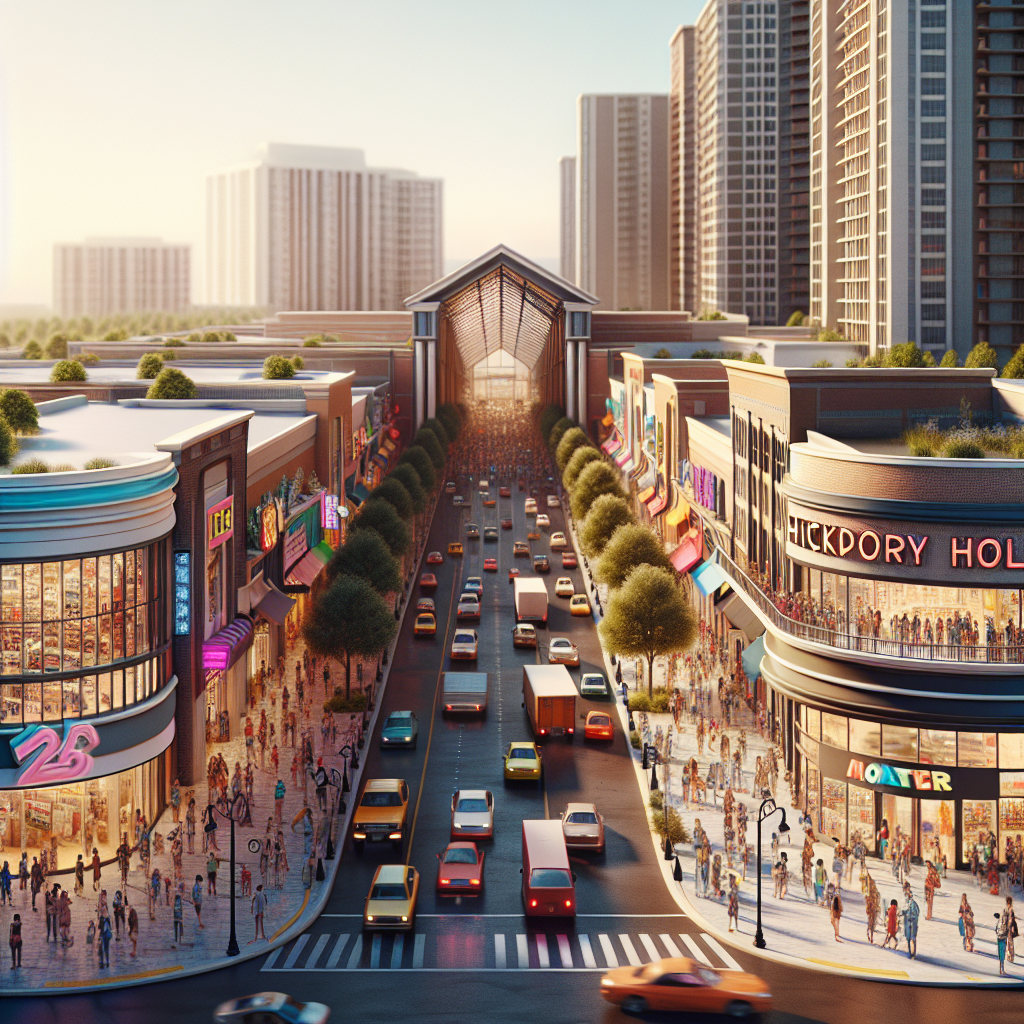

The Rise and Fall of Hickory Hollow Mall: A Retail Tale
Once a bustling hub of commerce and community, Hickory Hollow Mall was the place to be in Antioch, Tennessee, when it opened its doors in 1978. Developed by the prolific Edward J. DeBartolo Corporation, this shopping center was a beacon of retail innovation and consumer excitement. Located just outside Nashville, it quickly became a regional shopping destination, drawing in crowds from all over the area. But what led to its eventual decline, and why did this once-thriving mall become a symbol of the changing retail landscape?
Hickory Hollow Mall was a product of its time, opening during an era when shopping malls were the epicenter of suburban life. It featured over 1.1 million square feet of retail space, housing major department stores like Sears, Dillard's, and JCPenney, alongside a variety of specialty shops and eateries. The mall was not just a place to shop; it was a social gathering spot, a place where families spent weekends, and teenagers hung out with friends.
However, as the years went by, the retail environment began to shift. The rise of e-commerce, changing consumer preferences, and the development of newer shopping centers contributed to a decline in foot traffic. By the early 2000s, Hickory Hollow Mall was struggling to maintain its relevance. Anchor stores began to close, and vacancy rates soared, leading to a domino effect that saw smaller retailers leaving as well.
In 2012, the mall was rebranded as Global Mall at the Crossings, in an attempt to revitalize the space by focusing on international and local businesses. Despite these efforts, the mall could not recapture its former glory. The changing dynamics of retail, coupled with economic challenges, made it difficult for the mall to compete with online shopping and newer, more modern retail experiences.
Today, the site of Hickory Hollow Mall is undergoing a transformation. The Metropolitan Government of Nashville and Davidson County has taken steps to repurpose the space into a community hub, with plans for a library, community center, and other public amenities. This shift reflects a broader trend of reimagining former retail spaces to serve new purposes, adapting to the needs of the community in innovative ways.
The story of Hickory Hollow Mall is a fascinating chapter in the history of American retail, illustrating the rise and fall of shopping malls across the country. It serves as a reminder of how quickly consumer habits can change and the importance of adaptability in the ever-evolving world of commerce.