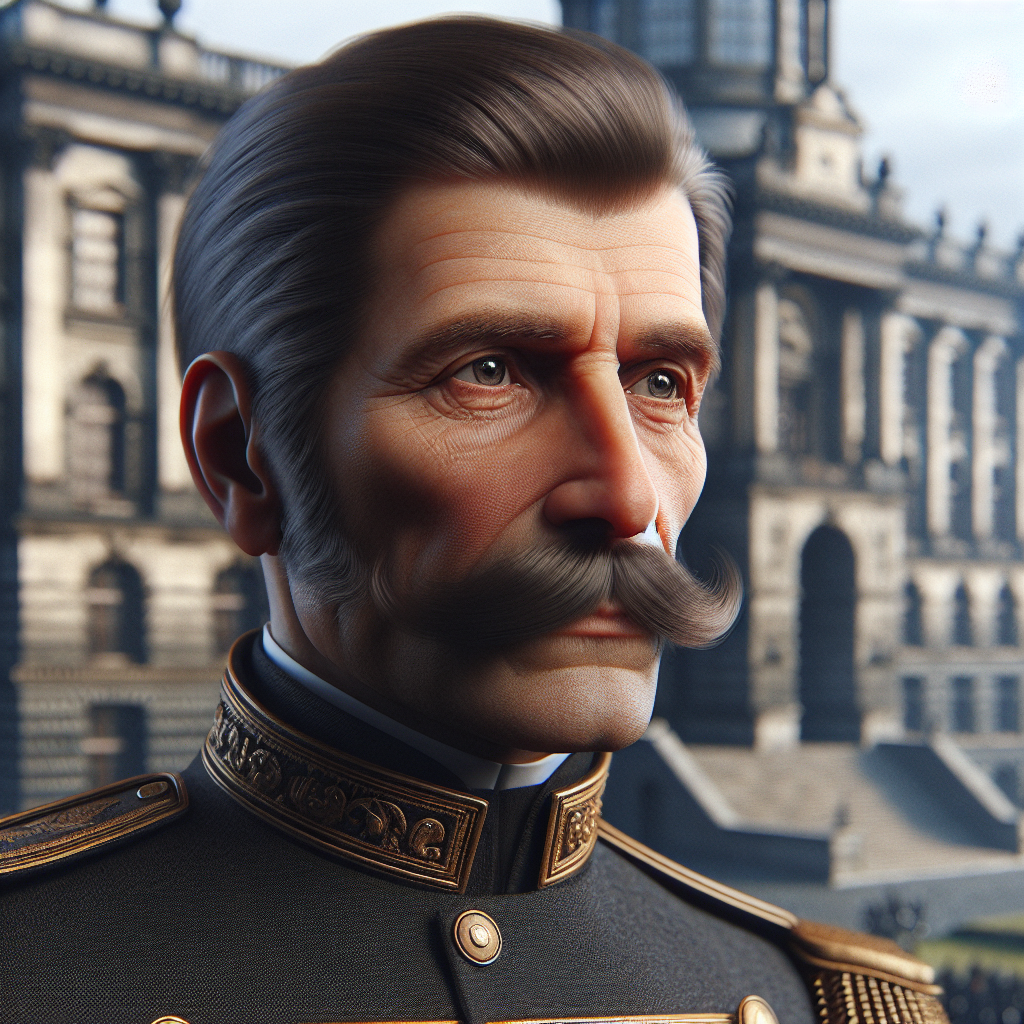

Herbert von Bismarck: The Diplomat with Dynastic Duality
What’s it like to walk in the shadow of a historical giant yet shape global affairs? The life and career of Herbert von Bismarck answer this fascinating question. As the elder son of the formidable German Chancellor, Otto von Bismarck, Herbert was both spurred by and constrained by his father's towering legacy. Born in Berlin in 1849 and thriving in the intricate landscape of European politics, Herbert von Bismarck was a diplomat and politician who played a crucial role in the affairs of late 19th-century Germany. Why should we care about Herbert amidst the storied Bismarck family saga? Because understanding his life offers profound insights into Europe’s turbulent political evolution, the complexity of dynastic pressures, and the undying human aspiration for distinction.
Herbert von Bismarck’s life was significantly influenced by the era in which he lived—a time when Europe was teetering on the brink of modernity and brimming with national aspirations. Born on December 28, 1849, in Berlin, Herbert grew up as part of the Prussian elite, during an era of political revolution and transformation. As the world gradually entered the 20th century, national alliances and geopolitical intrigues defined the diplomatic landscape, and Herbert played a pivotal role as both an ally and an architect within the German Empire’s foreign affairs.
The Formative Years: Influence of a Giant
Living under the formidable shadow of Otto von Bismarck, often known as the “Iron Chancellor,” provided Herbert more than a handful of challenges and accomplishments. Educated at prestigious German institutions and joining the Prussian Army in 1866, Herbert quickly followed his father's path but was unforeseen by many to forge his own. Otto’s influence as a political mentor and disciplinarian left an indelible mark on Herbert's life choices and career trajectory. But while the young Bismarck experienced the heavy burden of expectation, he also enjoyed unparalleled access to political networks and insights during a time when Europe was in a constant state of flux.
Herbert’s relationship with his father was complex, marked by both reverence and rebellion. Otto’s expectation of excellence saw Herbert entering the Foreign Office in 1874, embarking on a career path preordained by his father's diplomatic supremacy. It was a path filled with intensity, where Herbert learned the Machiavellian art of diplomacy from a master of the genre. Despite familial tensions, Herbert remained loyal, standing beside his father during numerous political trials.
Diplomatic Endeavors: Shaping German Foreign Policy
While Herbert von Bismarck is often seen as ensconced in his father’s legacy, his own contributions to German diplomacy shouldn't be underestimated. Herbert was Secretary of State from 1886 to 1890, during which he was instrumental in brokering several key alliances. One notable instance of his diplomatic skill was his involvement in the renewal of the reinsurance treaty with Russia in 1887, a move pivotal for maintaining peace in the fraught European theater.
Always with a keen eye on the prize of stabilizing Germany's geopolitical interests, Herbert von Bismarck was closely involved with his father in ensuring the Franco-Russian relations remained diplomatically supervised, largely so they did not spill into alliances detrimental to German interests. But despite his prowess, Herbert’s era in power was still largely driven by his father's monumental shadow, a reality that sometimes inhibited his personal political developments.
Personal Life: Trials and Tribulations
Herbert von Bismarck's personal life was as intricate as his political career. Marrying Countess Marguerite Hoyos in 1892, Herbert embarked on a domestic life that saw him fathering five children. However, his later years were colored by enduring the decline of the Bismarck influence after Otto’s resignation and a complicated relationship with governmental powers that saw him retreat from the political arena.
Though his father’s passing in 1898 marked an end to the elder Bismarck’s political dynasty, Herbert remained a deeply influential figure until his own passing in 1904 in Friedrichsruh. His life serves as a canvas demonstrating the fascinating interplay between personal aspiration, familial expectation, and political ambition. Herbert's narrative is gripping, not because he bore the Bismarck name, but because of what he did with it.
Legacy and Historical Perspective
Herbert von Bismarck's story is a captivating exemplification of a pivotal period in European history. Though often overshadowed by the towering legacy of his father, Herbert navigated a complex political landscape with both adeptness and caution. His career underscores a transitional moment in European diplomacy—from the consolidation of the German Empire to the whispering onset of the seismic shifts that would lead into the 20th century.
Herbert von Bismarck’s life presents an invaluable lesson in the interplay of legacy and ambition, duty and desire, parental shadow and personal light. As we explore the contours of this intriguing personality, we are reminded that history is not just shaped by singular monoliths, but by the intricate, deeply human narratives of those who lived in extraordinary times.
Herbert von Bismarck might not be as famous as his father, but his role in the diplomatic affairs of his time surely warrants a thoughtful reflection. In understanding his life, we gain a richer comprehension of the human stories that create the backdrop to history’s grander narratives.