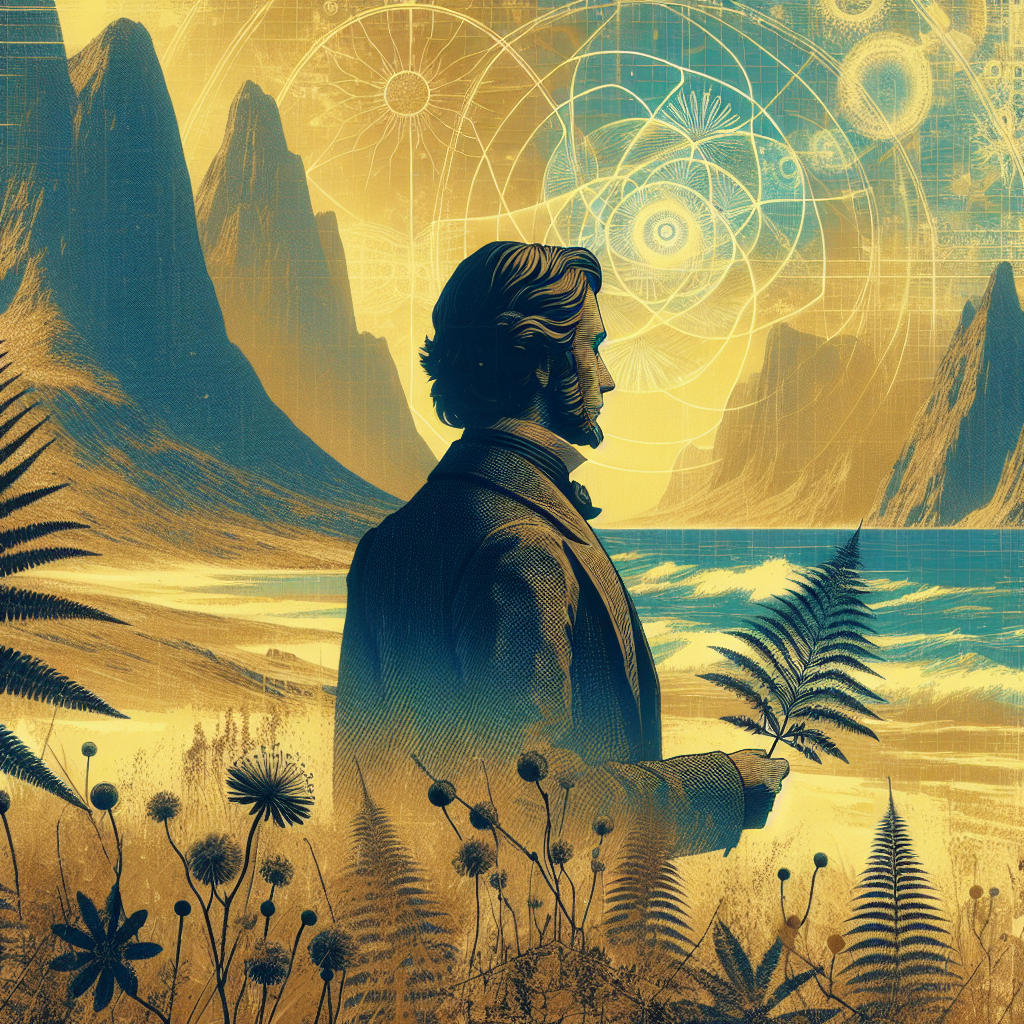

Let’s Dive into the Natural World of Henry Philemon Attwater
Picture this: a young boy in the mid-19th century, eyes wide with wonder as he wanders the lush wilds of England, collecting plants and insects with infectious enthusiasm. Who could have imagined that this boy would one day become Henry Philemon Attwater, a pivotal figure in North American natural history? Born in England in 1854 and perpetually curious about the natural world, Attwater would eventually leave a legacy that still resonates in the realms of conservation and environmental understanding.
Unwavering Curiosity and Migration to North America
Growing up at a time when natural sciences were blossoming into a more communicative and public domain, Attwater developed an understanding of and appreciation for the entwined wonders of biology and ecology. His early experiences in England only kindled his desire to explore further. In seeking broader horizons, he moved to North America in the 1870s, where he found a rich tapestry of new ecosystems to study firsthand.
Imagine a landscape teeming with largely undocumented species, from the prairies to the woodlands of what is now modern-day Texas and Alberta. Attwater plunged into his work, meticulously documenting flora and fauna. His scientific optimism was contagious, as he believed education was the key to nature preservation—a revolutionary concept at the time.
The Texas Era and Uncovering New Species
Arriving in Texas, Attwater's work began to revolve around cataloging the state's biodiversity. At a time when human expansion posed a challenge to natural habitats, his mission took on a renewed urgency. Within the complex world of the Texas countryside, he discovered several new species, many of which bear his name today, such as the Attwater’s Prairie Chicken. This particular bird, now considered endangered, is a symbol of both the diversity Attwater celebrated and the fragility he warned about.
While Attwater was collecting samples and composing detailed sketches of newfound species, he was also advocating for conservation efforts. His enthusiasm for discovering and cataloging life forms was balanced by a deep apprehension for the deteriorating natural habitats. This balance between celebration and concern was a hallmark of his work and character.
Bridging Science and Public Understanding
It’s fascinating to consider how Attwater translated complex scientific ideas for a wider audience. He wasn’t content with merely documenting findings for academics; he actively sought to educate the public, recognizing that knowledge was the key to change. He wrote articles for journals and newspapers that captured the imagination of everyday readers, brightening dull pages with his explorations and findings.
His ability to break down complex subjects into easily understandable text became his signature strength. From intricate descriptions of new bird species to detailed examinations of ecosystems, Attwater’s writings not only informed but inspired. His scientific optimism was infectious, seeding a newfound appreciation for North America's natural wealth in his readers.
Attwater's Legacy and Conservation Achievements
In an era before modern ecological conservation became mainstream, Attwater was a pioneer. He envisioned a future where humanity treasured nature not just for its utility but for its intrinsic wonder. He was ahead of his time, advocating for preserving species by understanding their role in broader ecosystems.
One of his lasting contributions was the emphasis on the interdependence of species—something we now call ecological networks. He understood that saving a single species was not enough; entire habitats needed protection due to their interconnected nature. This holistic approach to conservation was revolutionary and paved the way for contemporary environmental strategies.
Final Reflections on a Naturalist's Journey
So, what remains of Henry Philemon Attwater’s legacy today? More than just a name on taxonomic records, his legacy lies in the inspiration he gave to countless individuals who followed in his footsteps. His life reminds us that inquiry and curiosity can drive significant social and environmental progress. His teachings encourage us to look around at the natural world with fresh eyes and to cherish the intricate web of life surrounding us.
As we now grapple with new environmental challenges, Attwater’s life work serves as a guiding beacon. His story reminds us of the power of optimism combined with scientific endeavor. By looking back at his observations and insights, we can find new paths to protect and appreciate the world’s natural beauty.
Indeed, Henry Philemon Attwater’s life and work remind us to ask: What else does this vibrant planet have to offer if only we take the time to explore, understand, and protect?