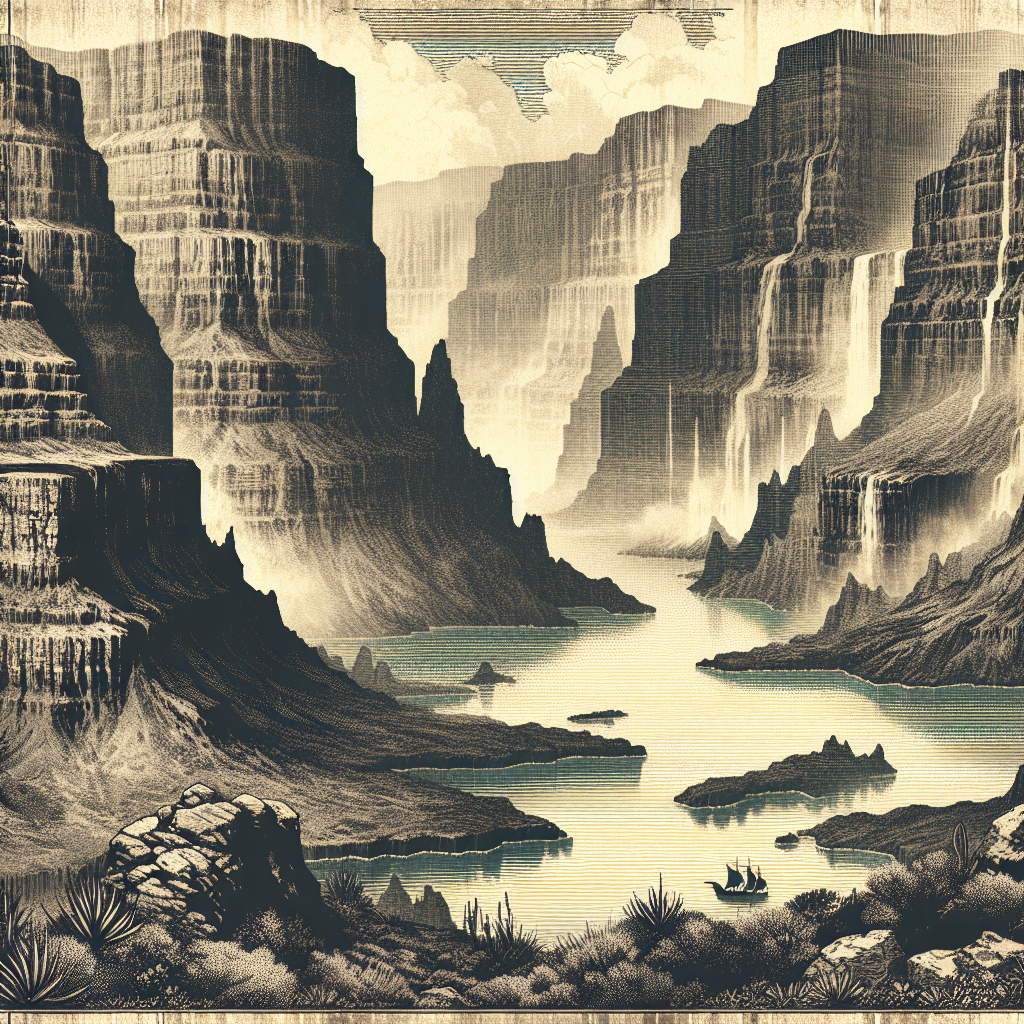


Imagine a grand underwater landscape that rivals the grandeur of the Grand Canyon and lies hidden beneath the shimmering waters of the Bahamas – this is the Great Bahama Canyon. An astonishing geological formation rich with scientific intrigue, it stretches a massive distance, making it one of the largest underwater canyon systems in the world. Encompassing areas such as the Tongue of the Ocean and Exuma Sound, this submerged wonder invites explorers and researchers alike to unravel its mysteries hidden beneath layers of azure.
Unveiling the Depths of the Great Bahama Canyon
The Great Bahama Canyon is not just a static landform; it's a dynamic and evolving part of our Earth's crust that plays a crucial role in oceanic systems and biodiversity. Located to the northeast and southeast of the Bahama Islands, the canyon is believed to have formed millions of years ago due to tectonic activity and sea-level changes. This majestic marine marvel is an intricate network of deep-sea valleys and ridges, carved out from the seabed.
The Science of Underwater Canyons
What makes the Great Bahama Canyon so fascinating to scientists is its unique geological and ecological characteristics. Like its terrestrial counterparts, underwater canyons are formed by a combination of sediment-choked currents, known as turbidity currents, and tectonic activities. These processes over eons have sculpted the ocean floor into dramatic shapes, providing an unparalleled opportunity to study geological processes in action. Furthermore, the canyon harbors a diverse range of habitats that host species adapted to its varying depths and unique environmental conditions.
Inhabitants of the Canyon
One of the standout features of the Great Bahama Canyon is its vibrant marine life. Teeming with biodiversity, the canyon's steep walls and floors provide a rich habitat for a myriad of species, from the smallest of plankton to large ocean fauna. Among its residents are the charismatic and endangered seals, graceful manta rays, and an array of colorful coral species, each playing a vital role in the marine ecosystem. This biodiverse hotspot is a testament to nature's adaptability and evolution at its finest, sparking both awe and curiosity in scientists and enthusiasts.
Understanding Its Role in Oceanography
The Great Bahama Canyon is not just a biological treasure trove but also a key player in global oceanographic systems. Ocean currents that sweep through the canyon influence everything from marine weather patterns to global climate shifts. As these currents move, they facilitate nutrient distribution, supporting the ocean food chain and affecting the world's climate networks.
In addition to ocean currents, the canyon's structure influences sediment flow and deposition, which has significant implications for marine geology and ecology. By studying these processes, scientists gain vital insights into natural climate rhythms, sediment cycles, and more.
Exploring Technologies
To unlock the secrets of this underwater marvel, researchers employ cutting-edge technology. Submersible vehicles, deep-sea ROVs (Remotely Operated Vehicles), and advanced sonar mapping technologies are all used to provide detailed imagery and data about the Great Bahama Canyon. From mapping intricate geological structures to capturing high-definition videos of its inhabitants, these technologies are our eyes and ears beyond the reach of divers.
The Human Connection
While its mysteries continue to inspire the scientific community, the Great Bahama Canyon also holds significance for humanity. Beyond its academic interests, preserving the Great Bahama Canyon is crucial for maintaining the natural balance of the surrounding oceanic and coastal environments. Efforts aimed at protecting this marine wonder from human activities, such as fishing and potential resource extraction, emphasize our responsibility as stewards of the Earth.
Protecting Our Oceans
As our understanding of marine ecosystems expands, so does our commitment to conserving these precious environments. Conservation efforts must focus on sustainable practices, protecting the habitat of threatened species, and ensuring the continued health of the canyon's marine life – a critical component in supporting biodiversity for future generations.
Conclusion
The Great Bahama Canyon is more than just an underwater spectacle – it is a living laboratory that provides vital insights into our planet's geological and biological processes. It's a dazzling illustration of Earth's dynamic nature and a poignant reminder of our collective responsibility to safeguard its wonders. As exploration and research continue, the Great Bahama Canyon stands as a beacon of natural beauty and a testimony to human curiosity and perseverance.