
Gaussia Attenuata Dynamics: A Botanical Odyssey
Imagine walking through a dense forest in Puerto Rico, where the greenery cascades like an emerald waterfall, soft whispers of leaves dance in the breeze, and amidst this captivating scene, you stumble upon the elusive yet graceful Gaussia attenuata. Also known as the Puerto Rican Gaussia Palm, this extraordinary tree belongs to the Arecaceae family and boasts a beauty that compels even the sun to linger a little longer on its slender trunk.
Who, What, When, Where, and Why of Gaussia Attenuata
Gaussia attenuata is a palm species endemic to the subtropical and tropical moist lowland and montane forests of Puerto Rico. The first records of this spectacular palm date back to when botanists began cataloging the flora of Caribbean islands, seeking to unravel the secrets of these lush landscapes. This palm thrives in fertile, well-drained soils and can often be found at elevations between 300 to 900 meters, where it stands proudly, reaching for the skies.
Why should we care about this island giant? This palm is not just a botanical curiosity; it's a symbol of ecological beauty and environmental importance. Although it doesn't make headlines every day, understanding Gaussia attenuata and its habitat brings us closer to appreciating the delicate balance of natural ecosystems and the role each species plays within them.
What Makes Gaussia Attenuata Unique?
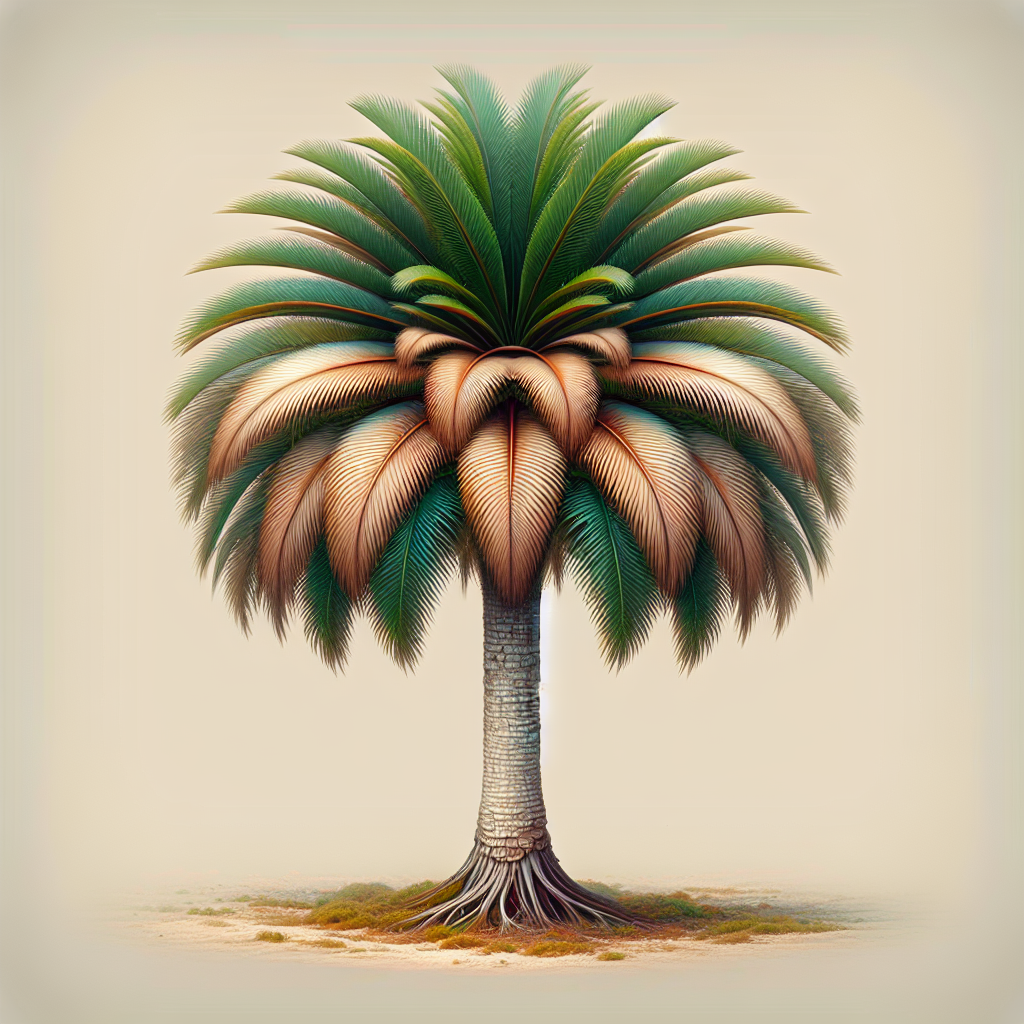
One of the most striking features of the Gaussia attenuata is its elegant, slender trunk that can grow up to 20 meters tall. Unlike other palms that prefer the bustling commotion of lower lands, this palm may choose the quieter solitude of montane regions, where it can comfortably rule its domain. The trunk is usually gray, lined with leaf scars that give it a beautifully textured appearance, almost like the aged bark of wisdom etched by time.
Its crown is no less spectacular; the pinnate leaves spread out in a grand fan, flaunting their lush, feathery fronds like a peacock displaying its plumage. At the top, the palm bears clusters of small, white flowers that transform into spherical, red-orange fruits, waiting to scatter seedlings and perpetuate the life cycle of this majestic plant.
The Ecological Role of Gaussia Attenuata
Beyond its aesthetic appeal, Gaussia attenuata plays a significant role in its ecosystem. As a canopy species, it provides shade and habitat for a myriad of organisms. Its fruits are a valuable food source for local fauna, prominently featuring in the diet of various bird species who help disperse its seeds.
Awaiting our scientific curiosity is the palm's ability to withstand the damp, salt-laden winds of its coastal prowesses. This resilience is a testament to its adaptability and highlights why palms, in general, have been a staple of tropical and subtropical habitats for millennia.
Conservation and Challenges
Yet, as with many endemic species, Gaussia attenuata faces challenges that threaten its existence. Deforestation for agriculture and urban expansion are primary culprits in reducing its habitat. Additionally, other invasive plant species can outcompete this palm, putting its future in peril.
Thankfully, conservation efforts are underway to protect this island native. Understanding and preserving its natural habitat ensures that Gaussia attenuata continues to enchant future generations with its regal presence. Initiatives by local governments and environmental groups aim to restore and conserve significant areas of Puerto Rican forests, which serve as the vital lifelines for the rich biodiversity they harbor.
A Symbol of Natural Resilience
For those of us who are fascinated by the interplay of plant life and ecological systems, Gaussia attenuata is more than just a plant. It's an emblem of the resilience of nature and the intricate networks that sustain life on Earth. In learning about its unique characteristics and challenges, we acknowledge the importance of each species and the collective effort required to protect our planet's natural heritage.
Each palm stance in the lush green cloak of Puerto Rico tells a story — of survival, beauty, and the subtle dance of light and shadow in its canopy. Mutely, it urges us to look closer and appreciate not just its grandeur but what it stands for in a world that values both progress and preservation.
In exploring the many lessons Gaussia attenuata offers, we gain insights into broader questions about our role as custodians of this planet. The survival of such a magnificent tree mirrors our own relationship with nature — one that calls for balance, respect, and, ultimately, love for the environment that gives us life.