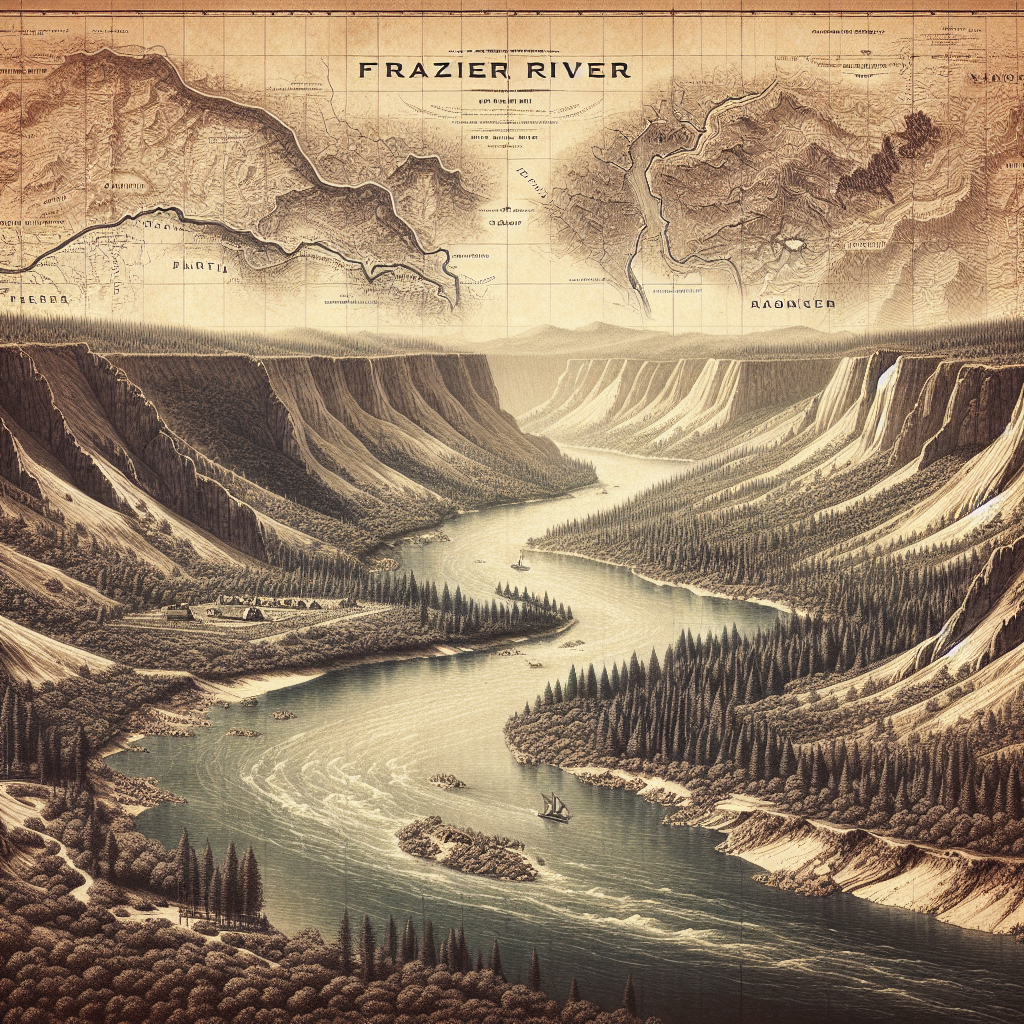

The Mighty Fraser River: A Canadian Natural Wonder
Imagine a river so vast and powerful that it has shaped the landscape and history of an entire region! The Fraser River, located in British Columbia, Canada, is one such natural marvel. Named after the explorer Simon Fraser, who navigated its waters in 1808, this river stretches over 1,375 kilometers (about 854 miles), making it the longest river in British Columbia and the fifth longest in Canada. The Fraser River's journey begins in the Rocky Mountains and winds its way through diverse ecosystems before emptying into the Strait of Georgia, near Vancouver. Its significance is not just geographical but also historical and ecological, as it has been a lifeline for Indigenous peoples, a route for explorers, and a habitat for a myriad of wildlife.
The Fraser River's basin is a treasure trove of biodiversity, supporting over 300 species of birds, 80 species of fish, and numerous mammals. Among its most famous inhabitants are the Pacific salmon, which undertake an epic migration to spawn in the river's tributaries. This annual event is crucial for the ecosystem, providing nutrients that sustain the surrounding forests and wildlife. The river's rich resources have also supported human communities for thousands of years. Indigenous peoples, such as the Sto:lo, have relied on the Fraser for fishing, transportation, and cultural practices long before European settlers arrived.
The Fraser River has played a pivotal role in the economic development of British Columbia. During the 19th century, the Fraser Gold Rush attracted thousands of prospectors, leading to the establishment of towns and infrastructure along its banks. Today, the river remains vital for industries such as fishing, forestry, and agriculture. It also serves as a major transportation route, with ports and shipping lanes that facilitate trade and commerce.
Environmental challenges, however, pose a threat to the Fraser River's health. Pollution, habitat destruction, and climate change are impacting its ecosystems and the communities that depend on them. Conservation efforts are underway to protect this vital waterway, with initiatives focused on habitat restoration, sustainable resource management, and pollution reduction. The Fraser River is not just a natural wonder; it is a testament to the resilience and adaptability of both nature and humanity. As we continue to learn from and protect this incredible river, we ensure that it remains a source of life and inspiration for generations to come.