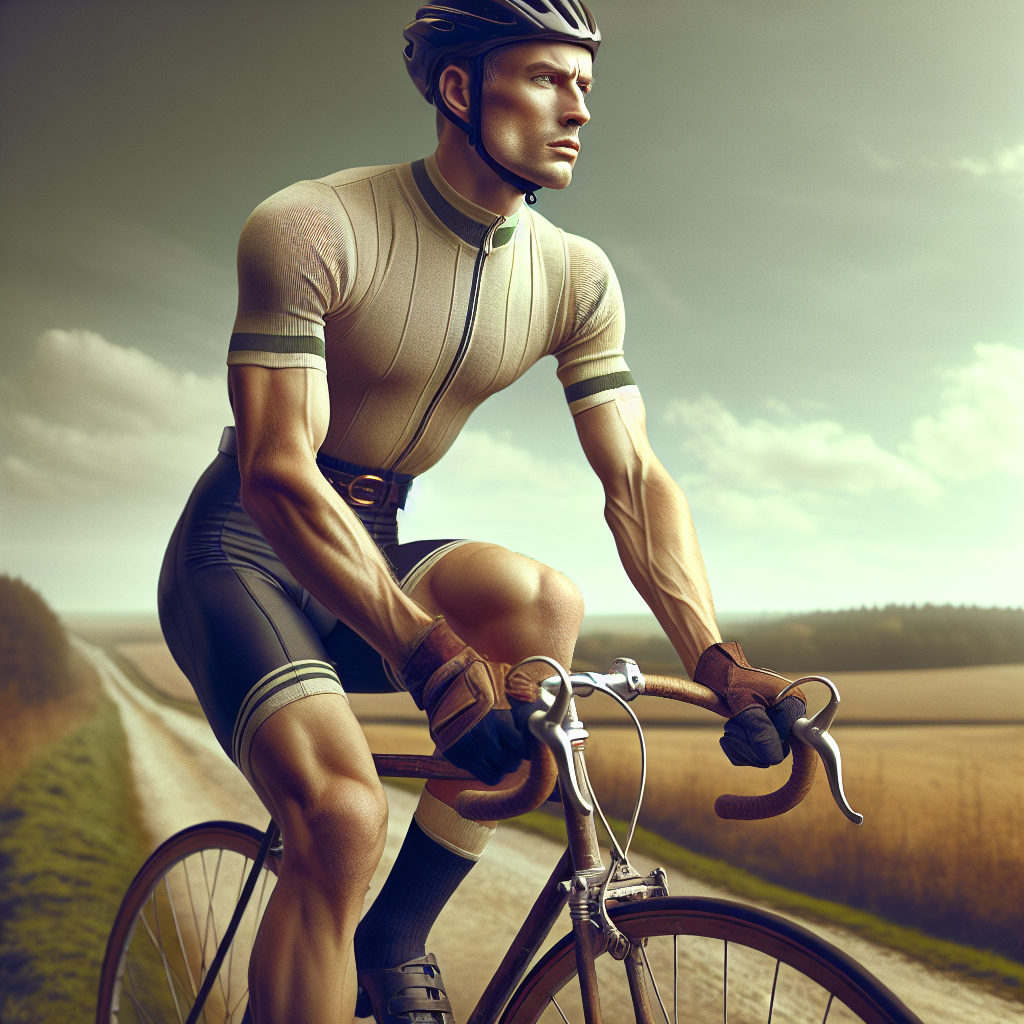

From the rise of the pedal-driven cycles in the late 19th century to the champion riders of the modern world, cycling has been a fascinating saga of human endurance and resilience. Central to this exhilarating history is a legendary Belgian cyclist, Frans De Mulder, whose brief but sensational career left an indelible mark on the sport. Born in Kruishoutem, Belgium, on December 17, 1937, De Mulder's thrilling journey through the realm of competitive cycling captured the excitement and imagination of cycling enthusiasts across the globe.
A Star is Born
Frans De Mulder burst onto the cycling scene in the late 1950s, a period when the sport was gaining momentum and found a growing global audience. What truly set him apart was his exceptional agility and relentless spirit, a winning combination that soon garnered him a series of victories. De Mulder's notable ascent began in earnest with his professional debut at just 21 years old. Astonishingly, within a brief period, he was rubbing shoulders with—and often defeating—some of the most prominent names in cycling.
The Pinnacle of Success: Vuelta a España 1960
The year 1960 was a watershed moment in Frans De Mulder's career. At a time when the Vuelta a España was establishing itself as one of the grand tours of cycling, De Mulder emerged victorious, forever etching his name in the annals of the sport. His triumph at the Vuelta wasn't just a testament to his physical prowess but also his strategic acumen. Throughout the race, De Mulder demonstrated an uncanny ability to read the field, manage his efforts wisely, and capitalize on every available opportunity. This win was no small feat and is still remembered as one of the most tactically astute performances in the event's history.
The Competitive Landscape
Understanding the era in which De Mulder competed adds an extra layer to appreciating his achievements. The competition at the time included cycling legends such as Jacques Anquetil and Federico Bahamontes. Despite the stiff competition, De Mulder managed to carve a niche for himself, and his climbs on mountainous routes became stuff of legends among fans and competitors alike.
Life Beyond the Bike
Upon retiring from professional cycling in the mid-1960s, De Mulder transitioned into a life beyond bikes. He returned to his native Belgium, where he invested in local businesses and continued to support and mentor young cyclists. His contribution to the sport, both on and off the bike, reflects a legacy of inspiring future generations. Despite stepping away from the limelight, his influence in Belgian cycling circles remained robust.
The Science of Cycling: Agility Meets Strategy
For those interested in the more technical aspects of cycling, De Mulder's success can be partially attributed to his mastery in race strategy and energy management, which are as crucial as physical endurance and speed. In De Mulder’s case, it was a keen sense of strategic conservation of energy during exhaustive multi-stage races that allowed him to stay fresh for pivotal moments—an approach that is still emulated by cyclists today.
The Renaissance of Frans De Mulder’s Legend
Fast forward to present times, the account of Frans De Mulder continues to inspire budding cyclists and sports enthusiasts worldwide. His ability to break boundaries, push limits, and navigate the complexities of competitive cycling serves as a vivid reminder of human potential. Reflecting on his career gives us an opportunity to appreciate not just the athletic excellence but also the transformational aspects of sports.
A Lasting Influence
There is a sense of optimism encapsulated in the story of Frans De Mulder: the power of spirit, the strength in strategy, and the impact of guidance. Current and future cyclists draw from the reservoir of his experience—his triumphs, strategies, and even his missteps. It’s a compelling testimony to how the legacy of sports champions transcends time and continues to shape the edges of human endeavor.
In the broader context of human history, Frans De Mulder is an example of how an individual’s passion and perseverance can leave a lasting beacon for others to chase after their dreams. It reminds us that while the trophies and titles are the tangible accolades, the enduring legacy lies in inspiring others.