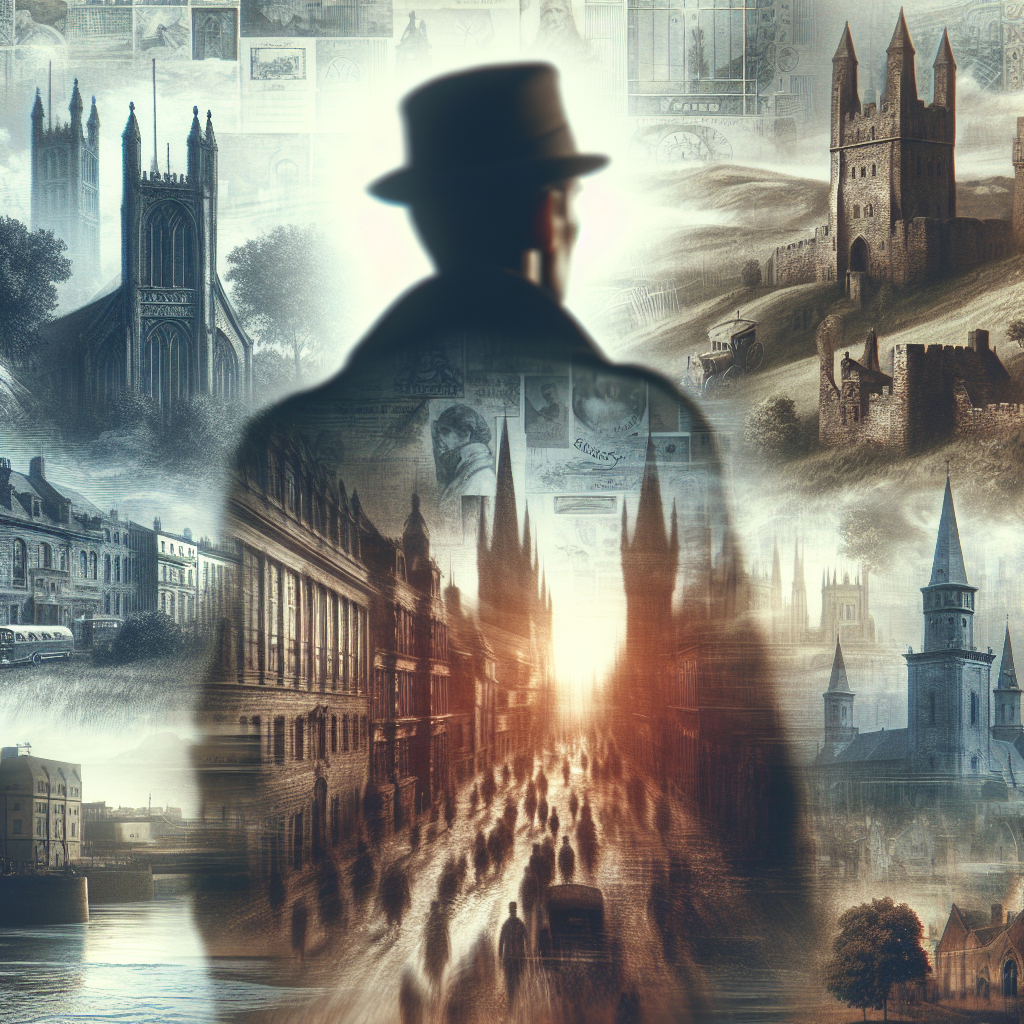

The Enigma of the Forgotten Man: A Journey Through Time and Society
Imagine a figure who has been both a symbol of neglect and a catalyst for change, a person who represents the overlooked and underappreciated members of society. This is the "Forgotten Man," a concept that has evolved over time to highlight those who are often left behind in the march of progress. The term was first popularized by the American economist William Graham Sumner in the late 19th century, during a period of rapid industrialization and social upheaval in the United States. Sumner's "Forgotten Man" was the ordinary citizen who bore the brunt of government policies designed to help others, yet received little recognition or assistance themselves. This idea has since been revisited and reinterpreted by various political and social movements, each time shedding light on different aspects of societal neglect.
The "Forgotten Man" concept emerged in the late 1800s, a time when America was undergoing significant transformation. Industrialization was reshaping the economy, and with it, the social fabric of the nation. Sumner, a Yale professor and social scientist, introduced the term in his 1883 essay, "What the Social Classes Owe to Each Other." He argued that while society often focused on helping the poor and disadvantaged, it frequently overlooked the average working individual who quietly contributed to the economy without seeking aid. Sumner's Forgotten Man was the taxpayer, the laborer, the person who played by the rules but was often ignored in policy discussions.
Fast forward to the 1930s, and the term took on new life during the Great Depression. President Franklin D. Roosevelt invoked the "Forgotten Man" in his speeches, but with a twist. For Roosevelt, the Forgotten Man was not just the taxpayer but also the unemployed and the destitute, those who had been left behind by the economic collapse. His New Deal policies aimed to address their needs, providing jobs and social safety nets to lift them out of poverty. This reinterpretation highlighted the flexibility of the term and its ability to adapt to the changing needs of society.
In contemporary times, the Forgotten Man continues to be a powerful symbol. Politicians and activists use it to draw attention to various groups who feel marginalized or neglected, whether they are rural communities, blue-collar workers, or other demographics that feel left out of the economic and social advancements of the modern era. The term serves as a reminder of the importance of inclusivity and the need to consider all members of society in policy-making.
The enduring legacy of the Forgotten Man lies in its ability to provoke thought and inspire action. It challenges us to look beyond the obvious and consider those who might be silently struggling. As society continues to evolve, the concept of the Forgotten Man will undoubtedly continue to adapt, reminding us of the importance of empathy and understanding in building a more equitable world.