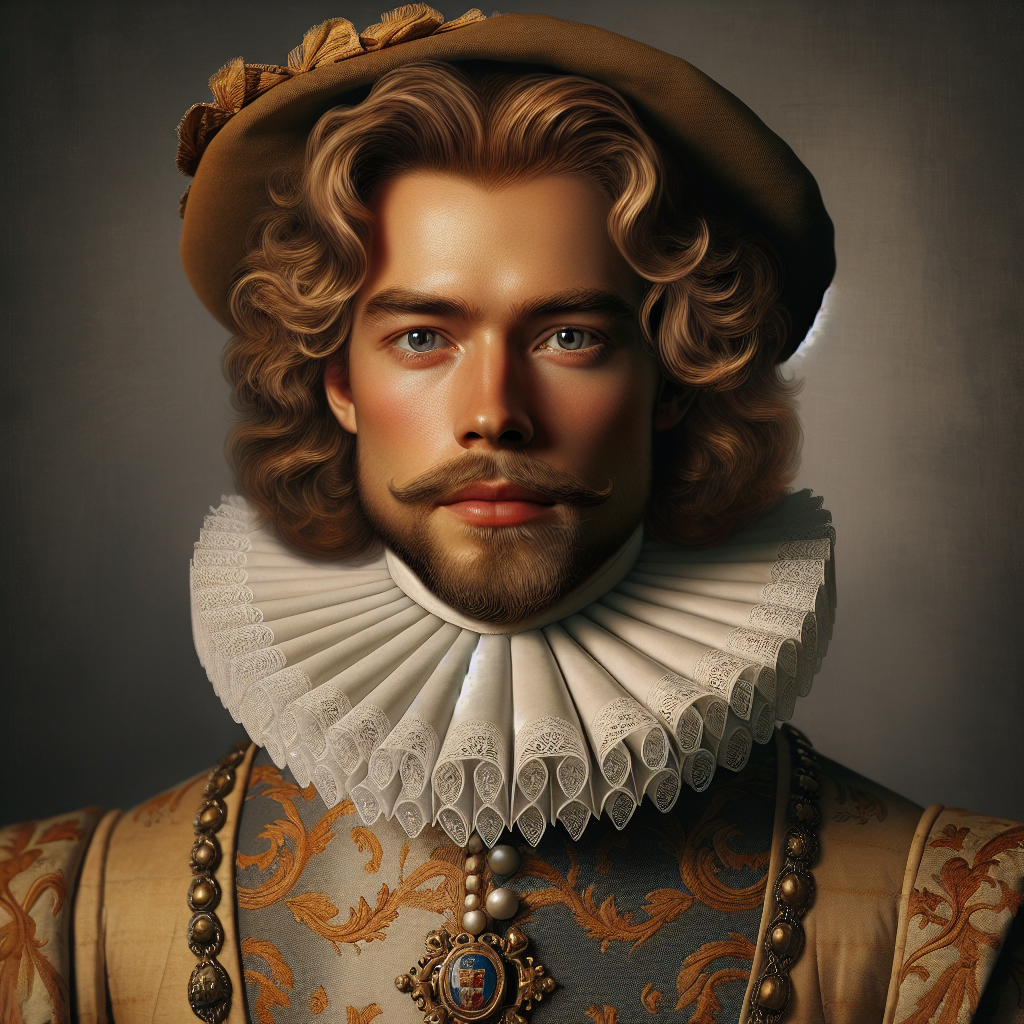

When you think of the world's most eccentric titles, 'Earl of Sunderland' probably isn't the first that springs to mind, but behind it lies the curious tale of Emanuel Scrope, a figure steeped in the historical tapestry of 17th-century England. Emanuel Scrope, 1st Earl of Sunderland, lived during a time marked by intense political and religious turmoil. Born around 1584, he was a pivotal nobleman, diplomat, and court official of the Stuart period. He danced through the courts of James I and Charles I, navigating the dangerous political landscape that was England in the early 1600s before his death in 1630.
A Journey Through Aristocratic Lineage
Emanuel Scrope was the child of Thomas Scrope, 10th Baron Scrope of Bolton, and descended from one of the most distinguished families in England. The Scropes had been significant players in English politics since the Middle Ages, their legacy stretching across time like an unbroken chain. This noble heritage won Emanuel the prestigious title of Earl of Sunderland, marking him as a main player on England's 17th-century political stage.
The Political Chessboard
Imagine a time when England was on the brink of transformation, teetering between monarchy and emerging parliamentary power. This was the world of Emanuel Scrope. Under the reign of James I, about whom it was said he had 'no war nor money,' Scrope learned to maneuver through the complexities of statecraft. As Treasurer of the Chamber, Scrope wasn't just holding titles; he was holding the purse strings of the royal court itself.
His political influence increased under Charles I, whose reign was fraught with tension and escalating conflicts with Parliament. Scrope found himself as part of the Privy Council—an intimate group of advisors to the king—having to gracefully tread through the turbulent water of loyalties and rivalries. This position put him at the heart of decision-making at a time when England's future was anything but secure.
The Art of Diplomacy and Decision Making
Scrope wasn’t just a player; he was a strategist. Even in an era where diplomacy often meant balancing personal ambition with national interest, Emanuel was renowned for his sagacity—a reputation bolstered by his intelligence and diplomatic finesse. History fondly remembers clever negotiators like Scrope, whose decisions have profound ripples across their realms. His cunning nature was demonstrated in his ability to navigate court politics, often described as a game of chess being played on a shifting landscape.
Scrope’s Tangled Web of Family and Fiefdom
On a personal level, Scrope's life was just as complex as his political endeavors. His marriage to Lady Elizabeth Manners tied him to another influential family, the Manners family being a powerful dynasty in their own right. Together, they had one daughter, who was recognized for her beauty and grace but would leave a more lasting legacy due to her intricate dowry settlements that impacted land holding and power balance.
Perhaps more captivating is Scrope's devout association with the Catholic faith during a predominantly Protestant period in England! His religious allegiance, always a contentious point, added layers to his interactions both at court and within his family life, exhibiting his unwavering commitment to his beliefs against overwhelming odds—a trait as admirable as his title itself.
Legacy of the First Earl of Sunderland
Emanuel Scrope passed away on 30 May 1630, leaving behind a legacy wrapped in both power and the often unseen intricacies of courtly life. As a critical actor in the grand drama of England's historical evolution, his influence is sometimes missed between the larger-than-life figures of James I and Charles I. Yet, it cannot be overstated that Emanuel Scrope helped lay wreaths of conventionalism through his deft command of aristocratic influence, leaving an indelible mark on the forthcoming political reformation.
The fascinating life of Emanuel Scrope should encourage us to reflect on the nature of power, influence, and legacy. Today, as we unravel the threads of history, we celebrate the achievements and struggles of figures like Scrope, whose life and times envelop the essence of change and continuity. Their stories remind us of the rich tapestry of humanity, driving us forward as we continue to broaden our understanding and appreciation of the past!