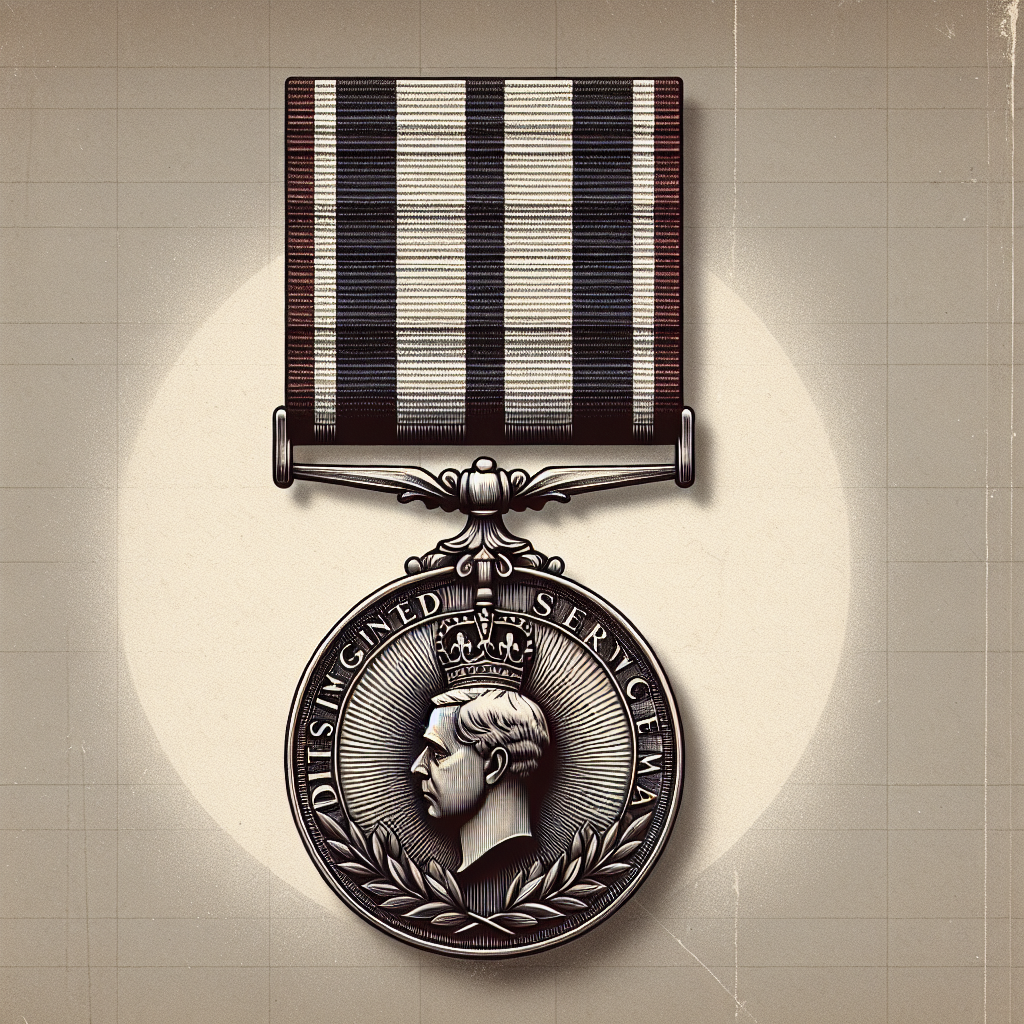

In the sea of military accolades, the Distinguished Service Medal (DSM) of the United Kingdom glistens like a beacon of valor and dedication. So, what is this prestigious decoration about? Who are granted such honors, and why does it hold such a revered spot in the hierarchy of military awards?
The DSM, established in 1914 by King George V, served as a recognition for the remarkable acts carried out by non-commissioned officers and ratings of the British armed forces. Originally instituted at the onset of World War I, this medal acknowledged those who showcased conspicuous gallantry or devotion to duty while engaged in the naval operations against the enemy. The when is crucial – it was during a time when bravery needed to be publicly celebrated to boost morale both on the battlefield and back home.
Forge of Valor: The Genesis of the Distinguished Service Medal
Arguably, the DSM was the result of a burgeoning need to formally acknowledge the sterling efforts of the British Naval forces, a backbone of Britain’s defense and an instrumental player in maintaining its status as a formidable empire. The recognition it conferred extended not only along the lines of a military hierarchy but also embraced the grassroots—the unsung heroes whose daring feats often went unnoticed.
In military parlance, non-commissioned officers and ratings refer primarily to those in the rank-and-file category—sailors who, without holding officer status, contributed significantly to naval operations with maximum tenacity and courage. The medal not only amplified the voices of those ‘below deck’ but also marked a transition towards a more inclusive recognition of valor irrespective of rank.
Design and Emblem: The Aesthetic Symbolism of Gallantry
The aesthetic representation of the Distinguished Service Medal carries its own narrative. Circular in shape and approximately 36mm in diameter, the medal's front showcases the effigy of the reigning monarch—personifying the royal endorsement and prestige associated with the award. On its reverse side, a laurel wreath encircles the words "For Distinguished Service"—emblazoning its purpose with beautiful simplicity.
Its ribbon, a profound symbol in itself, is a vibrant design incorporating two colors: a prominent navy blue, flanked by thin central white stripes. This color scheme pays homage to the naval insignia, emphasizing the deep maritime roots and traditions from which it stems.
Recipients: The Unsung Heroes
Intriguingly, while the DSM was predominantly awarded to personnel of the Royal Navy, there have been instances where members of other branches, like the Royal Marines and foreign military officers, received this decoration for exceptional service rendered in naval engagements. The diversity in recipients highlights the inclusive nature of the award, recognizing courage and devotion regardless of one's branch or nationality.
One moving narrative is of William Edgar Evans, a distinguished recipient who served with remarkable gallantry during the Second World War. Evans’ exemplary action in defusing unexploded bombs under direct enemy threat exemplifies the medal’s essence—distinguished service beyond the call of duty.
Why It Was Continued and Eventually Discontinued
The DSM was actively awarded until 1993 when it was replaced by a more unified system of military honors. This evolution marked a move towards consolidating numerous awards across different services into a cohesive structure overdue for simplification and modern relevancy.
The introduction of the Conspicuous Gallantry Cross and the Distinguished Service Cross, acting as equivalents meant for all ranks, ensured that the legacy of honoring bravery in operations was kept alive while adapted to modern military structure and requirements. This reform signifies an underlying, optimistic endeavor to represent gallantry across different military contexts and ranks without dilution.
Reflection and Legacy: Why It Matters
In retrospect, the Distinguished Service Medal represents more than a gilded accolade—it underscores humanity’s intrinsic need to commend, remember, and honor acts of exceptional bravery. Even as military recognition systems evolve, the essence of acknowledging distinguished service remains a constant.
For observers, historians, and recipients alike, the DSM manifests as a testament to the valor that Shores Britain's rich maritime past. Its existence serves as a reminder of the sacrifices made and the steadfast commitment of individuals who stand as guardians of peace.
In learning about the DSM, one can appreciate the intricate layers of human valor and audacity that shape the course of history. It is a glorious slagheap from which one recognizes not just the acts but the indomitable spirit of humanity’s willingness to stand for greater good, time and again.