
Nature’s Masterpiece: Dira Clytus, the Sun Loving Butterfly
Imagine discovering a vibrant, fluttering enigma in the grasslands of South Africa, a creature as captivating as it is complex. Meet the Dira clytus, a butterfly that not only paints the landscape with its vivid colors but also dances seamlessly through the corridors of time, grace, and evolution.
The elegant Dira clytus is a species within the Satyrinae subfamily, known for their subtle beauty and resilience. Found primarily in the temperate grasslands of South Africa, these butterflies are often observed during the late summer months, flitting joyfully from one grass tuft to another. Their habitat is unmistakable—the temperate, open grassy spaces provide the perfect backdrop for their lifecycle. But what makes this butterfly truly mesmerizing is not just its appearance, but its role in the ecosystem and the awe-inspiring adaptations it exhibits to survive.
The Allure of Dira Clytus
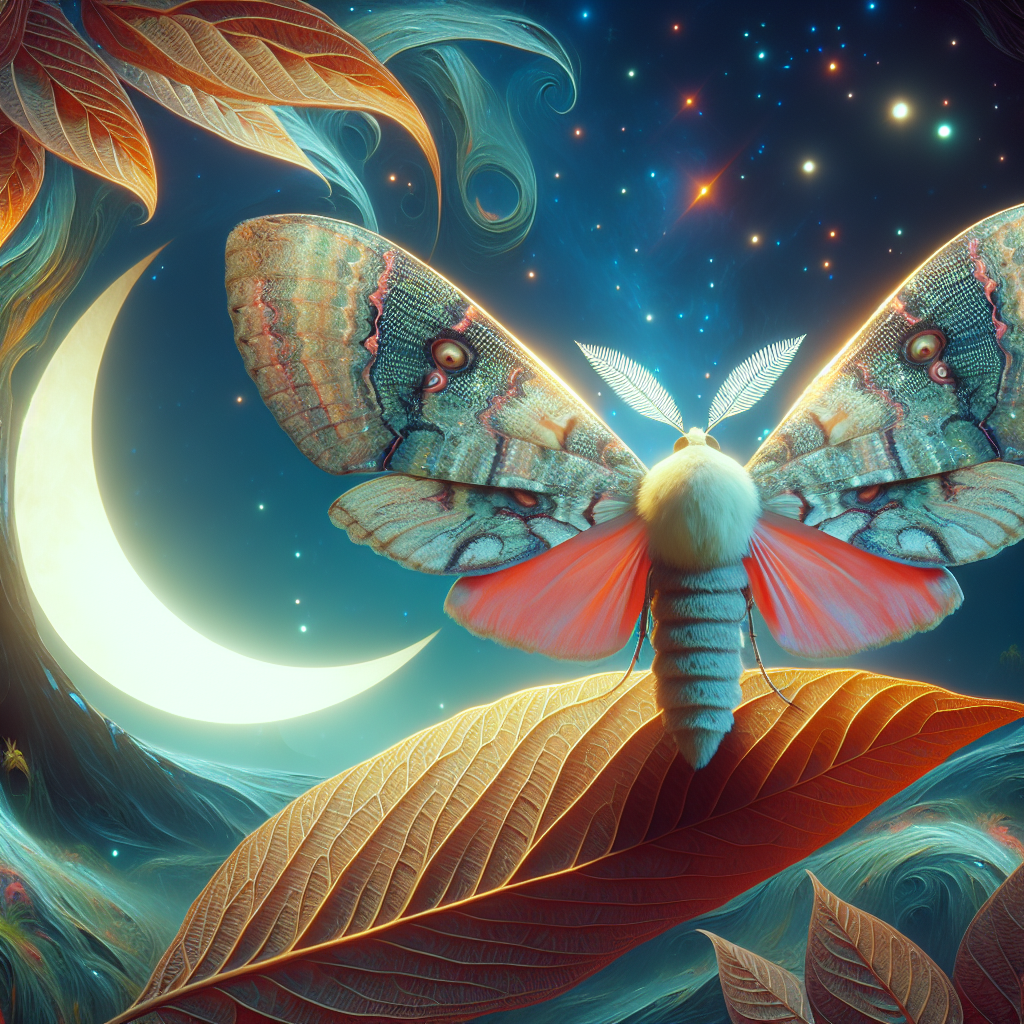
The first thing you notice about Dira clytus is its wings' striking contrast—the upper side is rich with dark, velvety browns and includes a series of eye-spots that seem to mimic a vigilant watchfulness. These 'eye spots' are more than just for show; they have evolved as a defense mechanism against predators—nature’s way of saying "look, but don't touch!" The underside of the wing is a muted brown, providing excellent camouflage when the butterfly is at rest. This dual functionality of the wings is a testament to the creative genius of natural selection.
A Life Cycle of Transformation and Tenacity
Like all butterflies, the life cycle of Dira clytus is an intricate journey of metamorphosis, from tiny egg to majestic flyer. After mating, the female lays her eggs on host grasses which will later serve as food for the larvae. The larvae, or caterpillars, exhibit a pale color pattern that makes them nearly invisible against the backdrop of the grass blades, allowing them to feed in relative safety.
The pupal stage is where the magic of transformation truly unfolds. Tucked away in a chrysalis, the caterpillar undergoes an extraordinary change, making a quantum leap from one form to another. Within a few weeks, a fully-formed butterfly emerges—ready to embrace the skies and perpetuate the cycle of life. This transformation is not just a beautiful process; it's a poignant reminder of life's resilience and the persistence of nature’s rhythms.
The Importance of Dira Clytus in Ecosystem Dynamics
One might wonder, why fuss over a humble butterfly like Dira clytus? The answer lies in biodiversity and ecological balance. Butterflies, including Dira clytus, play essential roles as pollinators. As these creatures sip nectar from one flower to another, they inadvertently help plants reproduce—ensuring plant diversity, which in turn supports a broad array of wildlife.
Moreover, their presence is an excellent bio-indicator of ecosystem health. A thriving butterfly population generally signifies a healthy environment, rich in resources. Conversely, a decline may suggest ecological imbalances, prompting scientists to investigate potential environmental issues.
Conservation Efforts: Protecting the Dance of Life
While the Dira clytus is not currently listed as endangered, its habitat is not immune to the threats posed by urban expansion, agricultural developments, and climate change. Protecting their natural habitat is crucial—not just for the survival of this particular species, but for the many forms of life that are interdependent within these grasslands.
Conservationists advocate for sustainable land management practices and community education to secure the future of these grassland ecosystems. The efforts may seem modest at first glance, but each step taken to preserve these delicate environments is a stride towards maintaining the web of life that sustains our world.
Enthralled by Evolution: Learning from Dira Clytus
Observing the Dira clytus offers an invaluable opportunity to witness evolution in action. Its eye-spots, mating patterns, and lifecycle adaptations are threads in the intricate tapestry of survival strategies honed over millennia. This glimpse into evolutionary art provides insights into how life adapts, thrives, and sometimes withstands the challenges presented by our ever-changing planet.
The Dira clytus reminds us of the beauty in detail and the importance of each thread in the grand design of life. As we venture further into the realm of discovery, it is crucial to hold on to the excitement of learning and remain optimistic about discovering new solutions in harmony with nature. In studying this modest butterfly, we gain hope and inspiration to face the broader challenges confronting humanity.
Conclusion: Where We Stand
Every time we pause to appreciate a butterfly like Dira clytus, we reconnect with nature's wonders. These small but mighty creatures inspire us to continue our journey of understanding, to appreciate the resilience of life, and to commit to conserving the beauty and balance of our natural world.
In the dance of the Dira clytus across South Africa's grasslands, we find a testament to the enduring spirit of nature and a call to action for preserving the ecosystems that sustain us all.