
Embracing Nature's Chemistry
Imagine this: a world where a simple compound from plants holds the key to solving complex human health issues. That's precisely what makes dihydrosanguinarine such a fascinating subject! If you're wondering who, what, where, and how dihydrosanguinarine fits into the picture—you're about to find out this captivating story. Dihydrosanguinarine is a naturally occurring alkaloid, primarily found in plants belonging to the Papaveraceae family, such as the bloodroot plant. First isolated in the early 20th century, it continues to be a topic of scientific exploration, particularly in labs around the world, thanks to its promising applications in medicine and agriculture.
What is Dihydrosanguinarine?
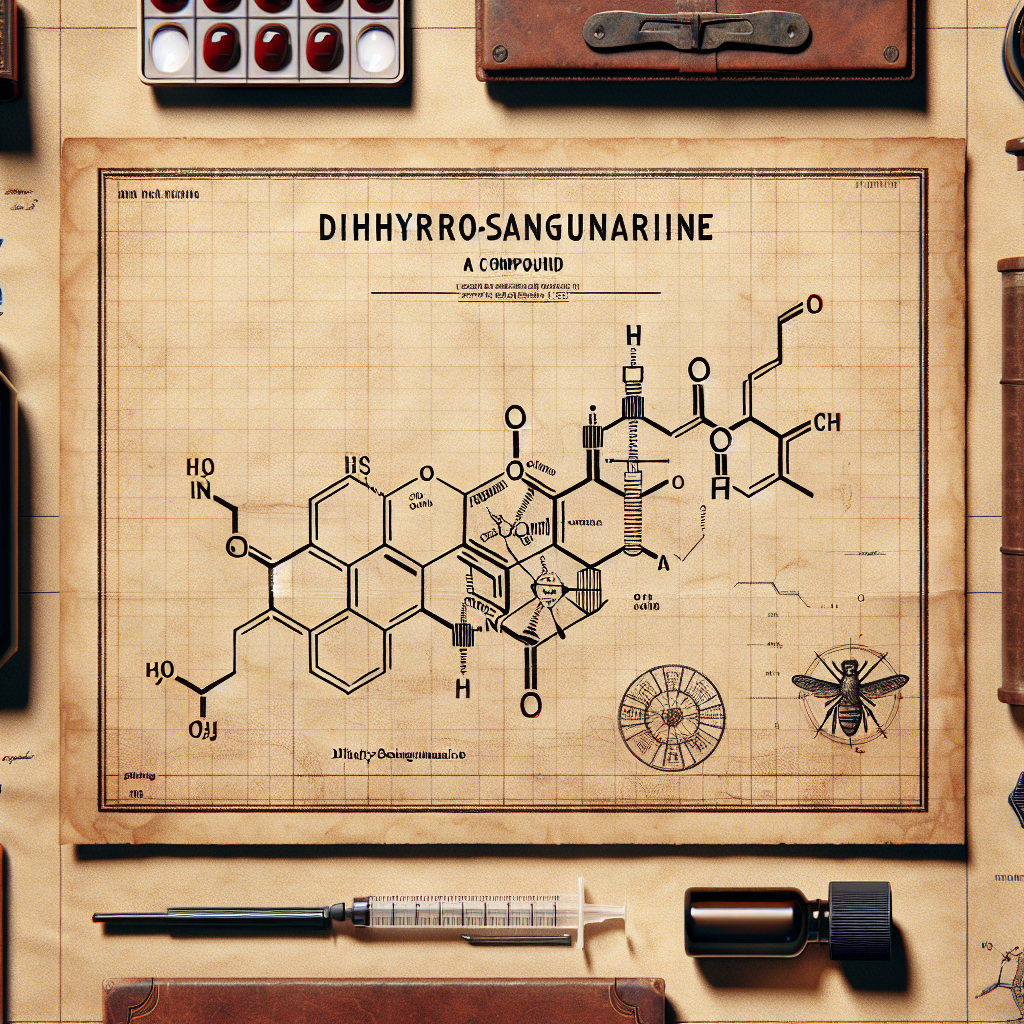
At its core, dihydrosanguinarine is a derivative of sanguinarine, another intriguing plant-based compound. Both belong to a class of chemicals known as benzophenanthridine alkaloids. When the sanguinarine molecule undergoes a reduction process, losing a double bond, it transforms into dihydrosanguinarine. This transformation is significant because it alters the compound's properties, leading to unique effects that are being harnessed in various scientific studies.
Where Does It Come From?
Dihydrosanguinarine is extracted from several plant species, most notably the bloodroot (Sanguinaria canadensis), a plant native to North America. The roots of this plant have been used for centuries by indigenous peoples for medicinal purposes. Today, advanced extraction and purification methods allow scientists to study dihydrosanguinarine in greater detail, helping to unlock its potential.
Why Is It Important?
The interest in dihydrosanguinarine goes beyond mere scientific curiosity. Its potential applications are exciting and diverse, ranging from cancer research to antimicrobial properties. Let's break these down:
1. Anticancer Properties
Preliminary research indicates that dihydrosanguinarine might play a role in inhibiting tumor growth. In lab studies, it has demonstrated the ability to hinder the proliferation of certain cancer cells by inducing apoptosis, a process where cells self-destruct. This capacity to promote cell death in unwanted cells makes it a candidate for cancer therapy research.
2. Antimicrobial Effects
In an age where antibiotic resistance poses a significant threat to global health, the search for new antimicrobial agents is more crucial than ever. Dihydrosanguinarine has shown promising results against various bacterial strains, including some that are resistant to conventional antibiotics. Its mechanism of action involves disrupting bacterial cell membranes, making it difficult for bacteria to survive and multiply.
3. Agricultural Use
Beyond human health, dihydrosanguinarine is also being explored for its agricultural benefits. Its natural pesticidal properties make it a candidate for eco-friendly pest management strategies. The compound can protect crops by naturally deterring pests and diseases, potentially reducing the need for synthetic chemicals.
How Do Scientists Study It?
Researchers employ a range of methods to study dihydrosanguinarine. Isolation of the compound is the first step, typically involving extraction from plant materials followed by chromatographic purification techniques. Once isolated, scientists use tools like nuclear magnetic resonance (NMR) spectroscopy and mass spectrometry to analyze its structure and interactions at a molecular level.
Friendly Avenues of Discovery
The discovery and study of dihydrosanguinarine highlight a broader theme in science: the pursuit of understanding complex natural processes and harnessing them for human benefit. Each study that shines a light on dihydrosanguinarine's properties stems from an optimistic vision of a healthier, more sustainable world.
What’s Next for Dihydrosanguinarine?
The future holds many possibilities for dihydrosanguinarine research. Scientists are particularly keen on exploring its full range of therapeutic potential through clinical trials, advancing our understanding of its mechanisms and safety in humans. If successful, these studies could pave the way for new drugs or treatments.
Conclusion
While dihydrosanguinarine might still be in the early stages of research compared to more established compounds, its promise can't be overstated. With each new discovery, we move one step closer to leveraging nature's chemical toolbox for solving some of humanity's most pressing challenges. As an optimistic scientific community, we can look forward to more groundbreaking insights that dihydrosanguinarine might reveal, keeping us hopeful for a world where science and nature work hand in hand for a better tomorrow.