
The Enigmatic Dasymutilla Coccineohirta: Nature's Furry Enigma
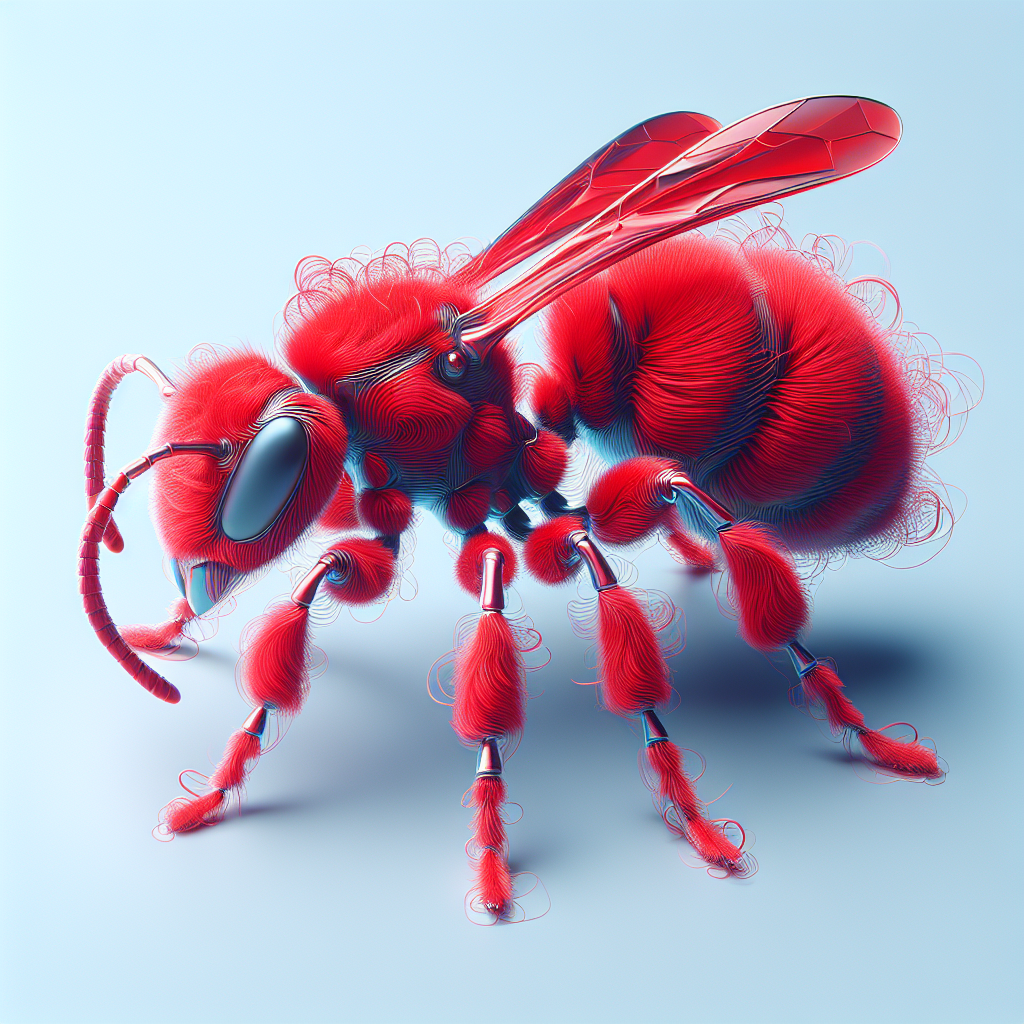
Imagine a creature that looks like a fuzzy, vibrant red ant but is actually a wasp! Meet the Dasymutilla coccineohirta, commonly known as the "velvet ant," a fascinating insect that has intrigued scientists and nature enthusiasts alike. This captivating creature belongs to the family Mutillidae and is found primarily in North America, particularly in sandy and arid regions. The velvet ant is not an ant at all but a solitary wasp, and its striking appearance and unique behaviors make it a subject of endless curiosity.
The "velvet ant" moniker comes from the dense, velvety hair that covers the female's body, giving it a distinctive and eye-catching appearance. These wasps are known for their vibrant colors, which serve as a warning to potential predators about their painful sting. The females are wingless, which adds to their ant-like appearance, while the males have wings and can fly. The Dasymutilla coccineohirta is active during the warmer months, typically from spring to late summer, when they can be seen scurrying across the ground in search of food or mates.
The reason behind the velvet ant's intriguing lifestyle is its reproductive strategy. Female velvet ants are parasitoids, meaning they lay their eggs in the nests of other insects, such as ground-nesting bees and wasps. When the velvet ant larvae hatch, they feed on the host larvae, eventually emerging as adult wasps. This parasitic behavior is a fascinating example of the complex interactions within ecosystems and highlights the velvet ant's role in maintaining ecological balance.
Despite their fearsome reputation due to their sting, velvet ants are not aggressive and will only sting if provoked. Their primary defense mechanism is their aposematic coloration, which warns predators of their potential danger. This evolutionary adaptation is a testament to the intricate ways in which organisms have evolved to survive and thrive in their environments.
The Dasymutilla coccineohirta is a remarkable example of nature's diversity and complexity. Its unique characteristics and behaviors offer valuable insights into the world of insects and the delicate balance of ecosystems. As we continue to explore and understand these fascinating creatures, we gain a deeper appreciation for the intricate tapestry of life on our planet.