
In the grand tapestry of Earth’s ecosystems, there exists a humble yet fascinating protagonist known as Cyperus phleoides. This unassuming sedge, often tucked away amid bustling wetlands and riparian zones, plays an impressive role in the natural environment. But what is it, where can it be found, and why does it deserve our attention?
Cyperus phleoides, also whimsically known as the "Timber Spike Sedge", belongs to the Cyperaceae family and is predominantly found in temperate regions across the globe, including parts of Europe and Asia. This sturdy plant thrives in moist habitats, positioning itself as a faithful steward of wetland ecosystems. Its existence dates back to when diverse flora and fauna were in nascent stages of evolution, adapting over millennia to optimize its ecological function.
A Plant with a Purpose
The first exhilarating detail about Cyperus phleoides is its role in the environment. Standing tall, albeit discreetly, this perennial plant contributes significantly to its habitat. Wetlands, as you may know, are vital—they're like the kidney of the Earth, purifying water and nurturing a range of life forms. Cyperus phleoides participates actively in this natural filtration process, aiding in the removal of pollutants and toxins from the environment. Its intricate root system traps sediments, fostering cleaner waterways.
Botanical Beauty: Understanding Its Structure
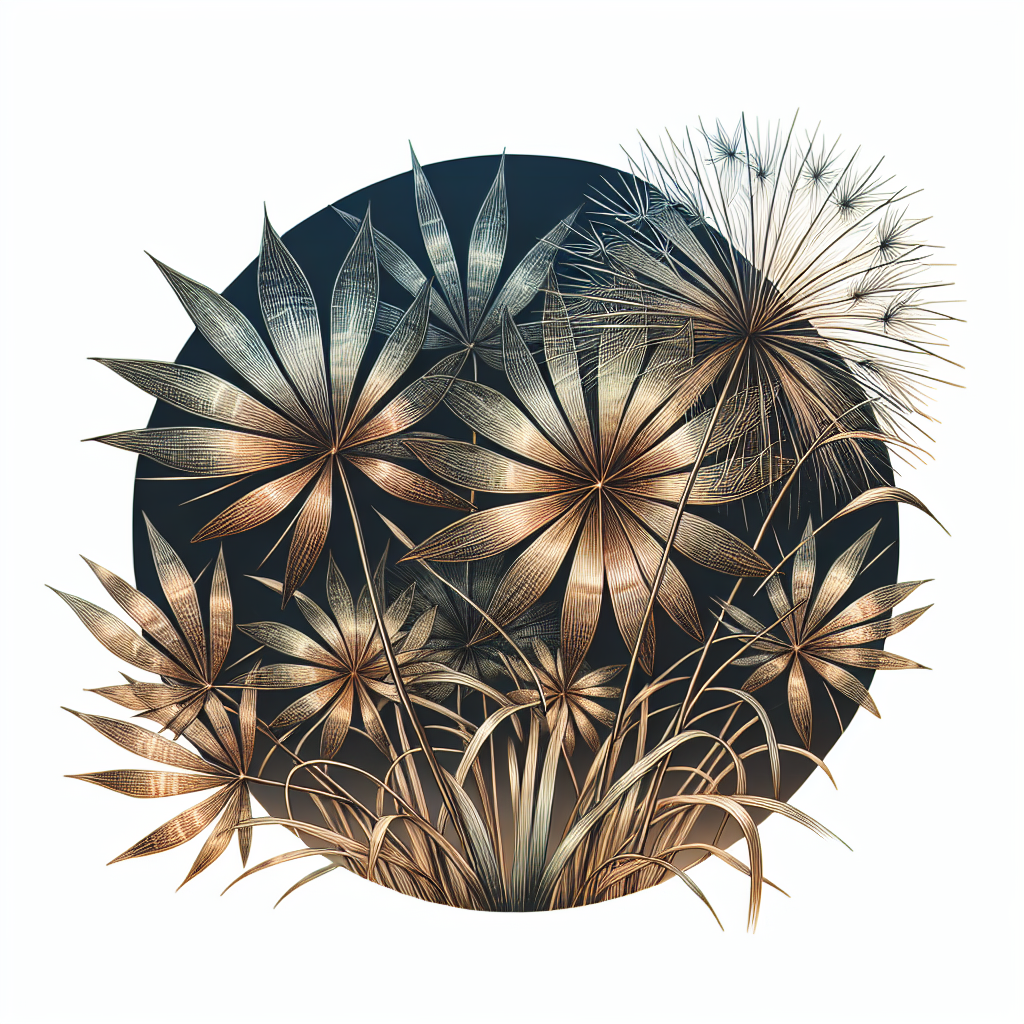
The structure of Cyperus phleoides is intriguing. Featuring slender, upright stems which can reach heights of 30-100 cm, the plant bears a subtle charm. Its linear leaves are narrow, setting the stage for the real show—the inflorescence. When in blossom, the plant produces a cluster of spikelets, giving the sedge a delicate and almost whimsical allure. These spikelets, hosting tiny, wind-pollinated flowers, are crucial for the plant's reproduction.
Warrior Against Erosion
Beyond being a natural purifier, Cyperus phleoides serves as an unsung hero in combatting soil erosion. Along the banks of rivers and lakes, where soil displacement can be disastrous, this sedge acts as a natural barrier. Its roots bind the soil, reducing erosion and providing stability to the land. This is why it is often integrated into restoration projects where ecological balance is critical.
An Ecological Connector
Wherever Cyperus phleoides is present, biodiversity tends to flourish. The plant forms partnerships with various insects and wildlife. Its seeds are a food source for certain bird species, while its foliage offers habitat and protective cover for smaller animals. Insects, such as butterflies and bees, may find shelter within its strands, illustrating the interconnectedness of life within these lush habitats.
Conservation Status and Challenges
Despite its significant ecological benefits, Cyperus phleoides faces threats related to habitat destruction and climate change. Wetlands are being drained or repurposed, often for agricultural needs, which disrupts the ecosystems and endangers plants that rely on wet conditions to survive. Protecting these habitats is vital not just for the preservation of Cyperus phleoides, but for the Earth’s biodiversity at large.
Optimistic Future: How We Can Help
To ensure a thriving future for Cyperus phleoides and its wetland compatriots, conservation initiatives are key. Efforts are being made globally to restore wetlands through rewilding projects, encouraging natural water flow patterns and reducing pollutants entering these critical zones.
On a more granular level, individuals can also contribute to the conservation cause. Supporting sustainable agricultural practices, reducing personal water waste, and advocating for wetland preservation are just a few ways to impact positively. Innovatively, researchers are exploring the use of Cyperus species in phytoremediation projects (using plants to clean contaminated soil), showcasing optimistic strides towards using nature-based solutions to human challenges.
The Human Connection to Cyperus phleoides
Interestingly, humans have utilized this plant beyond its environmental role. In some cultures, the fibrous parts of Cyperus phleoides have been used in textiles or as crafting materials, highlighting the diverse utility of this incredible plant. While not as commercially valued as timber or grains, its contributions to ecological health and cultural heritage are invaluable.
An Invitation to Learn
Exploring plants like Cyperus phleoides ignites a curiosity about the interconnectedness of our planet’s ecosystems. As we uncover the stories and functions of these plants, we gain a broader understanding and appreciation for the silent heroes of the natural world. Each plant, no matter how small or seemingly inconspicuous, holds part of the secret to a healthier planet, encouraging us to learn, protect, and marvel at the wonders of nature.