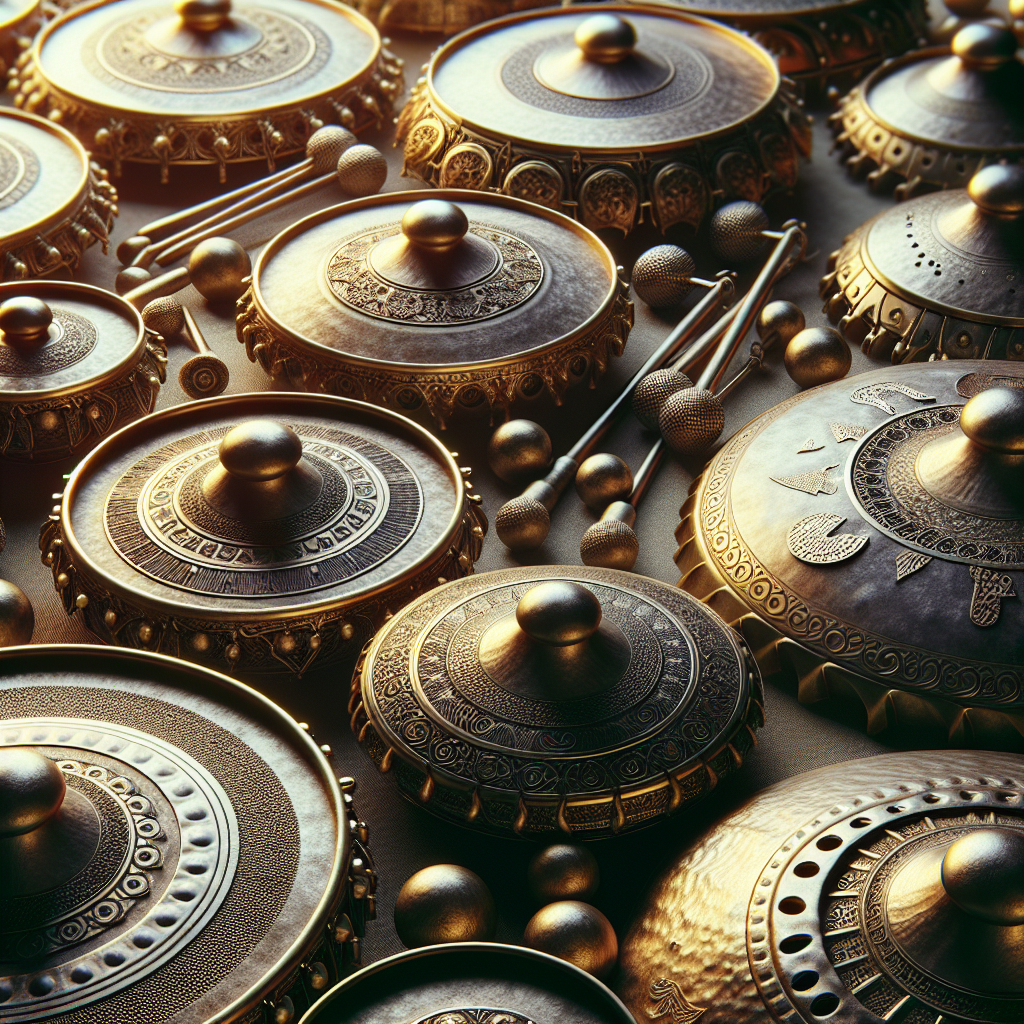

Crotales: Unlocking the Magic of Percussion!
If you've ever heard the fleeting, ethereal shimmer of metallic chimes resonating in a symphony orchestra, you might have already been enchanted by the sound of crotales. These small, shiny discs are the understated stars of the percussion section, known for their bright and big sound, despite their diminutive size. Originally derived from ancient Greek music, crotales took the musical world by storm when modern symphonic compositions began incorporating their unique sound.
What Are Crotales?
Crotales are a type of tuned percussion instrument consisting of small, bronze or brass cymbals. Each disc is precisely tuned to a specific pitch, similar to a glockenspiel, allowing them to contribute both rhythm and melody. They are usually played by striking them with a mallet, but interestingly, some musicians use a bowed technique to draw out notes, producing a sound that is hauntingly resonant.
A Historical Snapshot
The history of crotales is as fascinating as their sound. Originating in ancient Greece, they were used in religious ceremonies and as signaling devices. Over time, crotales found their way into Europe, experiencing a renaissance in the 20th century when composers like Maurice Ravel and Claude Debussy embraced them in their orchestral works. Their precise tones added new textures and timbres, enriching the sonic landscape of symphonic music.
The Scientific Symphony of Sound
What makes crotales so exceptional? It boils down to their material and construction. The bronze or brass alloy gives crotales their distinct tonal quality, with overtones that effectively extend their presence beyond what one might expect from their size. The scientific marvel here lies in their ability to produce sustained, bell-like tones that pierce through orchestral arrangements, adding a spectral dimension to music.
Embracing Innovation: How Crotales Are Used Today
In contemporary music, crotales are valued for their versatility. They have made appearances in a wide array of genres beyond classical, including jazz, pop, and even film scores. Composers and performers are continually experimenting with crotales, exploring their potential in electronic and experimental music. Not only are they used in their traditional form, but electronic simulations and innovative techniques ensure crotales continue to evolve with technology, keeping the music world on its toes.
The Modern Maestro
All around the world, musicians are embracing crotales, whether they be seasoned professionals in an orchestra or curious learners in their bedrooms. Education in percussion often includes an introduction to these instruments, captivating students with the magic of their sound. For many, the journey of learning to play crotales becomes a lifelong passion, cementing their place in both the musical and scientific communities for generations to come.
Why You Should Care About Crotales
You might be wondering: why should these small instruments fascinate us? The answer is simple yet profound. Crotales exemplify how human ingenuity turns simple materials into intricate expressions of art. They remind us of the power of sound—how a single note can evoke emotion, inspire creativity, and pave the way for innovation. In a world where we're constantly seeking new experiences, the unassuming crotales invite us to listen closely and appreciate the beauty of sound in its purest form.
So the next time you find yourself in a concert hall or even browsing through a music streaming service, keep an ear out for the gentle, celestial tones of crotales. These little cymbals carry in them the stories of ancient civilizations and the promise of future musical revolutions, sparking joy and curiosity across cultures and generations.