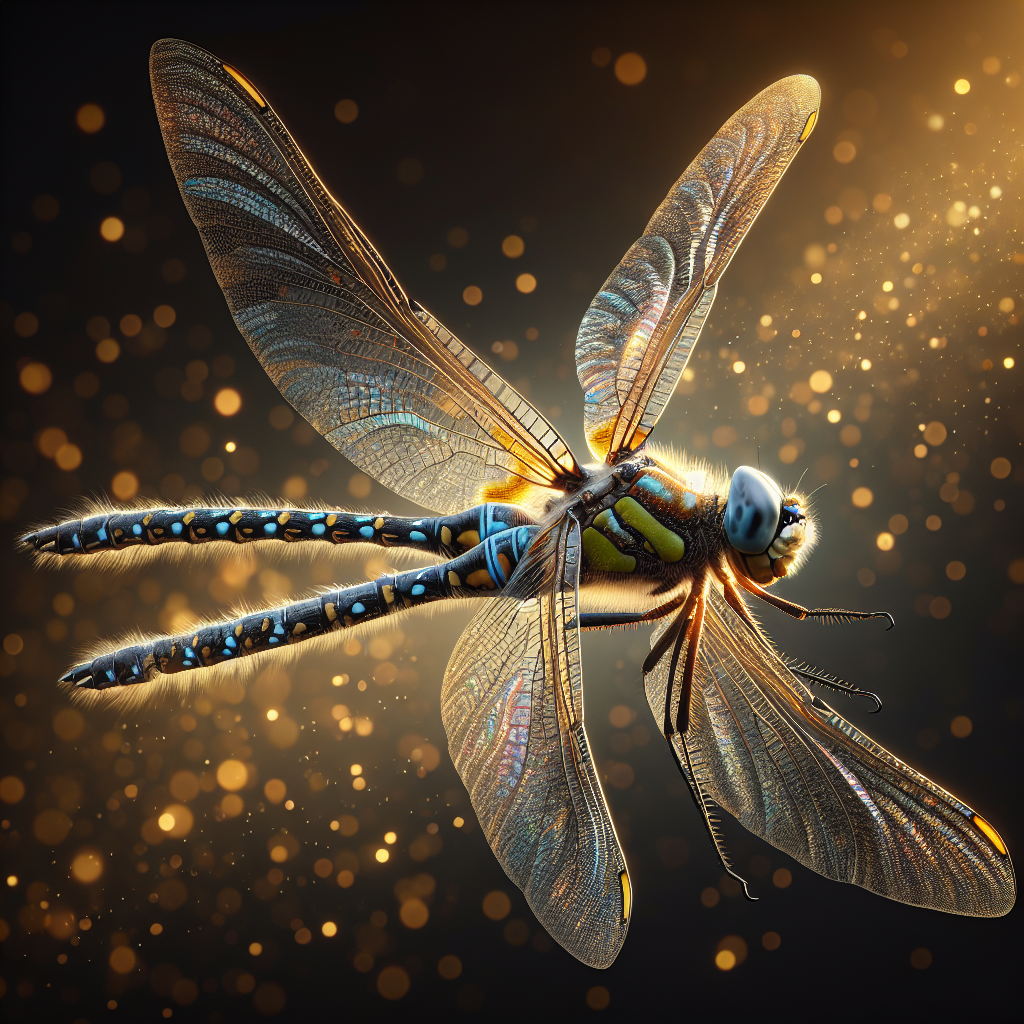

The Enigmatic Beauty in Flight: Coryphaeschna ingens
Ever caught a glint of something iridescent gliding through the summer air, only to realize it's not an alien craft but the breathtaking Coryphaeschna ingens? Known commonly as the Regal Darner, this species of dragonfly is a testament to nature's brilliance. Who wouldn't be captivated by a creature that embodies both beauty and ecological importance? Coryphaeschna ingens are widespread in the United States, especially in the southeastern regions, flitting around from late spring to early fall, fulfilling vital roles in their ecosystems.
Unraveling the Identity of the Regal Darner
Coryphaeschna ingens is a part of the Aeshnidae family, which encompasses some of the largest and most impressive dragonflies. The Regal Darner, with its strikingly marked body and expansive wingspan, is indeed a stand-out within this fascinating family. Adult males usually boast a vibrant green thorax and blue abdomen, while females can be slightly duller but equally intriguing. These dragonflies measure about 70–85mm in length, and their wings can span up to an impressive 120mm, making them one of the larger dragonfly species in North America.
The Habitat Hustle: Where Coryphaeschna ingens Calls Home
If you're eager to witness the Regal Darner in its natural habitat, venture into subtropical forests, swamps, and bodies of freshwater like ponds and slow-moving rivers. They thrive in environments rich with vegetation, which provides suitable conditions for breeding and ample hunting grounds. Alarming yet enthralling aerial acrobatics characterize these dragonflies, as they patrol their territory to ward off rivals and catch prey with remarkable precision.
Lifecycle Magic: Growing Up as a Dragonfly
Dragonflies undergo incomplete metamorphosis, which means they don't have a pupal stage. The lifecycle of the Regal Darner begins when a female deposits eggs on aquatic vegetation. These hatch into nymphs, which live underwater for a significant part of their lives - sometimes up to three years! During this nymph stage, they are formidable predators in their own right, feeding on aquatic insects and occasionally small fish.
As the cycle of seasons progresses, these nymphs prepare for a dramatic transformation. When the time is right, they climb onto a reed or stick. Their outer skin splits open as they step into their new life and transform into adults, unfurling their fresh wings in the sunlight. This metamorphosis signifies the dragonfly’s journey from an adept underwater hunter to a master aerial predator.
The Eco-Guardians: Why We Should Treasure Them
More than just winged wonders, dragonflies like Coryphaeschna ingens play crucial roles in their ecosystems. Both larvae and adults are predators, helping control the populations of pests such as mosquitoes and agricultural pests. Thus, they are invaluable allies, particularly in regions battling vector-borne diseases.
Moreover, because dragonflies require clean water bodies to thrive, their presence is a reliable bioindicator of ecological health. Spotting a Regal Darner is often a sign that the local environment is balanced and well-maintained, reminding us of the interconnectedness of life and the power we hold to influence it positively.
Embracing Their Graceful Dances
For the curious observer, the sight of a Coryphaeschna ingens can be an opportunity to embrace the simpler, purer marvels of the natural world. Its agile flight and iridescent colors invite fascination, urging us to look closer and admire the beauty in the small, often overlooked details of nature. By taking the time to learn about and appreciate these creatures, we are reminded of the delicate harmony of life and our role in it.
Encouraging Conservation Efforts
Given the significant ecological roles they play and their sensitivity to environmental changes, dragonflies like Coryphaeschna ingens spotlight the importance of conservation efforts. Protecting wetlands and other water bodies ensures that these habitats remain thriving hosts for such extraordinary species. Supporting educational programs that raise awareness about dragonflies can further inspire community-driven conservation initiatives and appreciation for biodiversity.
Concluding Thoughts: Celebration of Life's Intricacies
Coryphaeschna ingens, with its splendid beauty and ecological importance, serves as a vibrant ambassador for the diverse world of insects. Its presence is a reminder that even the smallest creatures can offer profound insights into the health of our environment and the importance of every thread in the intricate web of life. By fostering a spirit of curiosity and stewardship, we can ensure that future generations inherit a world where dragonflies continue to awe and inspire.